THE ADVENTURE COLLECTIVE® · Independent discovery and booking for outdoor travel

Ride the Mtatsminda cable car, walk Narikala's ramparts and visit Jvari and Svetitskhoveli in Mtskheta on a 5–7 hour cultural day tour. Expect city panoramas, botanical gardens, ancient churches and practical tips for navigating stairs and sun.
Ride the Mtatsminda cable car, walk Narikala's ramparts and visit Jvari and Svetitskhoveli in Mtskheta on a 5–7 hour cultural day tour. Expect city panoramas, botanical gardens, ancient churches and practical tips for navigating stairs and sun.
You step into Tbilisi as the city exhales—smoke from bakeries, tram bells, and the river pushing through its gorge. The small cable car clacks upward toward Mtatsminda, and the capital unfurls beneath you: rust-red roofs, winding streets, and the modern sweep of bridges. The botanical garden holds cooler air and pockets of exotic plants; on the hill, Narikala watches the old town like an ancient guardian.
Verified experiences and guided adventures in the surrounding area.
Operated by Georgian Paradise · Tbilisi, Tbilisi
You step into Tbilisi as the city exhales—smoke from bakeries, tram bells, and the river pushing through its gorge. The small cable car clacks upward toward Mtatsminda, and the capital unfurls beneath you: rust-red roofs, winding streets, and the modern sweep of bridges. The botanical garden holds cooler air and pockets of exotic plants; on the hill, Narikala watches the old town like an ancient guardian.
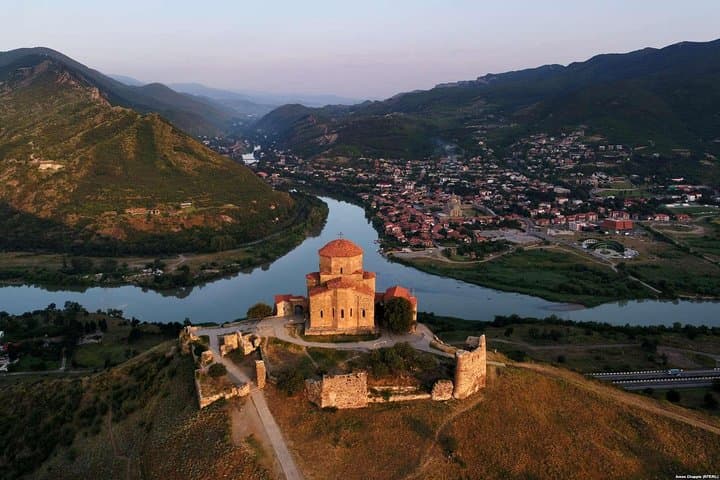
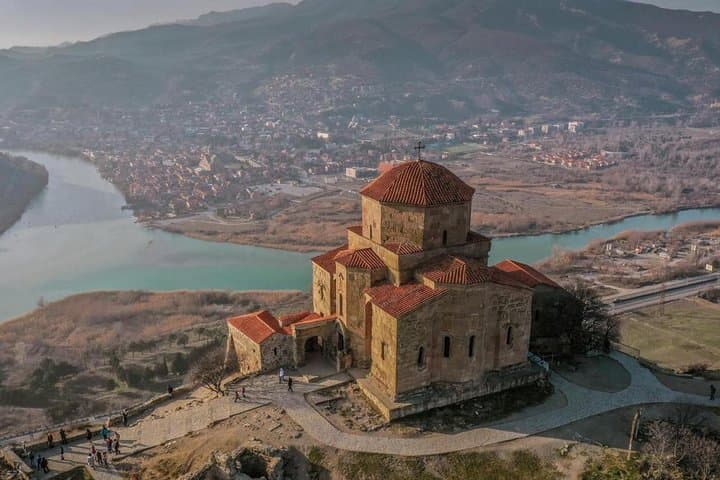
This route threads 1,500 years of Georgian history. Tbilisi grew from a 4th-century settlement perched between 380–600 meters above sea level; Narikala has roots in the same era, and Sameba (Holy Trinity Cathedral) marks the modern revival of national identity. Cross-country geology gives way to wave-like Caucasus foothills; where the Aragvi meets the Kura at Mtskheta the rivers argue over the landscape and sculpt panoramic views. Jvari monastery crowns that confluence, a compact 6th-11th century stone silhouette against the sky.
Expect a full-day, 5–7 hour excursion that mixes short walks, cable car rides, and vehicle transfers. Wear sturdy walking shoes for cobbled lanes and forts, bring layered clothing for hilltop wind, and carry water—Tbilisi's sun can be insistent. Plan photo stops at Mtatsminda overlook, wander Abanot Ubani's sulfur-scented alleys, and allow time in Mtskheta to visit Svetitskhoveli Cathedral and the riverside viewpoints.
The tour is accessible to most travelers, with light walking and several viewpoints reached by stairs or short climbs. Bring local cash for small admissions or snacks, and time your visit for morning or late afternoon light to avoid midday heat and crowds.
easy.
5–7 hours.
Light to moderate—suitable for most people who can handle several short walks and stair sections
Most departures offer pickup from central Tbilisi hotels—confirm your pickup point and time when booking.
The tour includes viewpoints and short walks; some sites have stairs and uneven terrain. Portions are accessible by vehicle but full accessibility is limited—ask the operator for specifics.
The itinerary notes some admissions included (Mtatsminda amusement park ticket); verify which specific sites are covered when you book.
Yes—Tbilisi and Mtskheta have cafes and street vendors; allow time for a local lunch and bring cash for smaller spots.
Tbilisi has been a crossroads since the 4th century; Mtskheta served as the early capital and spiritual center after Georgia adopted Christianity in the 4th century.
Historic sites and riverbanks face visitor pressure—stick to marked paths, avoid climbing fragile ruins, and use local guides who follow preservation rules.
Georgian Paradise operates guided outdoor trips and adventures with an emphasis on safety, stewardship, and memorable experiences.
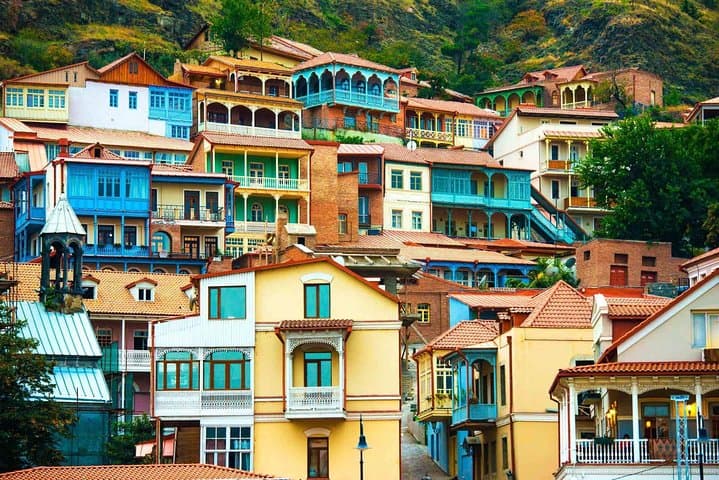
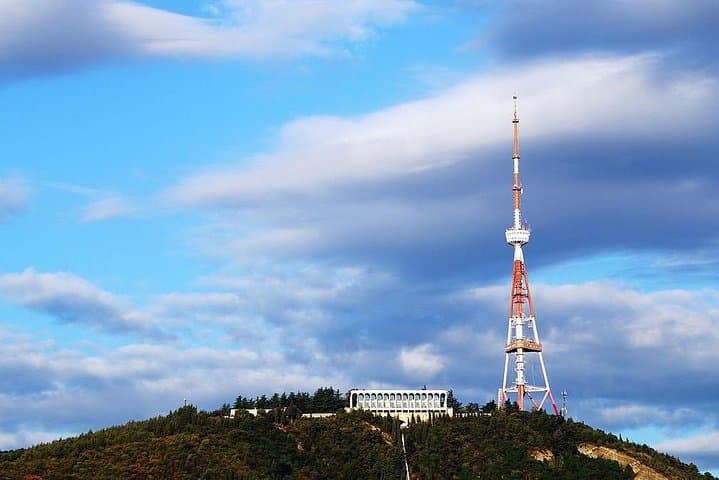
You step into Tbilisi as the city exhales—smoke from bakeries, tram bells, and the river pushing through its gorge. The small cable car clacks upward toward Mtatsminda, and the capital unfurls beneath you: rust-red roofs, winding streets, and the modern sweep of bridges. The botanical garden holds cooler air and pockets of exotic plants; on the hill, Narikala watches the old town like an ancient guardian.
You step into Tbilisi as the city exhales—smoke from bakeries, tram bells, and the river pushing through its gorge. The small cable car clacks upward toward Mtatsminda, and the capital unfurls beneath you: rust-red roofs, winding streets, and the modern sweep of bridges. The botanical garden holds cooler air and pockets of exotic plants; on the hill, Narikala watches the old town like an ancient guardian.
This route threads 1,500 years of Georgian history. Tbilisi grew from a 4th-century settlement perched between 380–600 meters above sea level; Narikala has roots in the same era, and Sameba (Holy Trinity Cathedral) marks the modern revival of national identity. Cross-country geology gives way to wave-like Caucasus foothills; where the Aragvi meets the Kura at Mtskheta the rivers argue over the landscape and sculpt panoramic views. Jvari monastery crowns that confluence, a compact 6th-11th century stone silhouette against the sky.
Expect a full-day, 5–7 hour excursion that mixes short walks, cable car rides, and vehicle transfers. Wear sturdy walking shoes for cobbled lanes and forts, bring layered clothing for hilltop wind, and carry water—Tbilisi's sun can be insistent. Plan photo stops at Mtatsminda overlook, wander Abanot Ubani's sulfur-scented alleys, and allow time in Mtskheta to visit Svetitskhoveli Cathedral and the riverside viewpoints.
The tour is accessible to most travelers, with light walking and several viewpoints reached by stairs or short climbs. Bring local cash for small admissions or snacks, and time your visit for morning or late afternoon light to avoid midday heat and crowds.