THE ADVENTURE COLLECTIVE® · Independent discovery and booking for outdoor travel

A day trip from Fez brings you through fortified Taza to the foothills of Jebel Tazzeka — a mix of old-city ramparts, limestone chasms and country markets. This vehicle-based excursion highlights natural viewpoints and local souks with short, accessible walks.
A day trip from Fez brings you through fortified Taza to the foothills of Jebel Tazzeka — a mix of old-city ramparts, limestone chasms and country markets. This vehicle-based excursion highlights natural viewpoints and local souks with short, accessible walks.
The road out of Fez climbs and widens into open foothills before the Rif and Middle Atlas begin to meet; by midmorning the white-washed houses of Taza appear behind ancient ramparts, their crenellations holding wind and memory. Visitors step off the minivan into a city of Berber origin where narrow lanes and mosque minarets give way to views over a fertile valley and the rocky spine of Jebel Tazzeka rising toward 1,980 meters.
Verified experiences and guided adventures in the surrounding area.
Operated by CHRIF TRANS & TRAVEL · Taza, Fès-Meknès
The road out of Fez climbs and widens into open foothills before the Rif and Middle Atlas begin to meet; by midmorning the white-washed houses of Taza appear behind ancient ramparts, their crenellations holding wind and memory. Visitors step off the minivan into a city of Berber origin where narrow lanes and mosque minarets give way to views over a fertile valley and the rocky spine of Jebel Tazzeka rising toward 1,980 meters.
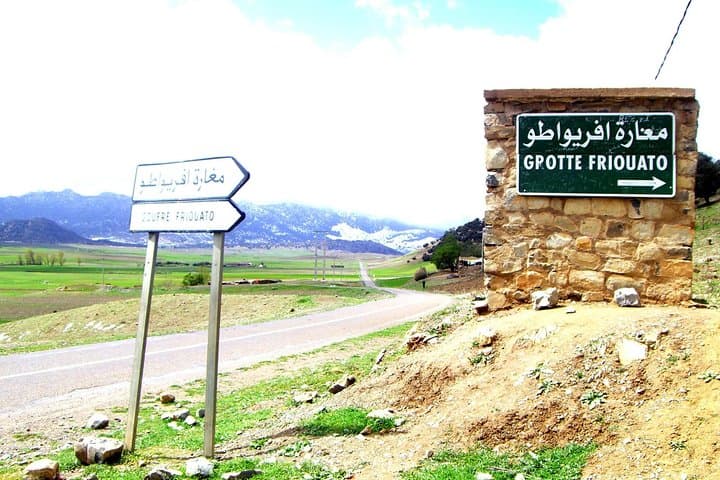
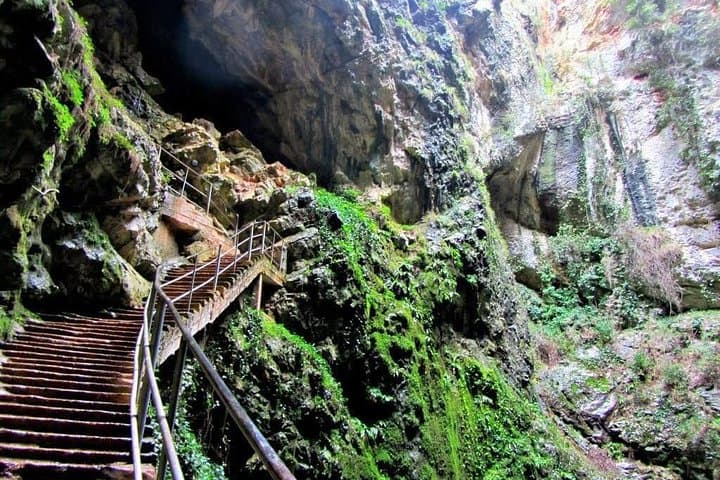
Taza grew as a strategic crossing between Morocco’s interior and the eastern routes toward Algeria; Merinid rulers reinforced its walls and built medersas that still mark the old quarter. Geologically the area sits where limestone and sandstone cliffs have been carved by rivers into chasms and waterfalls — the Ras El Oued falls and the Friaouato chasm are local highlights. Culturally, weekly souks (try market days in Oued Amlil or Sidi Abdeljelil) remain lively places to see traditional crafts, fresh produce and bartering that links mountain villages to town.
Practically, expect a full day drive from Fez (about 3–4 hours round trip within the 6–7 hour tour), a mix of short guided walks in the medina, viewpoints of Jebel Tazzeka and optional stops at natural sights. Wear sturdy shoes, bring water and sun protection, and carry small bills for purchases. The excursion is mainly vehicle-supported — the summit of Tazzeka requires a separate, longer trek — but the route offers accessible encounters with Morocco’s history, geology and rural life.
easy.
6–7 hours.
Suitable for travelers with basic mobility; mostly vehicle-supported with short on-foot sections.
Yes — the tour includes a private car and driver; confirm pickup details at booking.
This day excursion typically visits viewpoints and the natural park; a full summit climb is a separate, longer hike requiring more time and preparation.
Meals are not listed as included; there are likely local cafes and souk stalls where you can buy food, or bring snacks for the day.
The itinerary is noted as suitable for all fitness levels with short walks—however, mobility limitations that prevent stepping on uneven ground could affect access to some viewpoints.
Taza served as a key frontier town; Merinid-era walls and medersas expanded its role as a regional religious and military stop between the Rif and the interior.
Jebel Tazzeka Natural Park protects cedar and oak stands and pastoral habitats; stick to paths, avoid littering and support local businesses that follow sustainable grazing and collection practices.
CHRIF TRANS & TRAVEL operates guided outdoor trips and adventures with an emphasis on safety, stewardship, and memorable experiences.
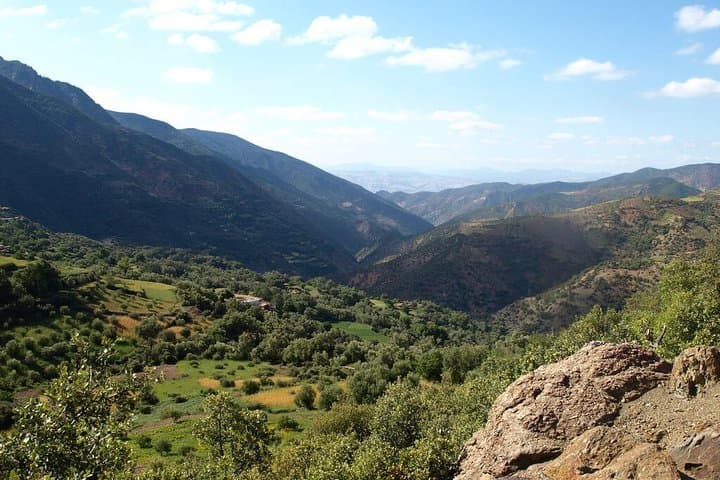
The road out of Fez climbs and widens into open foothills before the Rif and Middle Atlas begin to meet; by midmorning the white-washed houses of Taza appear behind ancient ramparts, their crenellations holding wind and memory. Visitors step off the minivan into a city of Berber origin where narrow lanes and mosque minarets give way to views over a fertile valley and the rocky spine of Jebel Tazzeka rising toward 1,980 meters.
The road out of Fez climbs and widens into open foothills before the Rif and Middle Atlas begin to meet; by midmorning the white-washed houses of Taza appear behind ancient ramparts, their crenellations holding wind and memory. Visitors step off the minivan into a city of Berber origin where narrow lanes and mosque minarets give way to views over a fertile valley and the rocky spine of Jebel Tazzeka rising toward 1,980 meters.
Taza grew as a strategic crossing between Morocco’s interior and the eastern routes toward Algeria; Merinid rulers reinforced its walls and built medersas that still mark the old quarter. Geologically the area sits where limestone and sandstone cliffs have been carved by rivers into chasms and waterfalls — the Ras El Oued falls and the Friaouato chasm are local highlights. Culturally, weekly souks (try market days in Oued Amlil or Sidi Abdeljelil) remain lively places to see traditional crafts, fresh produce and bartering that links mountain villages to town.
Practically, expect a full day drive from Fez (about 3–4 hours round trip within the 6–7 hour tour), a mix of short guided walks in the medina, viewpoints of Jebel Tazzeka and optional stops at natural sights. Wear sturdy shoes, bring water and sun protection, and carry small bills for purchases. The excursion is mainly vehicle-supported — the summit of Tazzeka requires a separate, longer trek — but the route offers accessible encounters with Morocco’s history, geology and rural life.