THE ADVENTURE COLLECTIVE® · Independent discovery and booking for outdoor travel

A full-day escape from Santa Marta to a little-known bay inside Tayrona Park: shore snorkeling, the Seven Waves viewpoint, and a typical fish lunch at a quiet beach. Ideal for travelers who want nature, culture and a relaxed pace.
A full-day escape from Santa Marta to a little-known bay inside Tayrona Park: shore snorkeling, the Seven Waves viewpoint, and a typical fish lunch at a quiet beach. Ideal for travelers who want nature, culture and a relaxed pace.
Morning light on Tayrona’s coast has a blunt clarity—the sea strips the horizon into bands of turquoise and the forest breathes humidity onto the sand. On this full-day outing from Santa Marta, the group unpacks from an air-conditioned van and slips through the Palangana entrance into a landscape that alternates between steep, vine-strewn ridges and pockets of forgotten shoreline. Playa Gairaca arrives like a reward: a small bay guarded by rocky outcrops, shallow reefs, and a hush that makes other beaches feel loud.
Verified experiences and guided adventures in the surrounding area.
Operated by Expotur · Santa Marta, Magdalena
Morning light on Tayrona’s coast has a blunt clarity—the sea strips the horizon into bands of turquoise and the forest breathes humidity onto the sand. On this full-day outing from Santa Marta, the group unpacks from an air-conditioned van and slips through the Palangana entrance into a landscape that alternates between steep, vine-strewn ridges and pockets of forgotten shoreline. Playa Gairaca arrives like a reward: a small bay guarded by rocky outcrops, shallow reefs, and a hush that makes other beaches feel loud.
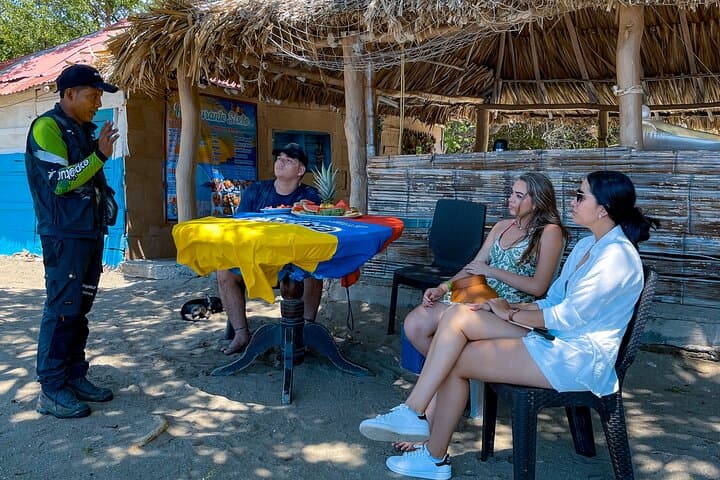
Tayrona Park is more than postcard scenery. Declared a national natural park in the late 1960s, this stretch of Colombia’s Caribbean protects coastal dry forest, mangrove fringe, and reefs that supported indigenous communities for centuries. The Kogui, Arhuaco and Wiwa peoples still hold cultural ties to these places; guides on local trips often weave short talks about indigenous history and contemporary life, grounding the beach break in human context.
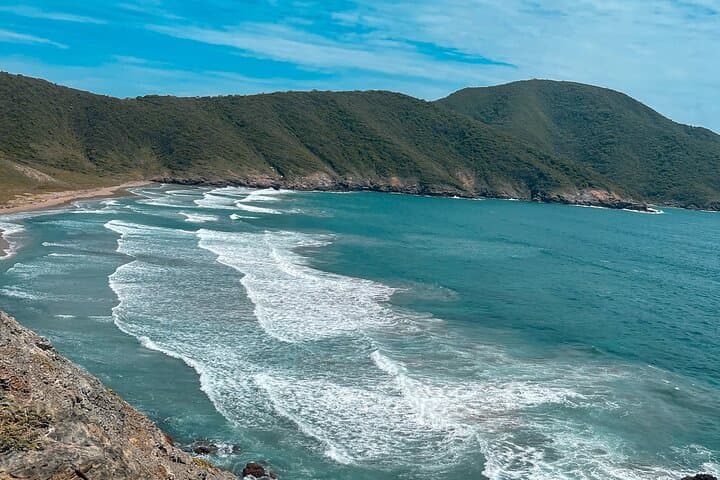
Geology here is abrupt—uplifted Sierra Nevada de Santa Marta runs into the sea, shedding cobbles and boulders that form the tidal pools and reefs that make shore snorkeling interesting. The Seven Waves viewpoint is a natural terrace of rock and surf, where the sea seems to pulse in rhythm, and from where you can watch fish shapes ghost through patch reefs.
Practical details matter: the tour provides transport, an included typical fish lunch, snacks and basic snorkeling from the shore. Expect a roughly 8-hour day that begins in town and returns by late afternoon. Water is calm enough for shallow snorkeling but currents can push you toward the rocks if you aren’t paying attention—stay conservative, keep to the reef edges, and steer clear of coral.
Plan to bring reef-safe sunscreen, a comfortable mask or snorkel if you prefer personal gear, and water shoes for the rocky approach. Timing your visit for the morning gives clearer water and cooler hikes. Respect the beach: carry out any trash, avoid stepping on coral, and listen to the local guide’s instructions—these practices keep this quieter bay quiet.
For travelers who want a low-effort half-escape with a cultural slice and a manageable snorkel, Playa Gairaca is an excellent pick: a place where the forest leans toward the sea, the waves test your attention, and a simple midday meal tastes of the region’s catch and salt air.
easy.
8 hours.
Suitable for most fitness levels; requires short walks over uneven ground and basic swimming ability for shallow snorkeling
The tour is approximately 8 hours and departs from Santa Marta at 8:00 a.m., returning around 5:00 p.m.
Basic snorkeling is part of the experience and some communal equipment may be available, but bringing a personal mask improves comfort and fit.
A typical lunch is included—usually fish—so request dietary preferences at booking; vegetarian options can often be arranged in advance.
The approach involves short walks over uneven paths and some rocky shoreline; it is rated easy and suitable for most travelers, including families with children.
Yes—currents can be present. Swim conservatively, stay near the guide, and avoid coral to prevent injury and reef damage.
Park access rules vary; this tour uses the Palangana entrance—if you plan to explore further on your own, check park regulations, entrance fees and permitted routes before heading back in.
Tayrona was established as a national natural park in the late 1960s to protect coastal forest, beaches and marine habitats and sits within territory long inhabited by indigenous groups like the Kogui and Arhuaco.
The park enforces rules to limit impact: use reef-safe products, avoid touching coral, and follow guide instructions to protect sensitive habitats.
Expotur operates guided outdoor trips and adventures with an emphasis on safety, stewardship, and memorable experiences.
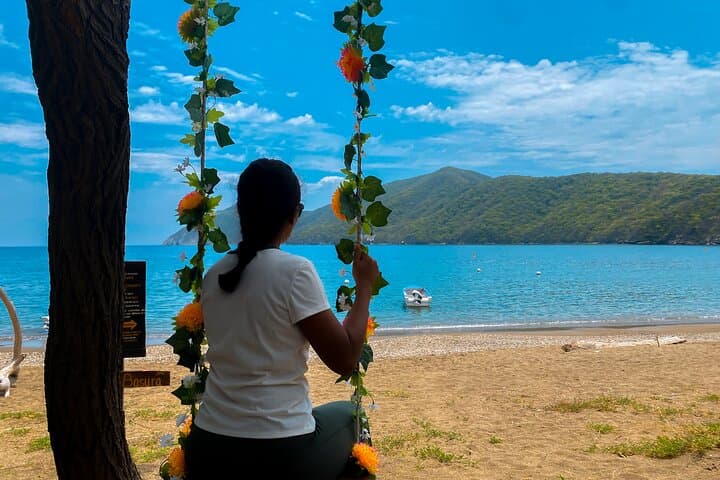
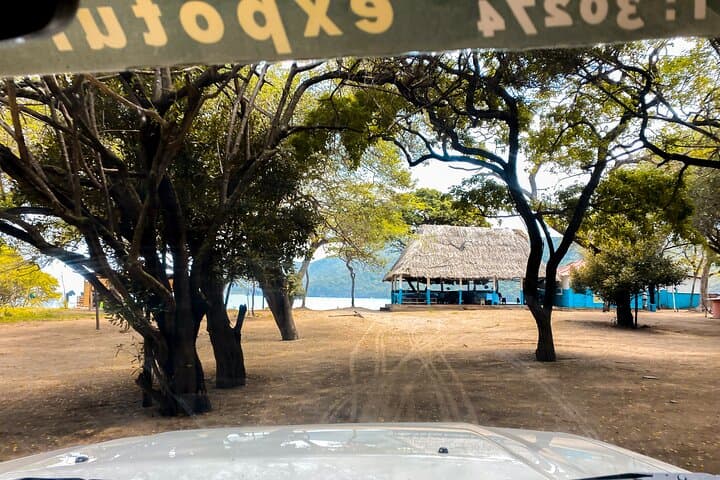
Morning light on Tayrona’s coast has a blunt clarity—the sea strips the horizon into bands of turquoise and the forest breathes humidity onto the sand. On this full-day outing from Santa Marta, the group unpacks from an air-conditioned van and slips through the Palangana entrance into a landscape that alternates between steep, vine-strewn ridges and pockets of forgotten shoreline. Playa Gairaca arrives like a reward: a small bay guarded by rocky outcrops, shallow reefs, and a hush that makes other beaches feel loud.
Morning light on Tayrona’s coast has a blunt clarity—the sea strips the horizon into bands of turquoise and the forest breathes humidity onto the sand. On this full-day outing from Santa Marta, the group unpacks from an air-conditioned van and slips through the Palangana entrance into a landscape that alternates between steep, vine-strewn ridges and pockets of forgotten shoreline. Playa Gairaca arrives like a reward: a small bay guarded by rocky outcrops, shallow reefs, and a hush that makes other beaches feel loud.
Tayrona Park is more than postcard scenery. Declared a national natural park in the late 1960s, this stretch of Colombia’s Caribbean protects coastal dry forest, mangrove fringe, and reefs that supported indigenous communities for centuries. The Kogui, Arhuaco and Wiwa peoples still hold cultural ties to these places; guides on local trips often weave short talks about indigenous history and contemporary life, grounding the beach break in human context.
Geology here is abrupt—uplifted Sierra Nevada de Santa Marta runs into the sea, shedding cobbles and boulders that form the tidal pools and reefs that make shore snorkeling interesting. The Seven Waves viewpoint is a natural terrace of rock and surf, where the sea seems to pulse in rhythm, and from where you can watch fish shapes ghost through patch reefs.
Practical details matter: the tour provides transport, an included typical fish lunch, snacks and basic snorkeling from the shore. Expect a roughly 8-hour day that begins in town and returns by late afternoon. Water is calm enough for shallow snorkeling but currents can push you toward the rocks if you aren’t paying attention—stay conservative, keep to the reef edges, and steer clear of coral.
Plan to bring reef-safe sunscreen, a comfortable mask or snorkel if you prefer personal gear, and water shoes for the rocky approach. Timing your visit for the morning gives clearer water and cooler hikes. Respect the beach: carry out any trash, avoid stepping on coral, and listen to the local guide’s instructions—these practices keep this quieter bay quiet.
For travelers who want a low-effort half-escape with a cultural slice and a manageable snorkel, Playa Gairaca is an excellent pick: a place where the forest leans toward the sea, the waves test your attention, and a simple midday meal tastes of the region’s catch and salt air.