THE ADVENTURE COLLECTIVE® · Independent discovery and booking for outdoor travel

Spend seven nights at Tawali Resort exploring Milne Bay’s prolific reefs with daily boat dives, house-reef options and 27 accessible dive sites. This compact expedition pairs WWII history, dramatic drop-offs and abundant marine life with straightforward logistics from Alotau.
Spend seven nights at Tawali Resort exploring Milne Bay’s prolific reefs with daily boat dives, house-reef options and 27 accessible dive sites. This compact expedition pairs WWII history, dramatic drop-offs and abundant marine life with straightforward logistics from Alotau.
The morning light here slices across a glassy Milne Bay and the reef rises to meet the boat like an invitation. You step from a narrow jetty at Tawali Resort and the ocean’s currents start to shape the day—warm, steady flows that push you toward walls, bommies and black-sand slopes alive with fish.
Verified experiences and guided adventures in the surrounding area.
Operated by Tawali Leisure & Dive Resort · Alotau, Milne Bay Province
The morning light here slices across a glassy Milne Bay and the reef rises to meet the boat like an invitation. You step from a narrow jetty at Tawali Resort and the ocean’s currents start to shape the day—warm, steady flows that push you toward walls, bommies and black-sand slopes alive with fish.
Milne Bay put Papua New Guinea on the world-class diving map during the 20th century; World War II relics lie on some deep slopes, while the archipelago’s volcanic geology creates steep drop-offs and sheltered bays. Local Oro-speaking villages still run subsistence fisheries nearby, and visits to community sites reveal simple craft traditions and a welcome that feels practiced and genuine.
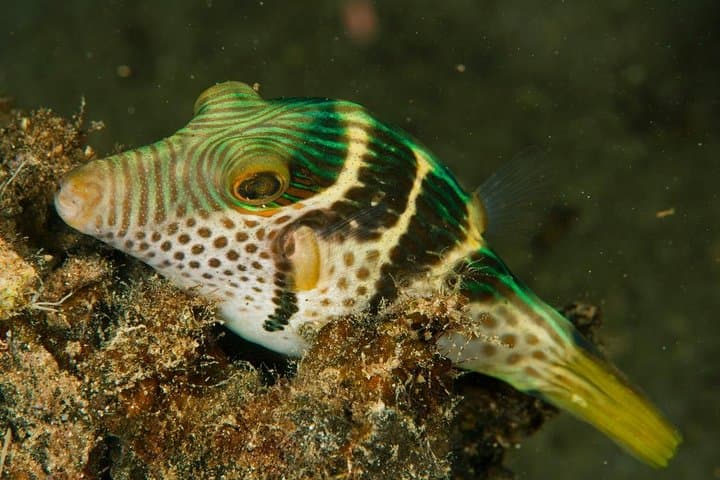
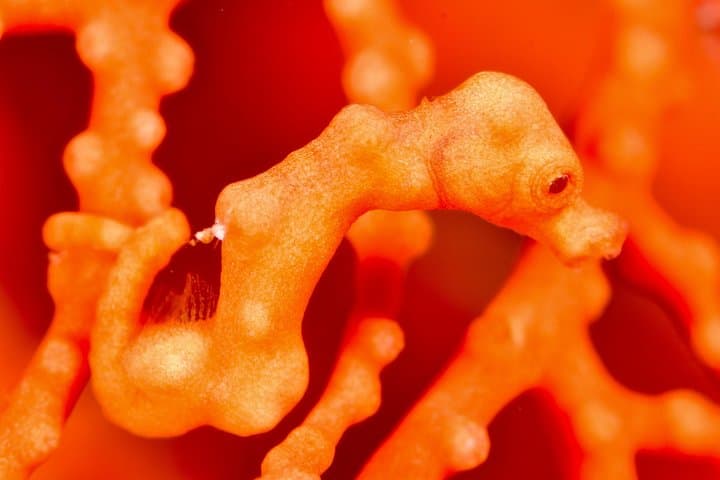
Expect 27 accessible day-dive sites and a program that includes about 15 tanks across days 2–6, plus house-reef options for an afternoon snorkel or gentle dive. Typical profiles here mix drift dives, sloping reefs and bommie gardens where pygmy seahorses, napoleon wrasse and occasional manta rays appear. Visibility commonly ranges 15–30 meters; water temperature sits around 27–30°C.
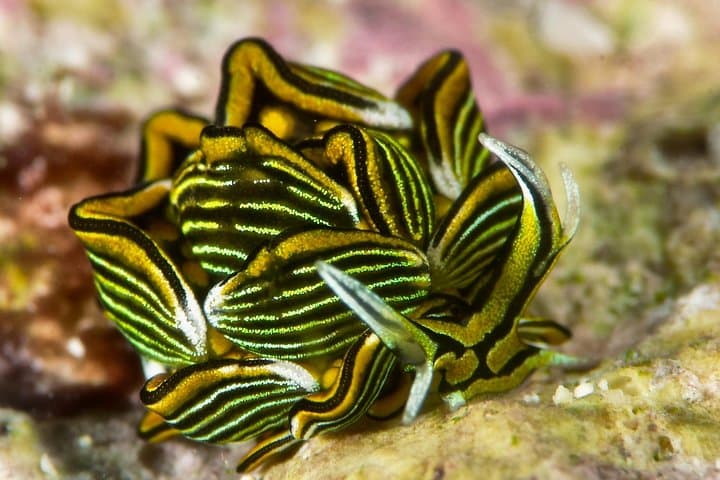
Practical notes: get to Alotau by flight from Port Moresby, plan roughly two hours transit from Alotau Airport to Tawali (road plus a short boat), and carry documentation for dive certification and medical fitness. Hydrate, use reef-safe sunscreen, and plan surface intervals—days are full but paced for safety. For photographers, a wide-angle housing and strong strobes reward the region’s vibrant macro and pelagic encounters.
This is a trip for divers who want consistent, varied sites without long boat runs—an accessible basecamp to explore Milne Bay’s rich coral gardens and blue-water passages.
moderate.
7–8 days.
Moderate fitness required—able to carry gear, complete short boat transfers, and manage multiple dives over several days.
Fly to Alotau Airport, then expect about 90 minutes by road along the Milne Bay coast followed by a short boat transfer—total transit from Alotau to Tawali is roughly 2 hours.
At minimum an Open Water certification is required; for deeper wrecks or complex drift dives, Advanced Open Water or equivalent experience is recommended.
Most resort packages include tank fills and basic weighting systems; confirm rental gear availability and pricing for regulators/BCDs in advance.
The drier months (roughly May–October) often offer the most consistent weather and visibility, though diving is possible year-round with seasonal variations.
Milne Bay saw significant WWII action and remnants of that era remain on some deeper sites; the region’s coastal communities maintain longstanding subsistence traditions.
Tawali and local operators emphasize reef-aware diving—avoid touching coral, use reef-safe products, and support community-led conservation initiatives.
Tawali Leisure & Dive Resort operates guided outdoor trips and adventures with an emphasis on safety, stewardship, and memorable experiences.
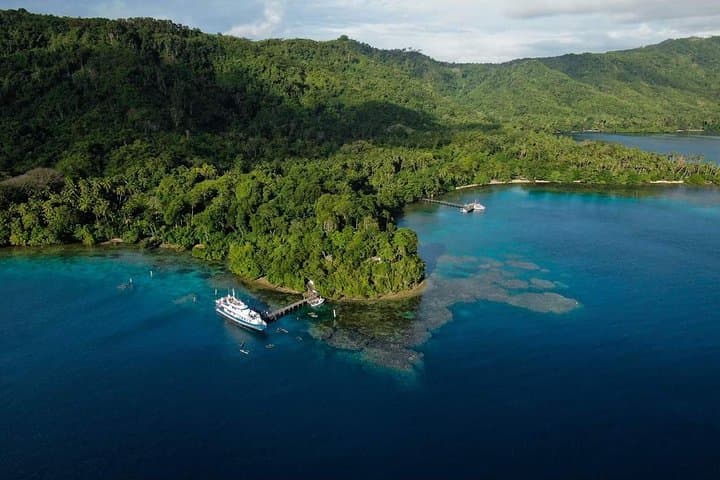
The morning light here slices across a glassy Milne Bay and the reef rises to meet the boat like an invitation. You step from a narrow jetty at Tawali Resort and the ocean’s currents start to shape the day—warm, steady flows that push you toward walls, bommies and black-sand slopes alive with fish.
The morning light here slices across a glassy Milne Bay and the reef rises to meet the boat like an invitation. You step from a narrow jetty at Tawali Resort and the ocean’s currents start to shape the day—warm, steady flows that push you toward walls, bommies and black-sand slopes alive with fish.
Milne Bay put Papua New Guinea on the world-class diving map during the 20th century; World War II relics lie on some deep slopes, while the archipelago’s volcanic geology creates steep drop-offs and sheltered bays. Local Oro-speaking villages still run subsistence fisheries nearby, and visits to community sites reveal simple craft traditions and a welcome that feels practiced and genuine.
Expect 27 accessible day-dive sites and a program that includes about 15 tanks across days 2–6, plus house-reef options for an afternoon snorkel or gentle dive. Typical profiles here mix drift dives, sloping reefs and bommie gardens where pygmy seahorses, napoleon wrasse and occasional manta rays appear. Visibility commonly ranges 15–30 meters; water temperature sits around 27–30°C.
Practical notes: get to Alotau by flight from Port Moresby, plan roughly two hours transit from Alotau Airport to Tawali (road plus a short boat), and carry documentation for dive certification and medical fitness. Hydrate, use reef-safe sunscreen, and plan surface intervals—days are full but paced for safety. For photographers, a wide-angle housing and strong strobes reward the region’s vibrant macro and pelagic encounters.
This is a trip for divers who want consistent, varied sites without long boat runs—an accessible basecamp to explore Milne Bay’s rich coral gardens and blue-water passages.