THE ADVENTURE COLLECTIVE® · Independent discovery and booking for outdoor travel

Five days of self-guided birdwatching around Tavira and the Ria Formosa puts you on the edge of saltpans, marshes and lagoon channels where flamingos, waders and migrants gather. This car-based itinerary balances easy trail walks with focused observation—ideal for birders who want flexibility and local insight.
Five days of self-guided birdwatching around Tavira and the Ria Formosa puts you on the edge of saltpans, marshes and lagoon channels where flamingos, waders and migrants gather. This car-based itinerary balances easy trail walks with focused observation—ideal for birders who want flexibility and local insight.
Salt pans glint like small inland seas as you arrive in Tavira: mudflats exposed at low tide, creeks threading the reedbeds, and flocks angling the horizon. Start mornings scanning the pans for pale necks of Greater Flamingos and evenings listening for the tippling calls of waders settling on the salt-bunds.
Verified experiences and guided adventures in the surrounding area.
Operated by BeCool Travel · Tavira, Faro District
Salt pans glint like small inland seas as you arrive in Tavira: mudflats exposed at low tide, creeks threading the reedbeds, and flocks angling the horizon. Start mornings scanning the pans for pale necks of Greater Flamingos and evenings listening for the tippling calls of waders settling on the salt-bunds.
Geology and human use shape this coast — the Ria Formosa is a barrier-lagoon system formed by wave action and longshore drift, creating islands, channels and extensive salt-marshes that have supported salt production and fishing for centuries. Tavira itself carries layers of history from Roman and Moorish eras through to its 19th-century salt economy; local villages like Santa Luzia and Castro Marim still show that working relationship with the sea.
Birdlife is the reason to come: wintering ducks and grebes, spring migrants including pratincoles and terns, and resident waders and gulls that use the saltpans as high-tide roosts. Quinta de Marim offers signposted trails and freshwater lagoons, while the eastern Sapal of Castro Marim can produce Audouin’s Gull and Collared Pratincole.
Practical edge: this is a car-based, self-guided itinerary — bring local tide charts and a map, plan high-tide visits to watch roosting waders, and expect short walks on uneven ground and boardwalks. Binoculars and a scope will pay off; mornings and late afternoons are sharpest for movement and light. Respect protected areas, park thoughtfully, and carry water and sun protection for long observation sessions.
easy.
5 days.
Suitable for most fitness levels; expect short walks (0.5–3 km) on uneven ground and some boardwalks
No — the itinerary is self-guided with maps and route descriptions provided, but local guides can be hired if you prefer expert interpretation or targeted searches.
Flamingos can be found year-round, but larger flocks and more active feeding are often visible in autumn and winter when mudflat food sources are abundant.
A small rental car (class A) is included with the package and is necessary to reach dispersed birding sites and viewpoints across the Ria Formosa.
Many observation points and signposted trails at Quinta de Marim are straightforward, but some saltpan edges and mudflat viewpoints have uneven ground—bring suitable footwear.
Tavira's coastline was shaped by centuries of salt production and fishing; many salt-pan structures and channels date from 18th–19th century operations.
Ria Formosa is a protected Natural Park; follow signage, keep to paths and avoid entering cordoned breeding areas to minimize disturbance.
BeCool Travel operates guided outdoor trips and adventures with an emphasis on safety, stewardship, and memorable experiences.


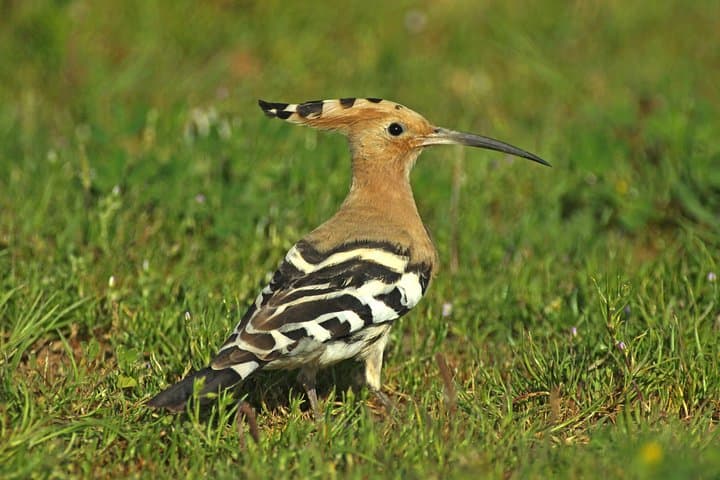
Salt pans glint like small inland seas as you arrive in Tavira: mudflats exposed at low tide, creeks threading the reedbeds, and flocks angling the horizon. Start mornings scanning the pans for pale necks of Greater Flamingos and evenings listening for the tippling calls of waders settling on the salt-bunds.
Salt pans glint like small inland seas as you arrive in Tavira: mudflats exposed at low tide, creeks threading the reedbeds, and flocks angling the horizon. Start mornings scanning the pans for pale necks of Greater Flamingos and evenings listening for the tippling calls of waders settling on the salt-bunds.
Geology and human use shape this coast — the Ria Formosa is a barrier-lagoon system formed by wave action and longshore drift, creating islands, channels and extensive salt-marshes that have supported salt production and fishing for centuries. Tavira itself carries layers of history from Roman and Moorish eras through to its 19th-century salt economy; local villages like Santa Luzia and Castro Marim still show that working relationship with the sea.
Birdlife is the reason to come: wintering ducks and grebes, spring migrants including pratincoles and terns, and resident waders and gulls that use the saltpans as high-tide roosts. Quinta de Marim offers signposted trails and freshwater lagoons, while the eastern Sapal of Castro Marim can produce Audouin’s Gull and Collared Pratincole.
Practical edge: this is a car-based, self-guided itinerary — bring local tide charts and a map, plan high-tide visits to watch roosting waders, and expect short walks on uneven ground and boardwalks. Binoculars and a scope will pay off; mornings and late afternoons are sharpest for movement and light. Respect protected areas, park thoughtfully, and carry water and sun protection for long observation sessions.