THE ADVENTURE COLLECTIVE® · Independent discovery and booking for outdoor travel

Explore Tavira and the Ria Formosa on a week of self-guided coastal and countryside walks. Expect salt pans, fishing villages, island beaches and short daily stages from 11–17 km with cultural stops and hotel-based comfort.
Explore Tavira and the Ria Formosa on a week of self-guided coastal and countryside walks. Expect salt pans, fishing villages, island beaches and short daily stages from 11–17 km with cultural stops and hotel-based comfort.
Stepping out of a narrow Tavira lane, the salt-scented air hits first — a brisk reminder that the sea and land here argue and agree, shaping paths and marshes. Fishing skiffs rock gently in channels while sunlight slides along white sand on Tavira Island; inland, orange and carob trees punctuate low hills and tile workshops leave a chalky dust on the road.
Verified experiences and guided adventures in the surrounding area.
Operated by BeCool Travel · Tavira, Faro
Stepping out of a narrow Tavira lane, the salt-scented air hits first — a brisk reminder that the sea and land here argue and agree, shaping paths and marshes. Fishing skiffs rock gently in channels while sunlight slides along white sand on Tavira Island; inland, orange and carob trees punctuate low hills and tile workshops leave a chalky dust on the road.
This region carries a layered history: Roman and Moorish influences, a centuries-old salt industry and fishing culture that still sets the town’s rhythm. Geologically the Ria Formosa is a dynamic barrier-island lagoon system; tides rearrange sandbanks and create sheltered estuaries that attract flamingos and wading birds. Cultural touches — azulejo tile makers, small family-run quinta farms and village cafés — offer a close view of Algarve life beyond the resorts.
Practical guidance is straightforward. The itinerary uses Tavira as a base with daily self-guided walks: Cacela Velha to Cabanas (~14.1 km, +65m/-66m, ~3.5 h), valley and tile-factory routes (~15 km, +146m/-282m, ~3.75 h), coastal stretches to Vila Real de Santo António (~11 km) and Tavira Island days (~17 km). Routes are low-technical but uneven in places — expect coastal sand, salt-pan boardwalks and country lanes. Maps and trip documents (EN/DE) are provided; transfers to/from Faro are included. Best months are spring and autumn for cooler temperatures and bird migration. Bring sturdy shoes, sun protection, a 20–30L daypack, and water — and leave space for seafood lunches in Santa Luzia after a day on the trail.
moderate.
7–8 days.
Moderate fitness: regular walkers who can manage daily 11–17 km stages with light elevation.
Routes are mostly on quiet lanes and coastal paths; trip documents and walking maps are provided in English or German for navigation.
Yes — transfers from Faro airport, train and bus stations to your Tavira hotel on arrival and return transfers on departure are included in the package.
Yes — the program offers extra nights and a land-only option allowing independent travel; contact the operator to arrange custom transfers if needed.
All sales are final with no refunds; the tour requires a minimum of two people and a minimum age of 18.
Tavira grew around fishing, salt production and Moorish settlement; its bridges and churches reflect a layered Iberian past.
The Ria Formosa is a protected lagoon system—stick to marked trails, avoid nesting areas and minimize single-use plastics to reduce impact.
BeCool Travel operates guided outdoor trips and adventures with an emphasis on safety, stewardship, and memorable experiences.
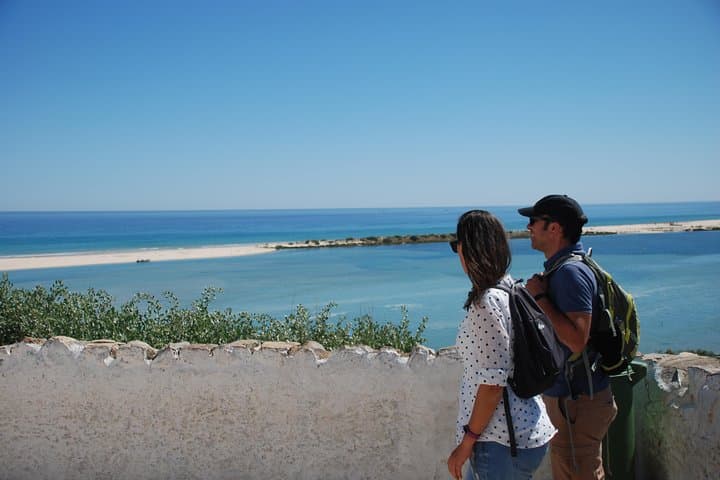
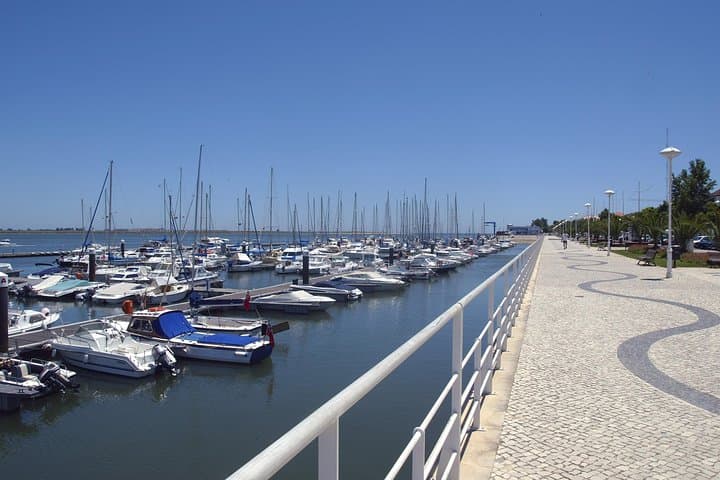
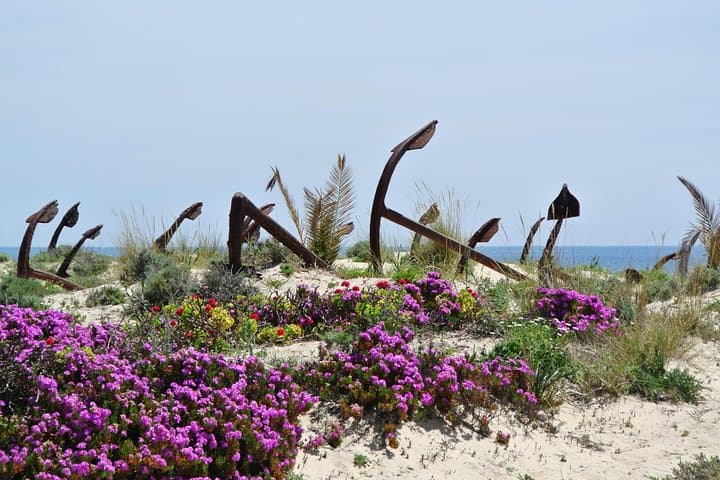
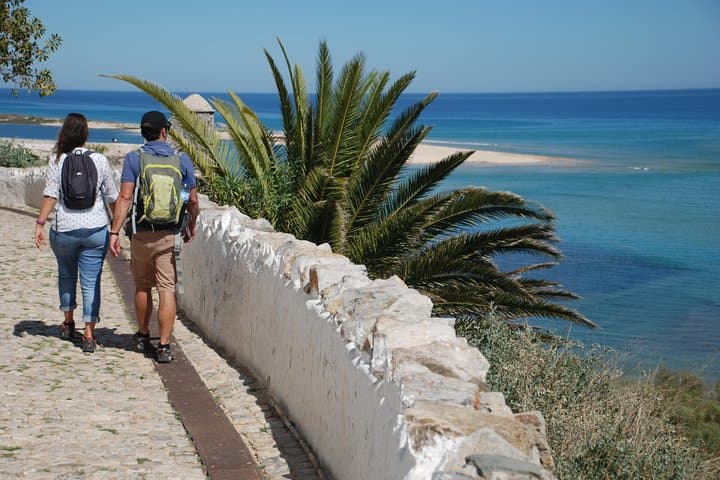
Stepping out of a narrow Tavira lane, the salt-scented air hits first — a brisk reminder that the sea and land here argue and agree, shaping paths and marshes. Fishing skiffs rock gently in channels while sunlight slides along white sand on Tavira Island; inland, orange and carob trees punctuate low hills and tile workshops leave a chalky dust on the road.
Stepping out of a narrow Tavira lane, the salt-scented air hits first — a brisk reminder that the sea and land here argue and agree, shaping paths and marshes. Fishing skiffs rock gently in channels while sunlight slides along white sand on Tavira Island; inland, orange and carob trees punctuate low hills and tile workshops leave a chalky dust on the road.
This region carries a layered history: Roman and Moorish influences, a centuries-old salt industry and fishing culture that still sets the town’s rhythm. Geologically the Ria Formosa is a dynamic barrier-island lagoon system; tides rearrange sandbanks and create sheltered estuaries that attract flamingos and wading birds. Cultural touches — azulejo tile makers, small family-run quinta farms and village cafés — offer a close view of Algarve life beyond the resorts.
Practical guidance is straightforward. The itinerary uses Tavira as a base with daily self-guided walks: Cacela Velha to Cabanas (~14.1 km, +65m/-66m, ~3.5 h), valley and tile-factory routes (~15 km, +146m/-282m, ~3.75 h), coastal stretches to Vila Real de Santo António (~11 km) and Tavira Island days (~17 km). Routes are low-technical but uneven in places — expect coastal sand, salt-pan boardwalks and country lanes. Maps and trip documents (EN/DE) are provided; transfers to/from Faro are included. Best months are spring and autumn for cooler temperatures and bird migration. Bring sturdy shoes, sun protection, a 20–30L daypack, and water — and leave space for seafood lunches in Santa Luzia after a day on the trail.