THE ADVENTURE COLLECTIVE® · Independent discovery and booking for outdoor travel

Step behind the scenes at a working Algarve olive factory to learn how olives are processed, then taste regional oils, honey, cheese and wine. Best during the September–October harvest if you want to see the press running.
Step behind the scenes at a working Algarve olive factory to learn how olives are processed, then taste regional oils, honey, cheese and wine. Best during the September–October harvest if you want to see the press running.
You step off Tavira’s cobbled street and into the low hum of machines, the air scented with fresh-pressed oil and citrus marmalade. Light from high windows sketches silver on stainless steel tanks while a guide moves the group along as if showing the inner gears of a living kitchen.
Verified experiences and guided adventures in the surrounding area.
Operated by Olive Factory · Tavira, Algarve
You step off Tavira’s cobbled street and into the low hum of machines, the air scented with fresh-pressed oil and citrus marmalade. Light from high windows sketches silver on stainless steel tanks while a guide moves the group along as if showing the inner gears of a living kitchen.
Olive growing in the Algarve stretches back to Roman and Moorish times; the plain around Tavira rests on limestone terraces that hold thin soils perfect for centuries-old groves. The region’s proximity to the Ria Formosa salt flats shaped local foodways—salt, preserved fruit and oil are practical and cultural staples here.
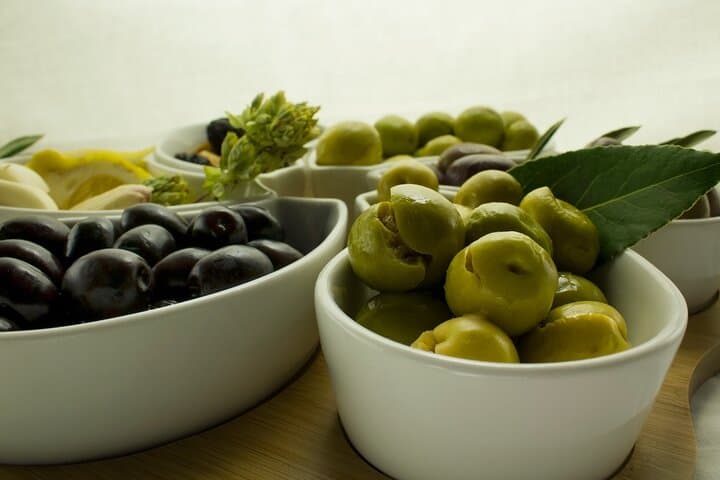
The tour combines industrial choreography with small-scale tasting: machinery, explanations about milling and the role of salt in brining, then a tasting flight of olives, extra-virgin oil, honey, cheese, orange marmalade and wine. Guides explain sensory cues—peppery finish, grassy aroma—and why certain pairings work. Production is seasonal: the press runs mainly during the September–October harvest, so you may see idle equipment in other months.
Practical guidance: the experience lasts about 90 minutes, is wheelchair accessible throughout the factory floor (toilet access limited), and fits most fitness levels. Bring sun protection for short outdoor walks to nearby groves, a reusable bottle and a small bag for any purchases. If you want the machines turning, time your visit for harvest season and book in advance—groups are limited. This is a short, sensory introduction to Algarve olive culture that pairs history, technique and taste in one compact visit.
easy.
1.5 hours.
Light activity; suitable for most visitors and families; minimal walking on flat surfaces.
The guided experience lasts approximately 90 minutes, including a tasting of oils and local products.
Not always—production depends on the harvest (typically September–October) and daily schedules, so machines may be idle outside peak season.
The factory floor and visitor route are wheelchair and stroller accessible, but the toilet is not wheelchair accessible—plan accordingly.
Yes, small-batch oils, preserves and related products are often available for purchase on-site.
Olive cultivation around Tavira dates to Roman and Moorish eras; oil and salt shaped local diets and trade for centuries.
The Ria Formosa nearby is a protected coastal lagoon—support local producers who use sustainable harvesting and avoid single-use plastics when visiting.
Olive Factory operates guided outdoor trips and adventures with an emphasis on safety, stewardship, and memorable experiences.
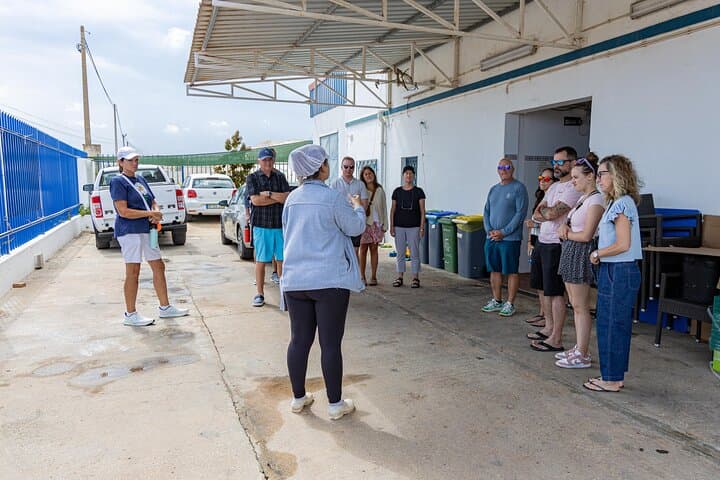
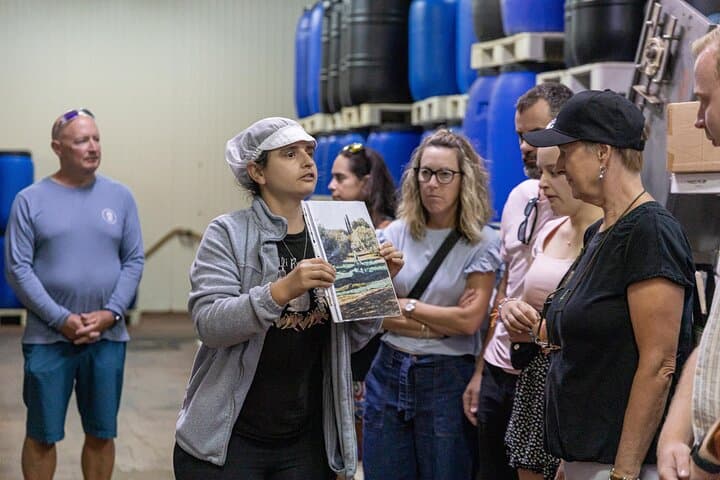
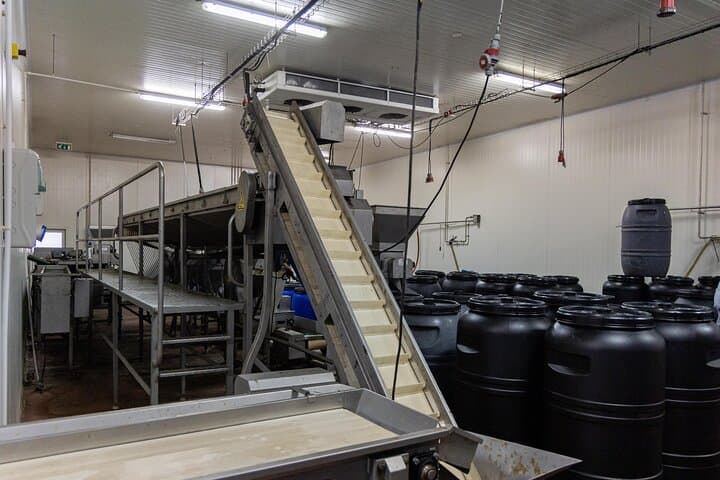
You step off Tavira’s cobbled street and into the low hum of machines, the air scented with fresh-pressed oil and citrus marmalade. Light from high windows sketches silver on stainless steel tanks while a guide moves the group along as if showing the inner gears of a living kitchen.
You step off Tavira’s cobbled street and into the low hum of machines, the air scented with fresh-pressed oil and citrus marmalade. Light from high windows sketches silver on stainless steel tanks while a guide moves the group along as if showing the inner gears of a living kitchen.
Olive growing in the Algarve stretches back to Roman and Moorish times; the plain around Tavira rests on limestone terraces that hold thin soils perfect for centuries-old groves. The region’s proximity to the Ria Formosa salt flats shaped local foodways—salt, preserved fruit and oil are practical and cultural staples here.
The tour combines industrial choreography with small-scale tasting: machinery, explanations about milling and the role of salt in brining, then a tasting flight of olives, extra-virgin oil, honey, cheese, orange marmalade and wine. Guides explain sensory cues—peppery finish, grassy aroma—and why certain pairings work. Production is seasonal: the press runs mainly during the September–October harvest, so you may see idle equipment in other months.
Practical guidance: the experience lasts about 90 minutes, is wheelchair accessible throughout the factory floor (toilet access limited), and fits most fitness levels. Bring sun protection for short outdoor walks to nearby groves, a reusable bottle and a small bag for any purchases. If you want the machines turning, time your visit for harvest season and book in advance—groups are limited. This is a short, sensory introduction to Algarve olive culture that pairs history, technique and taste in one compact visit.