THE ADVENTURE COLLECTIVE® · Independent discovery and booking for outdoor travel

A half-day hike from Taudaha to Champa Devi climbs through pine forest to a sacred summit with broad Himalayan views. Ideal for hikers seeking accessible elevation, cultural sites and birdlife without technical terrain.
A half-day hike from Taudaha to Champa Devi climbs through pine forest to a sacred summit with broad Himalayan views. Ideal for hikers seeking accessible elevation, cultural sites and birdlife without technical terrain.
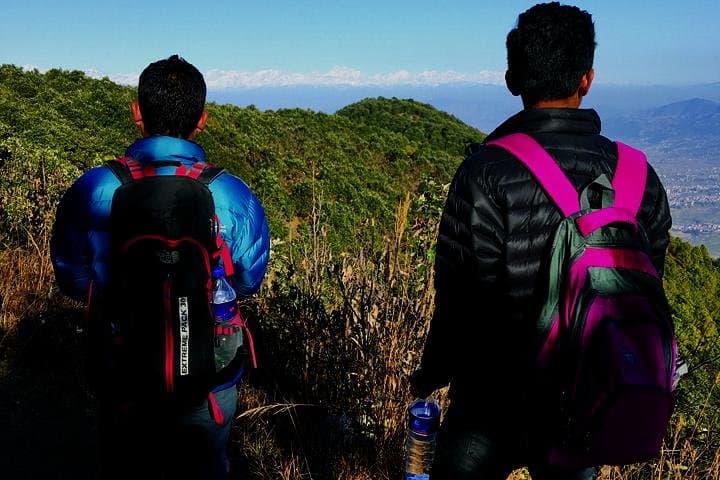
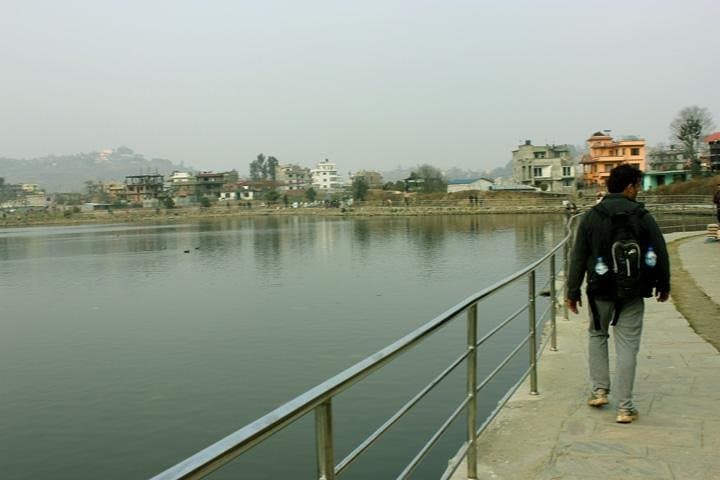
You leave the city edge and step into a ridge that breathes wind and pine—Taudaha’s small lake shrinks in the rearview as the trail climbs through a tight stand of pine, needles soft underfoot and mountain air sharpening with each switchback.
Verified experiences and guided adventures in the surrounding area.
Operated by Himalayan Advisor Pvt. Ltd. · Kathmandu, Bagmati Province
You leave the city edge and step into a ridge that breathes wind and pine—Taudaha’s small lake shrinks in the rearview as the trail climbs through a tight stand of pine, needles soft underfoot and mountain air sharpening with each switchback.
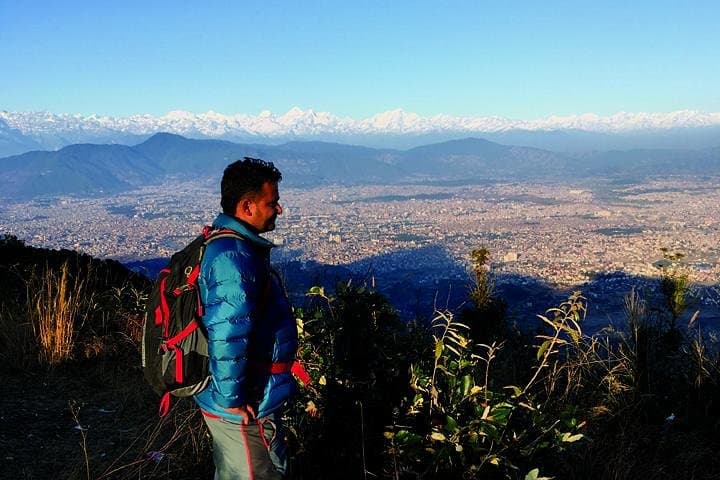
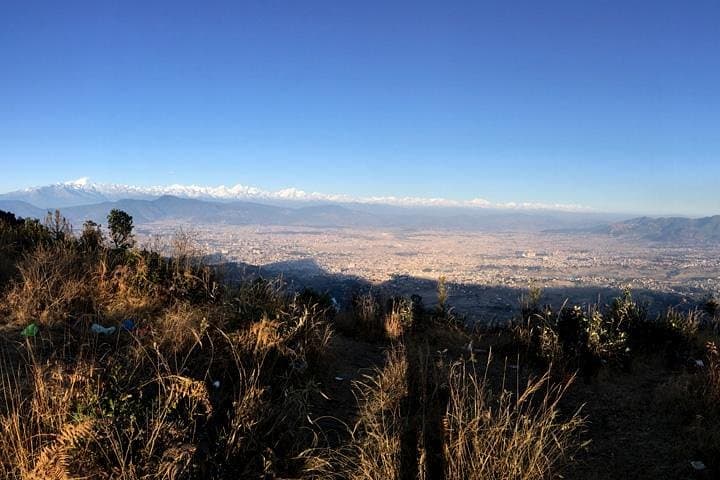
Champa Devi rises to 2,278 m and offers one of the clearer perches around Kathmandu to watch Himalayan peaks edge the horizon. Geologically the ridge is part of the uplifted rim of the Kathmandu Valley, a mix of river terraces and compacted alluvial soils that give way to open scrub and pasture near the summit. Taudaha itself is the surviving remnant of a prehistoric lake that once filled this basin; today it supports carp and waterbirds and serves as a quiet cultural waypoint.
The top hosts a small temple to the goddess Devi and is a regular pilgrimage site for both Hindus and Buddhists—monks, prayer flags and the steady rhythm of local worship punctuate the views. Nearby villages and monasteries reflect a living cultural landscape that your guide will point out on the return drive.
Practical guidance: expect a steady, non-technical climb of roughly 3–6 km one way with 500–800 m of ascent depending on route; wear sturdy footwear, carry 1–1.5 L water, and plan for sun and wind exposure at the summit. The outing commonly runs as a half- to full-day trip when combined with local temple visits; inform your guide of pace or mobility limits. Respect shrine protocols, stay on marked paths to limit erosion, and leave no trace—this trail is as much cultural terrain as natural.
moderate.
4–6 hours.
Suitable for someone who regularly walks hills and can manage sustained uphill walking for several hours; not for those with serious cardiovascular issues.
Expect 4–6 hours round-trip depending on pace and stops; typical elevation gain from Taudaha to Champa Devi is roughly 500–800 m.
The route is non-technical with steady sections of ascent; loose dirt and roots require careful footing but no climbing gear.
According to the tour inclusions, entrance fees, local taxes and private vehicle transport with hotel pickup and drop-off are included.
Spring (March–May) and autumn (September–November) offer the clearest mountain visibility and comfortable temperatures; monsoon months are wetter and winter mornings can be chilly and hazy.
Champa Devi is a traditional pilgrimage hill; Taudaha is the remaining fragment of a much larger ancient lake that once shaped local settlement patterns.
Stay on established paths to prevent erosion on steep slopes and avoid feeding wildlife; local communities rely on both tourism and agriculture, so minimize litter and plastic use.
Himalayan Advisor Pvt. Ltd. operates guided outdoor trips and adventures with an emphasis on safety, stewardship, and memorable experiences.
You leave the city edge and step into a ridge that breathes wind and pine—Taudaha’s small lake shrinks in the rearview as the trail climbs through a tight stand of pine, needles soft underfoot and mountain air sharpening with each switchback.
You leave the city edge and step into a ridge that breathes wind and pine—Taudaha’s small lake shrinks in the rearview as the trail climbs through a tight stand of pine, needles soft underfoot and mountain air sharpening with each switchback.
Champa Devi rises to 2,278 m and offers one of the clearer perches around Kathmandu to watch Himalayan peaks edge the horizon. Geologically the ridge is part of the uplifted rim of the Kathmandu Valley, a mix of river terraces and compacted alluvial soils that give way to open scrub and pasture near the summit. Taudaha itself is the surviving remnant of a prehistoric lake that once filled this basin; today it supports carp and waterbirds and serves as a quiet cultural waypoint.
The top hosts a small temple to the goddess Devi and is a regular pilgrimage site for both Hindus and Buddhists—monks, prayer flags and the steady rhythm of local worship punctuate the views. Nearby villages and monasteries reflect a living cultural landscape that your guide will point out on the return drive.
Practical guidance: expect a steady, non-technical climb of roughly 3–6 km one way with 500–800 m of ascent depending on route; wear sturdy footwear, carry 1–1.5 L water, and plan for sun and wind exposure at the summit. The outing commonly runs as a half- to full-day trip when combined with local temple visits; inform your guide of pace or mobility limits. Respect shrine protocols, stay on marked paths to limit erosion, and leave no trace—this trail is as much cultural terrain as natural.