THE ADVENTURE COLLECTIVE® · Independent discovery and booking for outdoor travel

Experience a tattoo-friendly sento in Tokyo with an English-speaking guide. Learn proper bathing etiquette, enjoy a retro community bath, and get neighborhood tips for the rest of your day.
Experience a tattoo-friendly sento in Tokyo with an English-speaking guide. Learn proper bathing etiquette, enjoy a retro community bath, and get neighborhood tips for the rest of your day.
Walk down a narrow side street where neon gives way to a low wooden sign and a steam-slicked doorway. Inside, hot water waits like a slow, steady hand — not confrontational, but insistent — inviting you to slow your pace. This guided, tattoo-friendly sento in central Tokyo offers a retro public-bath ritual favored by locals: bench-side changing rooms, tiled murals, and communal tubs where the water carries the city’s warmth.
Verified experiences and guided adventures in the surrounding area.
Operated by EPIC JAPAN EXPERIENCES · Tokyo, Tokyo
Walk down a narrow side street where neon gives way to a low wooden sign and a steam-slicked doorway. Inside, hot water waits like a slow, steady hand — not confrontational, but insistent — inviting you to slow your pace. This guided, tattoo-friendly sento in central Tokyo offers a retro public-bath ritual favored by locals: bench-side changing rooms, tiled murals, and communal tubs where the water carries the city’s warmth.
Public bathing in Japan has roots in the Edo period, when sento were neighborhood hubs for hygiene and conversation. Unlike onsen, which are fed by geothermal springs, Tokyo’s sento are typically heated municipal or well water, though many boast mineral blends and decades of maintenance that regulars swear by. Expect etiquette guidance in English: wash thoroughly before entering the communal baths, keep towels out of the water, and move with quiet respect. The guide supplies towels, soap, and clear instruction so first-timers can relax without guessing.
Practicalities matter: plan for a 60–120 minute visit, arrive via nearby train station, and leave metal jewelry or wet electronics in the lockers. Water temperatures can be hotter than expected; limit immersion if you feel lightheaded, sip water between soaks, and avoid bathing after heavy drinking. The atmosphere rewards attentiveness — observe how conversation softens at the edge of the tub and how rituals fold easily into a city day.
After the soak, the guide can recommend low-key neighborhood snacks and tucked-away streets to explore, making this more than a bath: it’s a compact cultural exchange that refreshes both body and travel rhythm.
easy.
1–2 hours.
Suitable for all fitness levels; requires basic mobility to use stairs and change rooms.
Yes — this experience visits a tattoo-friendly sento where visible tattoos are accepted; staff and guide will confirm local norms on arrival.
No — Japanese public baths require bathing nude; modesty towels are used to cover yourself outside the water, but not while bathing.
Yes — an English-speaking guide explains bathing etiquette, provides towels and toiletries, and escorts guests through each step.
Start with 3–5 minutes and gauge your comfort; typical visits include multiple short soaks with breaks, totaling 60–120 minutes.
Sento emerged as communal bathing houses in the Edo period and grew into neighborhood social centers; many retain classic tiled interiors and mural art.
Guests are asked to conserve water by pre-washing and using provided toiletries; respectful behavior keeps delicate tiled baths in service for generations.
EPIC JAPAN EXPERIENCES operates guided outdoor trips and adventures with an emphasis on safety, stewardship, and memorable experiences.
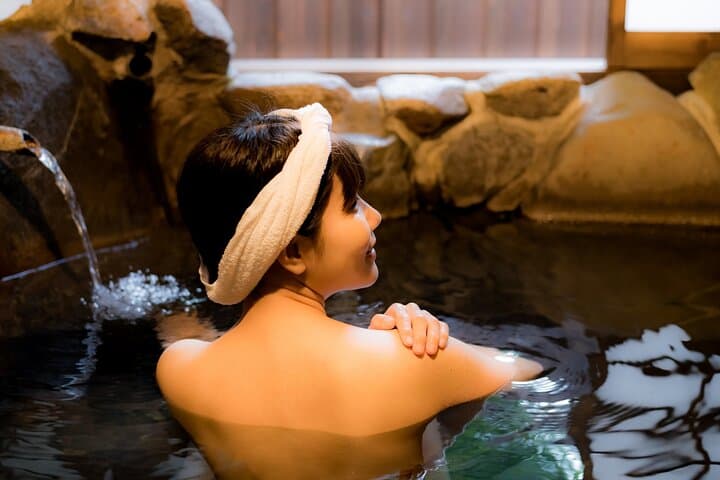
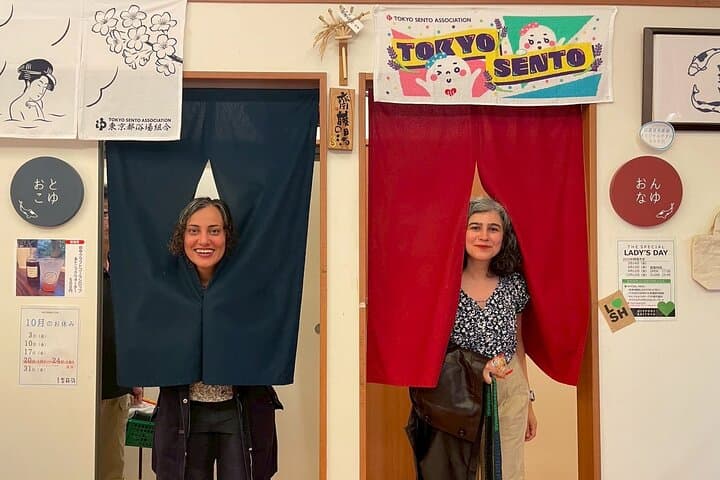
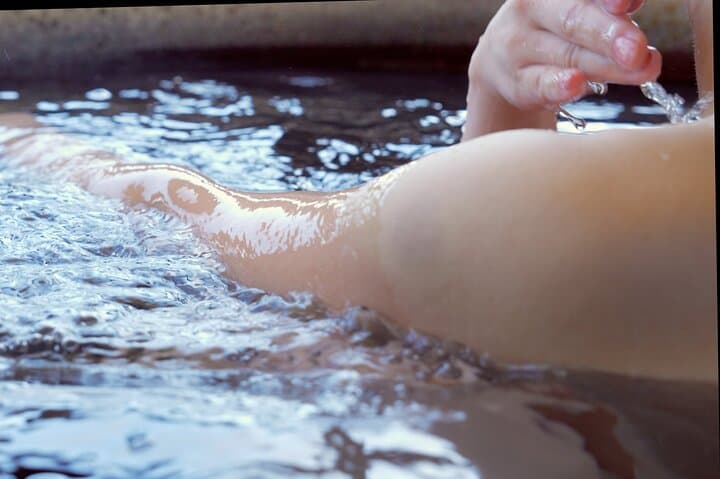
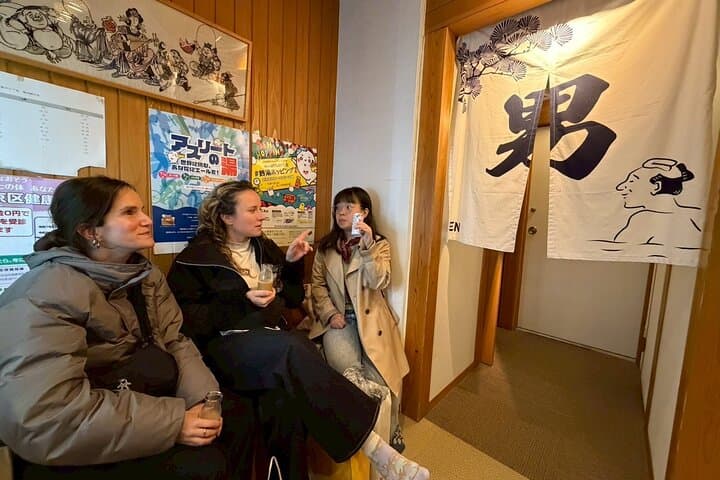
Walk down a narrow side street where neon gives way to a low wooden sign and a steam-slicked doorway. Inside, hot water waits like a slow, steady hand — not confrontational, but insistent — inviting you to slow your pace. This guided, tattoo-friendly sento in central Tokyo offers a retro public-bath ritual favored by locals: bench-side changing rooms, tiled murals, and communal tubs where the water carries the city’s warmth.
Walk down a narrow side street where neon gives way to a low wooden sign and a steam-slicked doorway. Inside, hot water waits like a slow, steady hand — not confrontational, but insistent — inviting you to slow your pace. This guided, tattoo-friendly sento in central Tokyo offers a retro public-bath ritual favored by locals: bench-side changing rooms, tiled murals, and communal tubs where the water carries the city’s warmth.
Public bathing in Japan has roots in the Edo period, when sento were neighborhood hubs for hygiene and conversation. Unlike onsen, which are fed by geothermal springs, Tokyo’s sento are typically heated municipal or well water, though many boast mineral blends and decades of maintenance that regulars swear by. Expect etiquette guidance in English: wash thoroughly before entering the communal baths, keep towels out of the water, and move with quiet respect. The guide supplies towels, soap, and clear instruction so first-timers can relax without guessing.
Practicalities matter: plan for a 60–120 minute visit, arrive via nearby train station, and leave metal jewelry or wet electronics in the lockers. Water temperatures can be hotter than expected; limit immersion if you feel lightheaded, sip water between soaks, and avoid bathing after heavy drinking. The atmosphere rewards attentiveness — observe how conversation softens at the edge of the tub and how rituals fold easily into a city day.
After the soak, the guide can recommend low-key neighborhood snacks and tucked-away streets to explore, making this more than a bath: it’s a compact cultural exchange that refreshes both body and travel rhythm.