THE ADVENTURE COLLECTIVE® · Independent discovery and booking for outdoor travel

Explore Tate Modern with a small-group guide and make sense of 20th‑century masterpieces in a converted power station. This focused two‑hour tour highlights key works and architectural touches while offering practical tips for getting the most from your visit.
Explore Tate Modern with a small-group guide and make sense of 20th‑century masterpieces in a converted power station. This focused two‑hour tour highlights key works and architectural touches while offering practical tips for getting the most from your visit.
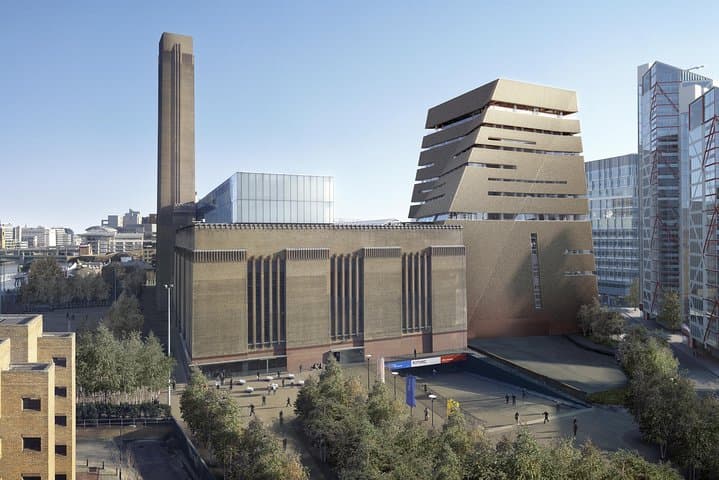
You step off the South Bank and the Thames nudges the pavement as the former Bankside Power Station rises ahead—raw brick and industrial scale softened by light pouring through the Turbine Hall. Inside, concrete banks and vast volumes amplify sculpture and sound; your guide threads stories and dates between the canvases, letting you feel the scale of 20th‑century experimentation rather than just scanning labels.
Verified experiences and guided adventures in the surrounding area.
Operated by Babylon Tours London · London, England
You step off the South Bank and the Thames nudges the pavement as the former Bankside Power Station rises ahead—raw brick and industrial scale softened by light pouring through the Turbine Hall. Inside, concrete banks and vast volumes amplify sculpture and sound; your guide threads stories and dates between the canvases, letting you feel the scale of 20th‑century experimentation rather than just scanning labels.
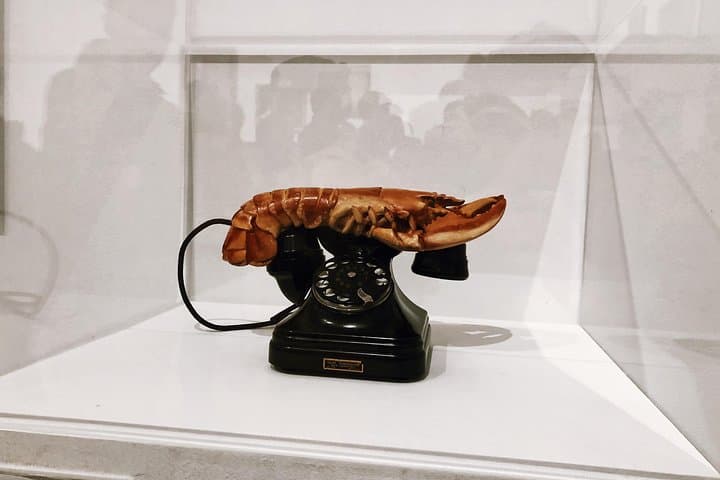
The Tate Modern occupies a converted 19th‑century power plant designed by Sir Giles Gilbert Scott, reborn as a national modern art collection in 2000 and expanded with the Blavatnik Building in 2016. The galleries trace movements from Impressionism to abstract expressionism and pop art: Monet’s studies, Mondrian’s grids, Rothko’s color fields, Duchamp’s provocation and Warhol’s celebrity commentary. The Turbine Hall still hosts large‑scale commissions that redefine how a room can behave.
Culturally, Tate Modern is a meeting place for live performance and community programming as much as for canonical works; nearby Bankside and Southbank offer independent galleries and riverside cafés to extend the visit. Practical guidance: this is a two‑hour, semi‑private walk with a maximum of eight guests—expect moderate walking, some standing, and intermittent quiet rules in specific rooms. Security limits large suitcases; bring a small bag, carry a charged phone for your booking confirmation, and plan time for the viewing level in the Blavatnik Building and the museum café. Arrive early to beat the busiest mid‑afternoon slot and leave room to wander the Thames path afterward—London’s skyline continues the conversation started inside.
easy.
2 hours.
Light walking and standing for up to two hours; patrons should have a moderate level of mobility for stairs or long gallery circuits.
The guided tour runs about two hours and is semi‑private with a maximum of eight guests per group.
No—large suitcases are not permitted through security; only handbags or small thin backpacks are accepted.
Tate Modern is largely accessible with lifts and ramps; some temporary installations or galleries may have limited access—check ahead and notify the operator of accessibility needs.
Photography rules vary by room and artwork; your guide will advise where photography is allowed and when to remain quiet or refrain from flash.
The building began life as Giles Gilbert Scott’s Bankside Power Station (1947–63) and was converted into Tate Modern, opening in 2000; the Blavatnik extension added new galleries in 2016.
Tate Modern enforces strict environmental controls to protect artworks and encourages low‑impact visits—obey signage, avoid flash photography and respect restricted areas to minimize wear on sensitive pieces.
Babylon Tours London operates guided outdoor trips and adventures with an emphasis on safety, stewardship, and memorable experiences.

You step off the South Bank and the Thames nudges the pavement as the former Bankside Power Station rises ahead—raw brick and industrial scale softened by light pouring through the Turbine Hall. Inside, concrete banks and vast volumes amplify sculpture and sound; your guide threads stories and dates between the canvases, letting you feel the scale of 20th‑century experimentation rather than just scanning labels.
You step off the South Bank and the Thames nudges the pavement as the former Bankside Power Station rises ahead—raw brick and industrial scale softened by light pouring through the Turbine Hall. Inside, concrete banks and vast volumes amplify sculpture and sound; your guide threads stories and dates between the canvases, letting you feel the scale of 20th‑century experimentation rather than just scanning labels.
The Tate Modern occupies a converted 19th‑century power plant designed by Sir Giles Gilbert Scott, reborn as a national modern art collection in 2000 and expanded with the Blavatnik Building in 2016. The galleries trace movements from Impressionism to abstract expressionism and pop art: Monet’s studies, Mondrian’s grids, Rothko’s color fields, Duchamp’s provocation and Warhol’s celebrity commentary. The Turbine Hall still hosts large‑scale commissions that redefine how a room can behave.
Culturally, Tate Modern is a meeting place for live performance and community programming as much as for canonical works; nearby Bankside and Southbank offer independent galleries and riverside cafés to extend the visit. Practical guidance: this is a two‑hour, semi‑private walk with a maximum of eight guests—expect moderate walking, some standing, and intermittent quiet rules in specific rooms. Security limits large suitcases; bring a small bag, carry a charged phone for your booking confirmation, and plan time for the viewing level in the Blavatnik Building and the museum café. Arrive early to beat the busiest mid‑afternoon slot and leave room to wander the Thames path afterward—London’s skyline continues the conversation started inside.