THE ADVENTURE COLLECTIVE® · Independent discovery and booking for outdoor travel

Explore the Tatacoa’s red canyons and gray valleys on a two-day local tour that pairs paleontology, viewpoint walks and an astronomy talk. Expect short hikes, dramatic light and a night in an ecological bamboo hut.
Explore the Tatacoa’s red canyons and gray valleys on a two-day local tour that pairs paleontology, viewpoint walks and an astronomy talk. Expect short hikes, dramatic light and a night in an ecological bamboo hut.
Dusty ochres and carved gullies open as the van leaves Villavieja behind; the Tatacoa Desert asserts itself in hard light and sharp horizons. On a two-day local experience travelers move between rust-red badlands and the cooler gray sector, learning how wind and occasional rivers shaped the gullies and spires while the sun drills long shadows into the soil.
Verified experiences and guided adventures in the surrounding area.
Operated by Tocayá Natura · Villavieja, Huila
Dusty ochres and carved gullies open as the van leaves Villavieja behind; the Tatacoa Desert asserts itself in hard light and sharp horizons. On a two-day local experience travelers move between rust-red badlands and the cooler gray sector, learning how wind and occasional rivers shaped the gullies and spires while the sun drills long shadows into the soil.
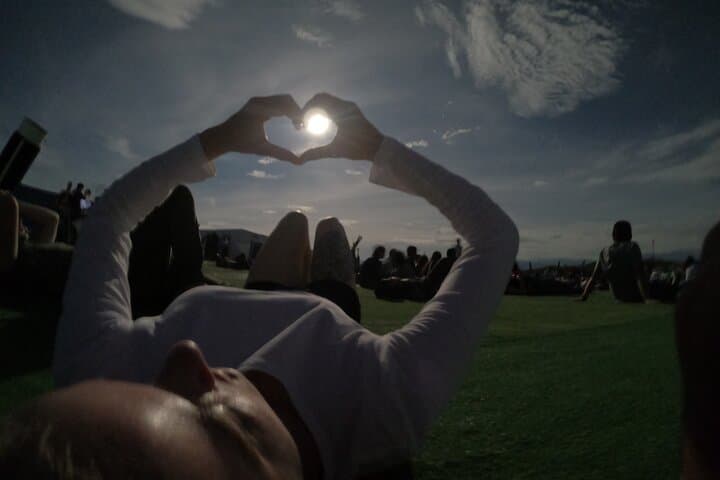
The region around Villavieja sits on uplifted Miocene formations rich in fossil beds—evidence of a landscape that was once humid and populated by mammals now only seen in museums. Local culture in Huila blends campesino life with colonial heritage; towns like Villavieja maintain small museums where 25-million-year-old fossils and agricultural traditions are displayed side by side. Geology, paleontology and astronomy come together here: the dry air and low light pollution make the Tatacoa a prime spot for stargazing, and several observatories offer guided night sessions when weather permits.
Practically, expect rough, sandy tracks and short, steep viewpoints rather than long technical trails; moderate fitness helps on uneven ground and midday heat. The tour typically includes guided viewpoint walks (Miguel, Cardón), a visit to the paleontological museum, an observatory talk, and a night in an ecological bamboo hut with a final morning walk through the gray desert and a pool stop to cool off. Bring layered sun protection, plenty of water, and a headlamp for moving after dark. Timing your visit for late afternoon viewpoints and a clear night will maximize both geology and sky-viewing—two different kinds of wide-open wonder that the Tatacoa daringly offers.
moderate.
2 days (about 8–10 hours of activity across two days).
Moderate fitness recommended: able to walk 2–5 miles over uneven, sandy terrain and climb short, steep viewpoints.
The itinerary involves short walks and viewpoint climbs over uneven terrain; a moderate fitness level is recommended but no technical skills are required.
Clear, moonless nights offer the best visibility; observatory sessions depend on weather and availability—operators may reschedule if conditions are poor.
The program includes one night in an ecological bamboo hut on a local farm—simple, local-style lodging focused on sustainability rather than luxury.
The area is generally safe; manage heat by avoiding midday exertion, carry water, and respect wildlife—most animals are small and shy, not dangerous.
The Tatacoa was a watery landscape millions of years ago; fossil beds in local museums reveal extinct mammals and offer insight into the region’s ancient climate shifts.
Visitors should stick to established paths, avoid removing fossils or rocks, and minimize water use—local operators emphasize low-impact stays to preserve fragile soils and paleontological sites.
Tocayá Natura operates guided outdoor trips and adventures with an emphasis on safety, stewardship, and memorable experiences.
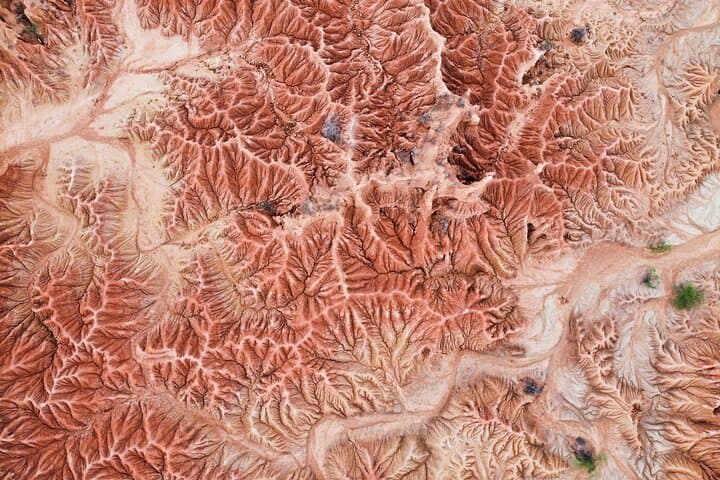
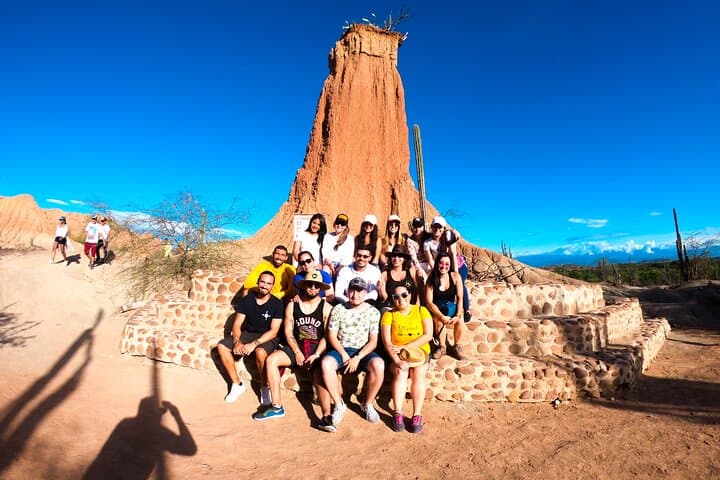
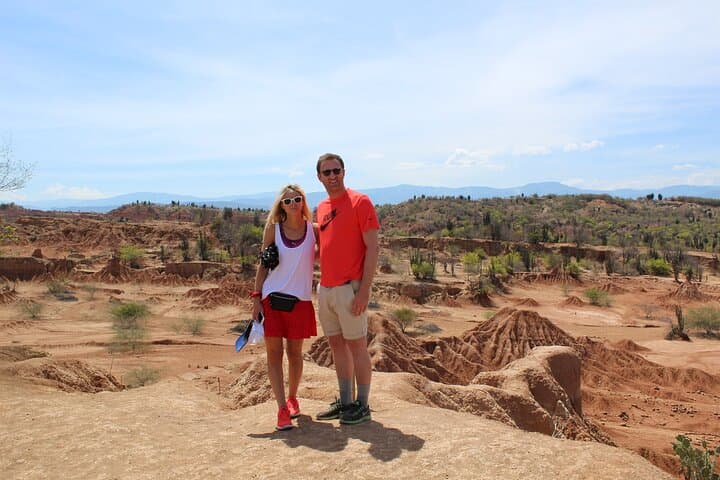
Dusty ochres and carved gullies open as the van leaves Villavieja behind; the Tatacoa Desert asserts itself in hard light and sharp horizons. On a two-day local experience travelers move between rust-red badlands and the cooler gray sector, learning how wind and occasional rivers shaped the gullies and spires while the sun drills long shadows into the soil.
Dusty ochres and carved gullies open as the van leaves Villavieja behind; the Tatacoa Desert asserts itself in hard light and sharp horizons. On a two-day local experience travelers move between rust-red badlands and the cooler gray sector, learning how wind and occasional rivers shaped the gullies and spires while the sun drills long shadows into the soil.
The region around Villavieja sits on uplifted Miocene formations rich in fossil beds—evidence of a landscape that was once humid and populated by mammals now only seen in museums. Local culture in Huila blends campesino life with colonial heritage; towns like Villavieja maintain small museums where 25-million-year-old fossils and agricultural traditions are displayed side by side. Geology, paleontology and astronomy come together here: the dry air and low light pollution make the Tatacoa a prime spot for stargazing, and several observatories offer guided night sessions when weather permits.
Practically, expect rough, sandy tracks and short, steep viewpoints rather than long technical trails; moderate fitness helps on uneven ground and midday heat. The tour typically includes guided viewpoint walks (Miguel, Cardón), a visit to the paleontological museum, an observatory talk, and a night in an ecological bamboo hut with a final morning walk through the gray desert and a pool stop to cool off. Bring layered sun protection, plenty of water, and a headlamp for moving after dark. Timing your visit for late afternoon viewpoints and a clear night will maximize both geology and sky-viewing—two different kinds of wide-open wonder that the Tatacoa daringly offers.