THE ADVENTURE COLLECTIVE® · Independent discovery and booking for outdoor travel

Walk beneath Strasbourg’s cathedral, taste tarte flambée and kougelhopf, and follow the Ill River through Petite France on a six‑hour guided food tour. Learn regional history as you sample local wines and family-run specialties.
Walk beneath Strasbourg’s cathedral, taste tarte flambée and kougelhopf, and follow the Ill River through Petite France on a six‑hour guided food tour. Learn regional history as you sample local wines and family-run specialties.
You meet under the cathedral's soaring spire while the Ill River threads through the quarter, daring you to follow its quays to hidden kitchens and bakeries. The first scent is wood-fired tarte flambée; the second, a warm kougelhopf still dusted with sugar. This six‑hour walking tour moves at a measured city-pace — a string of tastings punctuated by tight alleys, timbered façades and riverside benches.
Verified experiences and guided adventures in the surrounding area.
Operated by Strasbourg - Food Tours · Strasbourg, Grand Est
You meet under the cathedral's soaring spire while the Ill River threads through the quarter, daring you to follow its quays to hidden kitchens and bakeries. The first scent is wood-fired tarte flambée; the second, a warm kougelhopf still dusted with sugar. This six‑hour walking tour moves at a measured city-pace — a string of tastings punctuated by tight alleys, timbered façades and riverside benches.
Strasbourg sits where French and German traditions converge. The Grande Île (a UNESCO World Heritage Site) preserves medieval urban fabric while the cathedral’s pink Vosges sandstone bears the imprint of region-wide geology. Cuisine here reflects that history: hearty pork and sauerkraut notes meet refined Alsace wines and pastry craft handed down through family bakeries.
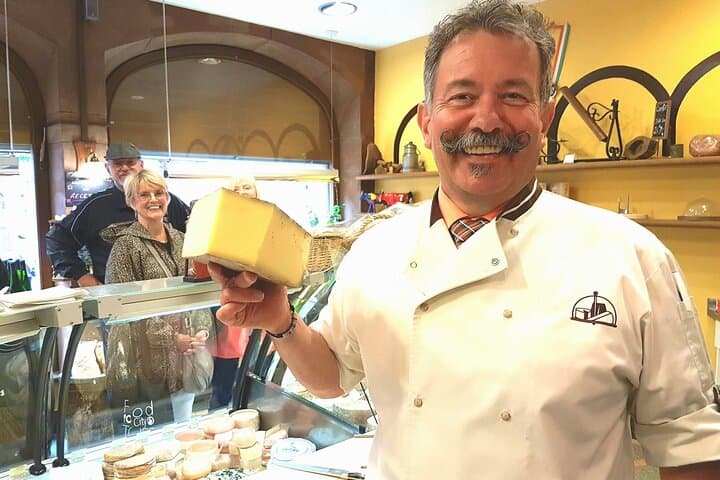
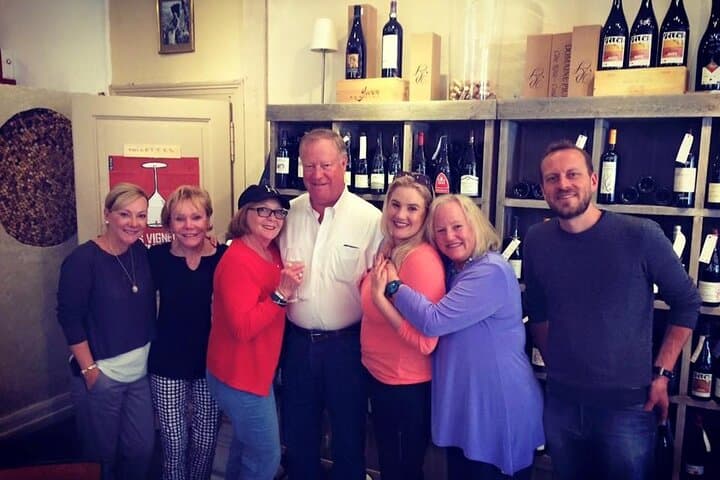
Along the route expect Petite France’s canals and former mill channels, market stalls selling Munster cheese, and winstubs (local wine taverns) where vintners pour riesling with practiced ease. Guides typically point out Maison Kammerzell and explain how trade on the Ill shaped local tastes.
Practical guidance: wear comfortable walking shoes and dress in layers — cobblestones and river breezes change the feel of a stroll. Bring a light daypack for purchases and a reusable water bottle to stay hydrated between tastings. Timing matters: midday or early evening slots capture market activity and livelier restaurants; smaller groups mean better access to family-run spots. Expect multiple small portions rather than one large meal, and keep cards plus a few euros for small vendors. This tour pairs urban history with a culinary trajectory that’s as much about place as it is about flavor.
moderate.
6 hours.
Suitable for people who can walk several miles over uneven cobbles and stand through tastings; basic stamina required.
The tour lasts about six hours and involves moderate walking across the Grande Île and Petite France on cobblestones and narrow streets.
Most guides can accommodate common dietary needs with advance notice—indicate restrictions at booking so venues can prepare alternatives.
Meeting is in front of the Tourist Information Center at 17 Place de la Cathédrale in central Strasbourg; the route typically finishes nearby on the Grande Île.
Yes—local wines and some alcoholic beverages are included, but you can opt out of alcohol and still join the food tastings.
Strasbourg’s position on the Rhine made it a trading crossroads; Grande Île preserves medieval urban planning that shaped local markets and cuisine.
Local initiatives encourage reusable containers at markets and responsible sourcing in family-run restaurants to reduce food waste and plastic.
Strasbourg - Food Tours operates guided outdoor trips and adventures with an emphasis on safety, stewardship, and memorable experiences.
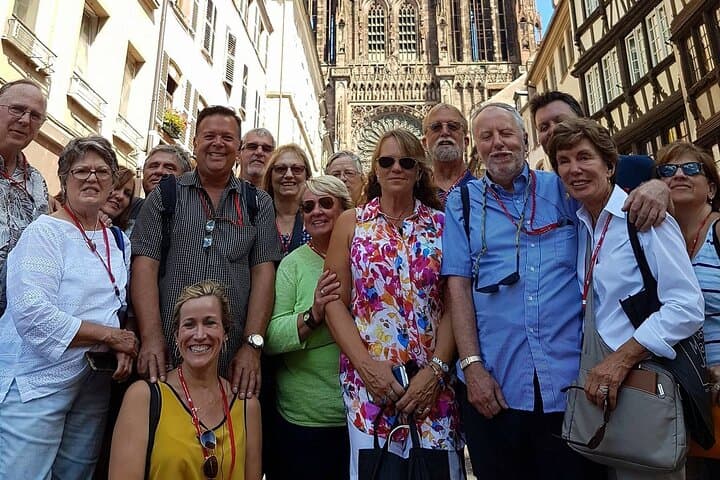
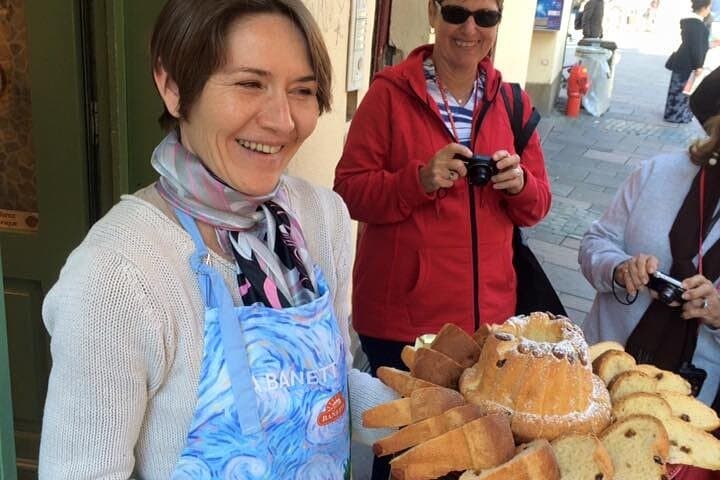
You meet under the cathedral's soaring spire while the Ill River threads through the quarter, daring you to follow its quays to hidden kitchens and bakeries. The first scent is wood-fired tarte flambée; the second, a warm kougelhopf still dusted with sugar. This six‑hour walking tour moves at a measured city-pace — a string of tastings punctuated by tight alleys, timbered façades and riverside benches.
You meet under the cathedral's soaring spire while the Ill River threads through the quarter, daring you to follow its quays to hidden kitchens and bakeries. The first scent is wood-fired tarte flambée; the second, a warm kougelhopf still dusted with sugar. This six‑hour walking tour moves at a measured city-pace — a string of tastings punctuated by tight alleys, timbered façades and riverside benches.
Strasbourg sits where French and German traditions converge. The Grande Île (a UNESCO World Heritage Site) preserves medieval urban fabric while the cathedral’s pink Vosges sandstone bears the imprint of region-wide geology. Cuisine here reflects that history: hearty pork and sauerkraut notes meet refined Alsace wines and pastry craft handed down through family bakeries.
Along the route expect Petite France’s canals and former mill channels, market stalls selling Munster cheese, and winstubs (local wine taverns) where vintners pour riesling with practiced ease. Guides typically point out Maison Kammerzell and explain how trade on the Ill shaped local tastes.
Practical guidance: wear comfortable walking shoes and dress in layers — cobblestones and river breezes change the feel of a stroll. Bring a light daypack for purchases and a reusable water bottle to stay hydrated between tastings. Timing matters: midday or early evening slots capture market activity and livelier restaurants; smaller groups mean better access to family-run spots. Expect multiple small portions rather than one large meal, and keep cards plus a few euros for small vendors. This tour pairs urban history with a culinary trajectory that’s as much about place as it is about flavor.