THE ADVENTURE COLLECTIVE® · Independent discovery and booking for outdoor travel

Spend two hours with an experienced coach at Widemouth Bay learning the basics of surfing in small groups. This taster session focuses on safety, pop-up technique, and catching your first green waves on Cornwall’s north coast.
Spend two hours with an experienced coach at Widemouth Bay learning the basics of surfing in small groups. This taster session focuses on safety, pop-up technique, and catching your first green waves on Cornwall’s north coast.
The Atlantic rolls into Widemouth Bay with a steady, approachable rhythm; salt air tugs at hair, and the wide sandy beach gives enough room to practice falling and getting back up. Participants meet on the sand, swap a few nervous jokes with their instructor, pull on supplied wetsuits, and walk to the water’s edge where a brief safety talk and warm-up loosen shoulders and knees.
Verified experiences and guided adventures in the surrounding area.
Operated by Freewave Surf Academy · Bude, Cornwall
The Atlantic rolls into Widemouth Bay with a steady, approachable rhythm; salt air tugs at hair, and the wide sandy beach gives enough room to practice falling and getting back up. Participants meet on the sand, swap a few nervous jokes with their instructor, pull on supplied wetsuits, and walk to the water’s edge where a brief safety talk and warm-up loosen shoulders and knees.
Widemouth Bay sits on north Cornwall’s rugged coast, carved from Carboniferous sandstones and shales that create broad, gently shelving sandbars ideal for beginner-friendly beach breaks. The area has a practical surf culture—local surf schools, volunteer lifeguards in summer, and a history of small-scale fishing and coastal trade that shaped Bude’s relationship with the sea.
Expect long, rolling swells on an incoming tide and punchier whitewater closer to shore; currents can be present but instructors teach positioning, paddling technique, and how to read the surf. Small-group coaching means focused feedback: pop-up technique on sand, timing your paddle, and catching shoulder-high waves by session’s end is a realistic goal.
Practical guidance: arrive 20–30 minutes early to kit up, check tide and wind (onshore winds make waves crumbly), and bring a dry change of clothes. Stay hydrated and use reef-safe sunscreen. Lessons typically run two hours and are best in calm offshore conditions for clearer, cleaner waves. Beginners should be comfortable in waist-deep surf and ready to get wet—expect laughter, bruises, and the genuine possibility of standing up on your first wave.
moderate.
2 hours.
Moderate—able to paddle, swim in surf, and do short bursts of exertion
Yes—participants should be comfortable in the water and able to swim; instructors will keep beginners in shallower, supervised conditions.
Age limits vary by operator but most taster lessons accept older children and teens able to follow instructions; check the booking for specific age bands.
Many beginners catch small green waves and stand briefly by the end of a two-hour session, but results depend on conditions and individual coordination.
Sessions can be cancelled for safety; operators typically offer full refunds if cancelled at least 24 hours prior or if conditions are unsafe.
Bude and Widemouth Bay developed as working coastlines with fishing and lime-burning industries; surfing culture there grew in the 20th century as rail travel brought visitors from cities.
Respect seasonal nesting birds and avoid marked roped areas; use reef-safe sunscreen and follow instructor guidance to minimize disturbance to beach habitats.
Freewave Surf Academy operates guided outdoor trips and adventures with an emphasis on safety, stewardship, and memorable experiences.
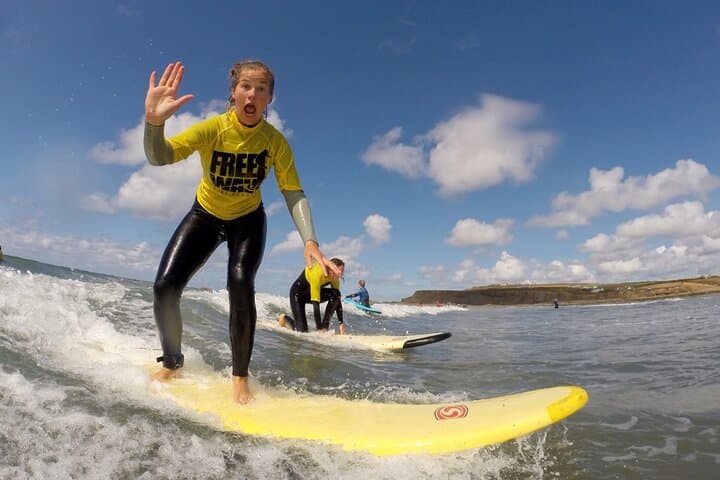
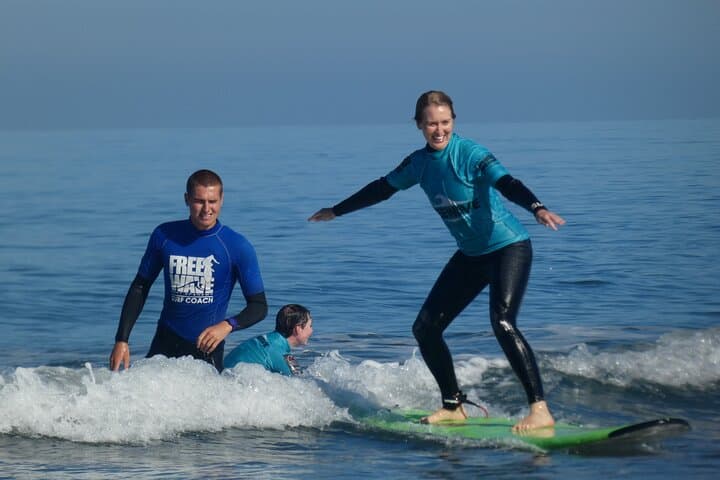
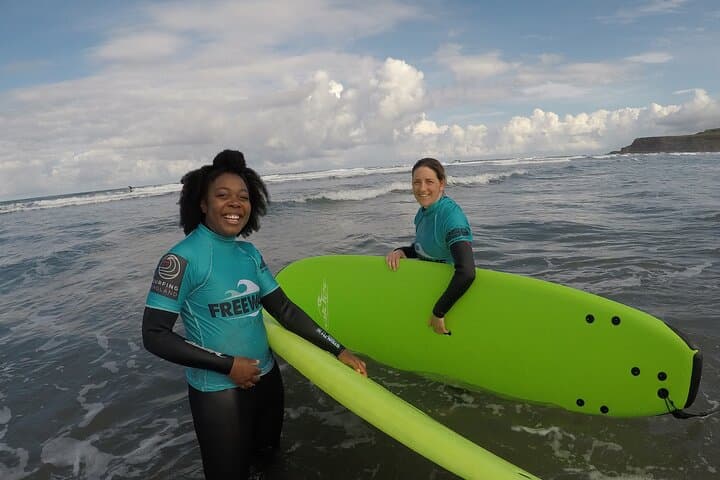
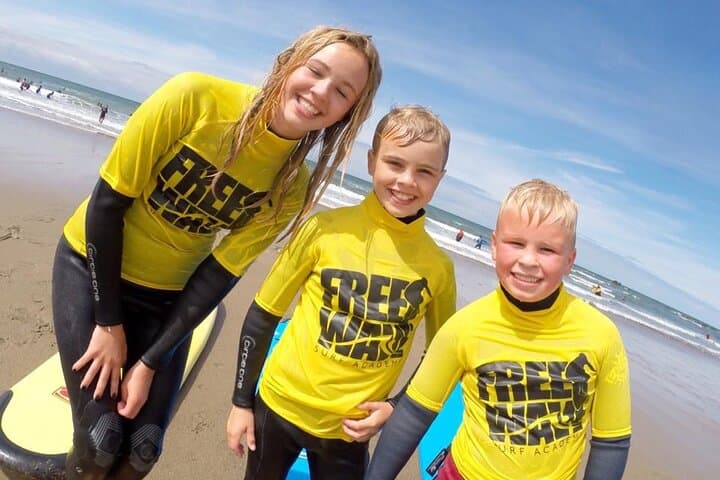
The Atlantic rolls into Widemouth Bay with a steady, approachable rhythm; salt air tugs at hair, and the wide sandy beach gives enough room to practice falling and getting back up. Participants meet on the sand, swap a few nervous jokes with their instructor, pull on supplied wetsuits, and walk to the water’s edge where a brief safety talk and warm-up loosen shoulders and knees.
The Atlantic rolls into Widemouth Bay with a steady, approachable rhythm; salt air tugs at hair, and the wide sandy beach gives enough room to practice falling and getting back up. Participants meet on the sand, swap a few nervous jokes with their instructor, pull on supplied wetsuits, and walk to the water’s edge where a brief safety talk and warm-up loosen shoulders and knees.
Widemouth Bay sits on north Cornwall’s rugged coast, carved from Carboniferous sandstones and shales that create broad, gently shelving sandbars ideal for beginner-friendly beach breaks. The area has a practical surf culture—local surf schools, volunteer lifeguards in summer, and a history of small-scale fishing and coastal trade that shaped Bude’s relationship with the sea.
Expect long, rolling swells on an incoming tide and punchier whitewater closer to shore; currents can be present but instructors teach positioning, paddling technique, and how to read the surf. Small-group coaching means focused feedback: pop-up technique on sand, timing your paddle, and catching shoulder-high waves by session’s end is a realistic goal.
Practical guidance: arrive 20–30 minutes early to kit up, check tide and wind (onshore winds make waves crumbly), and bring a dry change of clothes. Stay hydrated and use reef-safe sunscreen. Lessons typically run two hours and are best in calm offshore conditions for clearer, cleaner waves. Beginners should be comfortable in waist-deep surf and ready to get wet—expect laughter, bruises, and the genuine possibility of standing up on your first wave.