THE ADVENTURE COLLECTIVE® · Independent discovery and booking for outdoor travel

Walk Perugia’s cobbled lanes while sampling Umbrian staples—torta al testo, fresh pasta, cured meats and gelato—on a three-hour guided tasting that pairs local history with lunch. Practical route notes and what to pack included.
Walk Perugia’s cobbled lanes while sampling Umbrian staples—torta al testo, fresh pasta, cured meats and gelato—on a three-hour guided tasting that pairs local history with lunch. Practical route notes and what to pack included.
The tour begins on a sun-warmed piazza where the stone still holds the footprints of traders and pilgrims. Participants move off through narrow, cobbled lanes, passing carved doorways and street vendors, as a guide threads history into each bite. The first stop pairs local charcuterie with a glass of Umbrian wine; the tasting moves through torta al testo, a rustic flatbread folded around smoky cured meats, onto a trattoria for fresh pasta made with regional sauces, and finishes with gelato or artisanal chocolate above a sweeping view of the valley.
Verified experiences and guided adventures in the surrounding area.
Operated by Do Eat Better Experience · Perugia, Umbria
The tour begins on a sun-warmed piazza where the stone still holds the footprints of traders and pilgrims. Participants move off through narrow, cobbled lanes, passing carved doorways and street vendors, as a guide threads history into each bite. The first stop pairs local charcuterie with a glass of Umbrian wine; the tasting moves through torta al testo, a rustic flatbread folded around smoky cured meats, onto a trattoria for fresh pasta made with regional sauces, and finishes with gelato or artisanal chocolate above a sweeping view of the valley.
Perugia sits on an Etruscan and medieval spine—its streets carve through volcanic tuff and Roman layers, and the Rocca Paolina’s undercroft is a reminder of contested urban geology and civic history. Food culture here reflects that continuity: simple grains, long-cured salumi, lentils from nearby plains, and sweets that evolved around coffeehouses in the 19th century.
Practicalities are direct: the shared tour runs about three hours, covers mainly cobblestone surfaces with short uphill stretches and some stairs, and includes bottled water, snacks, lunch plates, coffee, dessert and one alcoholic beverage for adults. Guides alternate in English and Italian; groups top out at around a dozen guests.
Bring comfortable shoes with good grip, a light layer for rooftop breezes, and a small backpack to carry purchases. Start mid-morning to avoid the peak heat in summer and leave room in your appetite—this is a tasting tour designed to introduce Perugia’s flavors, local producers, and the neighborhoods that keep them alive.
easy.
3 hours.
Suitable for most fitness levels; expect 1–2 miles of walking with stairs and short uphill sections
Guides typically speak English and Italian during the tour; bilingual commentary is common and questions are welcomed.
Yes—advance notice via booking allows guides to arrange vegetarian or allergen-aware options when possible.
Meeting is usually in a central Perugia piazza close to the historic center; confirmation email includes the exact meeting point and local contact.
Teams note stroller accessibility for infants, but cobblestones and stairs mean wheelchair access is limited—contact the operator for specifics.
Perugia grew from Etruscan roots into a medieval city-state; its public squares and palazzi reflect centuries of trade and communal politics.
Support small producers and avoid single-use plastics; the local food scene benefits from sustainable sourcing and seasonal menus.
Do Eat Better Experience operates guided outdoor trips and adventures with an emphasis on safety, stewardship, and memorable experiences.
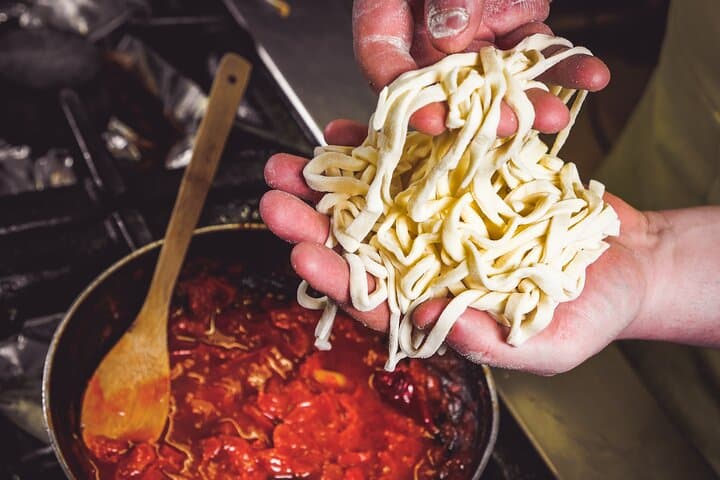
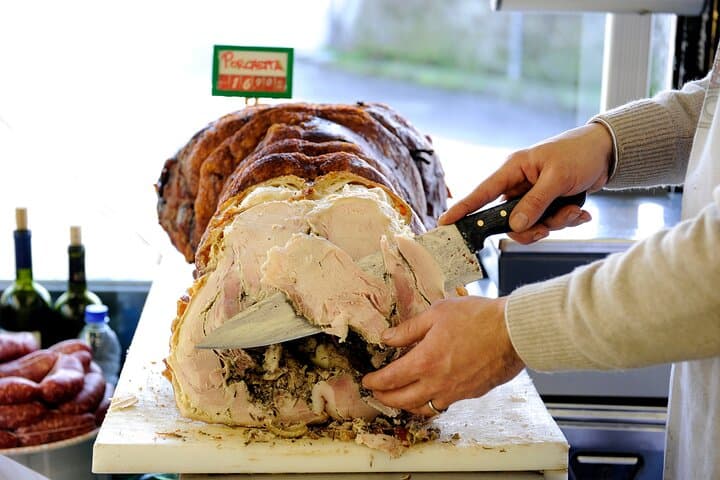
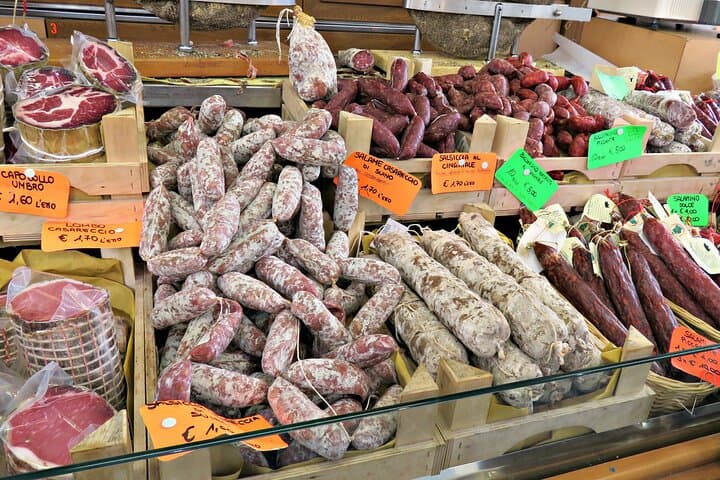
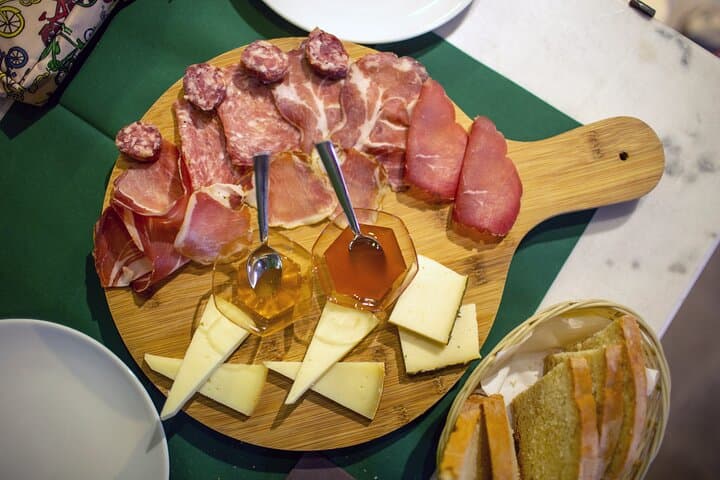
The tour begins on a sun-warmed piazza where the stone still holds the footprints of traders and pilgrims. Participants move off through narrow, cobbled lanes, passing carved doorways and street vendors, as a guide threads history into each bite. The first stop pairs local charcuterie with a glass of Umbrian wine; the tasting moves through torta al testo, a rustic flatbread folded around smoky cured meats, onto a trattoria for fresh pasta made with regional sauces, and finishes with gelato or artisanal chocolate above a sweeping view of the valley.
The tour begins on a sun-warmed piazza where the stone still holds the footprints of traders and pilgrims. Participants move off through narrow, cobbled lanes, passing carved doorways and street vendors, as a guide threads history into each bite. The first stop pairs local charcuterie with a glass of Umbrian wine; the tasting moves through torta al testo, a rustic flatbread folded around smoky cured meats, onto a trattoria for fresh pasta made with regional sauces, and finishes with gelato or artisanal chocolate above a sweeping view of the valley.
Perugia sits on an Etruscan and medieval spine—its streets carve through volcanic tuff and Roman layers, and the Rocca Paolina’s undercroft is a reminder of contested urban geology and civic history. Food culture here reflects that continuity: simple grains, long-cured salumi, lentils from nearby plains, and sweets that evolved around coffeehouses in the 19th century.
Practicalities are direct: the shared tour runs about three hours, covers mainly cobblestone surfaces with short uphill stretches and some stairs, and includes bottled water, snacks, lunch plates, coffee, dessert and one alcoholic beverage for adults. Guides alternate in English and Italian; groups top out at around a dozen guests.
Bring comfortable shoes with good grip, a light layer for rooftop breezes, and a small backpack to carry purchases. Start mid-morning to avoid the peak heat in summer and leave room in your appetite—this is a tasting tour designed to introduce Perugia’s flavors, local producers, and the neighborhoods that keep them alive.