THE ADVENTURE COLLECTIVE® · Independent discovery and booking for outdoor travel

Walk Trastevere’s cobbled lanes with a local guide, sampling at least ten classic Roman bites—supplì, cacio e pepe, pizza and gelato—paired with regional wines. This three-hour tour blends food history, artisan visits, and practical tips for exploring Rome’s most flavorful neighborhood.
Walk Trastevere’s cobbled lanes with a local guide, sampling at least ten classic Roman bites—supplì, cacio e pepe, pizza and gelato—paired with regional wines. This three-hour tour blends food history, artisan visits, and practical tips for exploring Rome’s most flavorful neighborhood.
The tour begins as you step off a narrow cobblestone lane and the air shifts—olive oil, wood-fired heat, fresh basil—pulling you toward a low-lit osteria where a pan of supplì crisps at the edge of the counter.
Verified experiences and guided adventures in the surrounding area.
Operated by ROMANA TOUR E SERVIZI · Rome, Lazio
The tour begins as you step off a narrow cobblestone lane and the air shifts—olive oil, wood-fired heat, fresh basil—pulling you toward a low-lit osteria where a pan of supplì crisps at the edge of the counter.
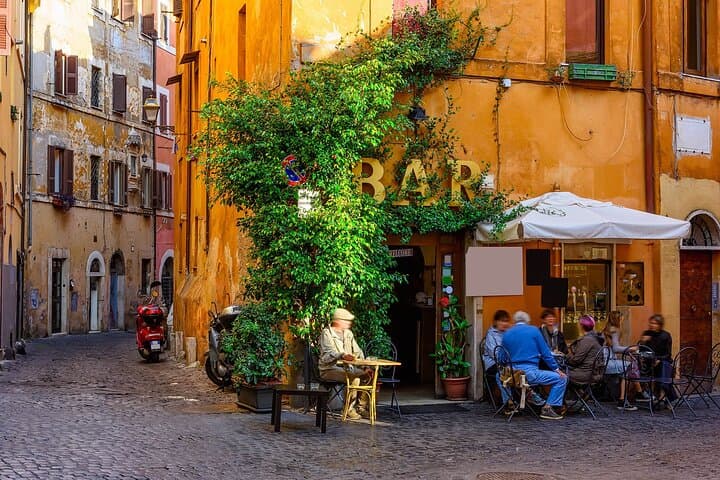
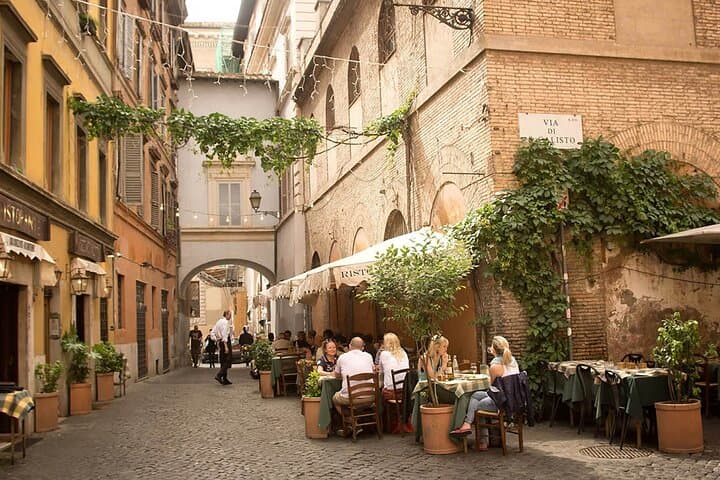
Trastevere sits on the west bank of the Tiber, a medieval quarter whose streets still follow Roman and medieval patterns. Buildings here are worn by centuries of sun and river mist; the neighborhood grew from a fishing and artisan district into one of Rome’s best places to eat. The food reflects that history: simple, ingredient-forward dishes with roots in peasant and pilgrim kitchens.
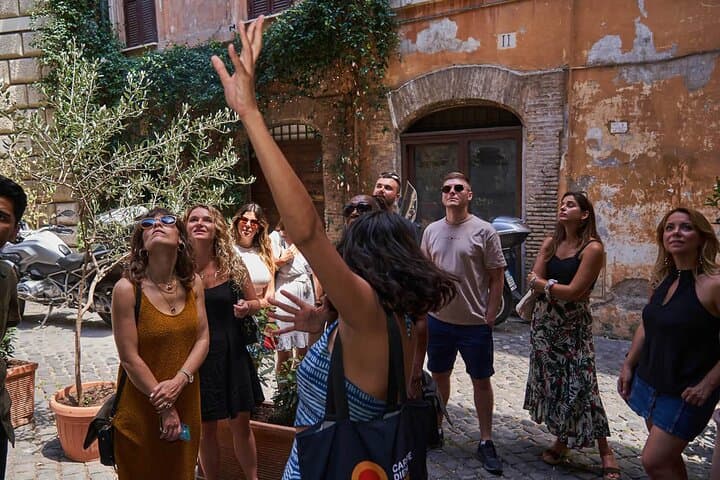
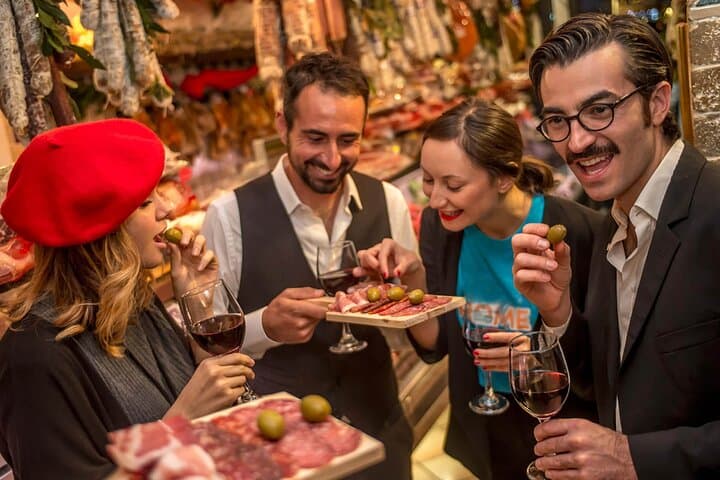
On this three-hour tasting route you’ll move between family-run deli counters, a pizzeria, a pasta stop for cacio e pepe, and a gelateria, sampling at least ten bites paired with local wines. Guides introduce you to producers and explain techniques—how long a supplì should fry, or why Roman pecorino tastes different from Sardinian cheese—while pointing out architectural details and local customs like the late, relaxed pace of Roman dinners.
Practical guidance: wear sturdy, closed shoes for uneven cobbles, bring a small refillable water bottle, and mention dietary restrictions at booking. Portions are tasting-sized but filling; plan light meals before and after. Public transit reaches Trastevere, but much of the tour is on foot—comfortable walking and curiosity reward you.
This is a sensory walk through place and palate: a compact education in Roman flavors, artisanal techniques, and the social rhythms that give the city its appetite.
easy.
3 hours.
Suitable for most fitness levels; expect 1–2 miles of walking on uneven cobbles
The tour includes at least ten different tastings, typically spread across several stops (deli, pizzeria, pasta, gelato) with wine pairings.
Vegetarian options are usually available, but you should note dietary restrictions at booking so the guide can adjust stops when possible.
Expect roughly 1–2 miles of walking over three hours on cobblestones and short stair sections; the pace is leisurely with frequent stops.
Yes—infants should sit on laps; the tour is family-friendly but check with the operator about specific child pricing or menu suitability.
Trastevere developed from ancient and medieval communities of fishermen and craftsmen; its narrow lanes preserve layers of Roman, medieval, and Renaissance urban fabric.
Support local artisans and avoid single-use plastics—many producers are small-scale and depend on conscious consumers; carry reusable cutlery or a bottle to reduce waste.
ROMANA TOUR E SERVIZI operates guided outdoor trips and adventures with an emphasis on safety, stewardship, and memorable experiences.
The tour begins as you step off a narrow cobblestone lane and the air shifts—olive oil, wood-fired heat, fresh basil—pulling you toward a low-lit osteria where a pan of supplì crisps at the edge of the counter.
The tour begins as you step off a narrow cobblestone lane and the air shifts—olive oil, wood-fired heat, fresh basil—pulling you toward a low-lit osteria where a pan of supplì crisps at the edge of the counter.
Trastevere sits on the west bank of the Tiber, a medieval quarter whose streets still follow Roman and medieval patterns. Buildings here are worn by centuries of sun and river mist; the neighborhood grew from a fishing and artisan district into one of Rome’s best places to eat. The food reflects that history: simple, ingredient-forward dishes with roots in peasant and pilgrim kitchens.
On this three-hour tasting route you’ll move between family-run deli counters, a pizzeria, a pasta stop for cacio e pepe, and a gelateria, sampling at least ten bites paired with local wines. Guides introduce you to producers and explain techniques—how long a supplì should fry, or why Roman pecorino tastes different from Sardinian cheese—while pointing out architectural details and local customs like the late, relaxed pace of Roman dinners.
Practical guidance: wear sturdy, closed shoes for uneven cobbles, bring a small refillable water bottle, and mention dietary restrictions at booking. Portions are tasting-sized but filling; plan light meals before and after. Public transit reaches Trastevere, but much of the tour is on foot—comfortable walking and curiosity reward you.
This is a sensory walk through place and palate: a compact education in Roman flavors, artisanal techniques, and the social rhythms that give the city its appetite.