THE ADVENTURE COLLECTIVE® · Independent discovery and booking for outdoor travel

Walk Tbilisi’s old streets tasting bread, wine, and honey while learning how geography and centuries of winemaking shape Georgian cuisine. This private, 5–6 hour tour pairs cultural context with a hands-on sampling of local favorites.
Walk Tbilisi’s old streets tasting bread, wine, and honey while learning how geography and centuries of winemaking shape Georgian cuisine. This private, 5–6 hour tour pairs cultural context with a hands-on sampling of local favorites.
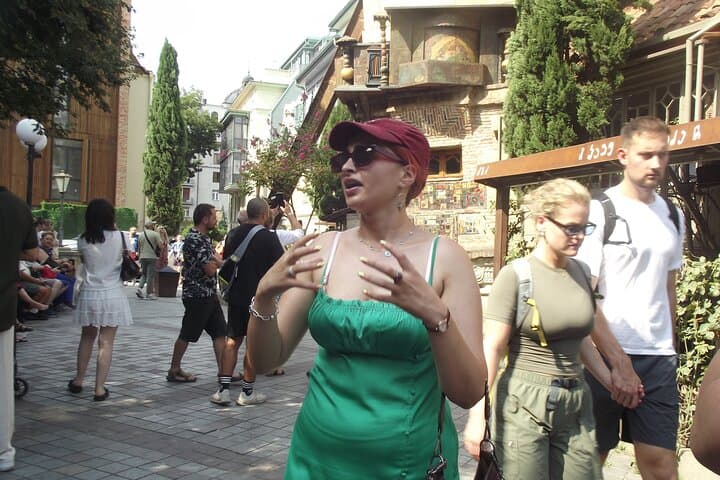
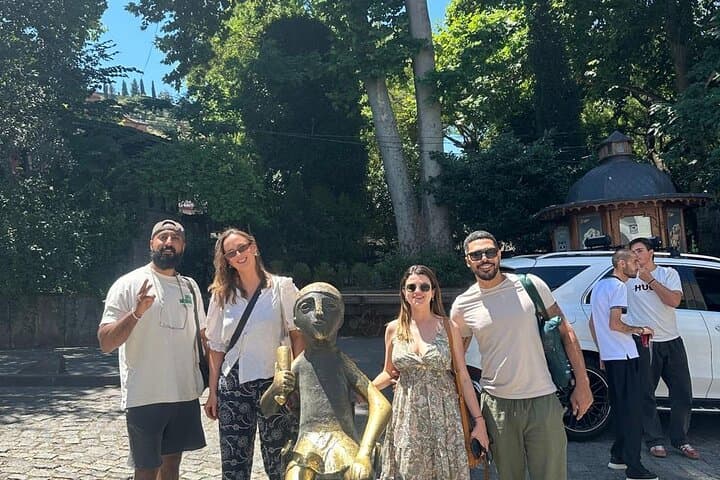
Morning light cuts across Liberty Square and the city wakes with the smell of fresh brad and steaming tea. Your guide meets you by St. George’s column, and the walk begins: Jerusalem Street’s stone steps breathe history, the sulphur baths exhale steam like an old storyteller, and the Kote Apkhazi wine shops hum with clinking glasses.
Verified experiences and guided adventures in the surrounding area.
Operated by Views Georgia Tours · Tbilisi, Tbilisi
Morning light cuts across Liberty Square and the city wakes with the smell of fresh brad and steaming tea. Your guide meets you by St. George’s column, and the walk begins: Jerusalem Street’s stone steps breathe history, the sulphur baths exhale steam like an old storyteller, and the Kote Apkhazi wine shops hum with clinking glasses.
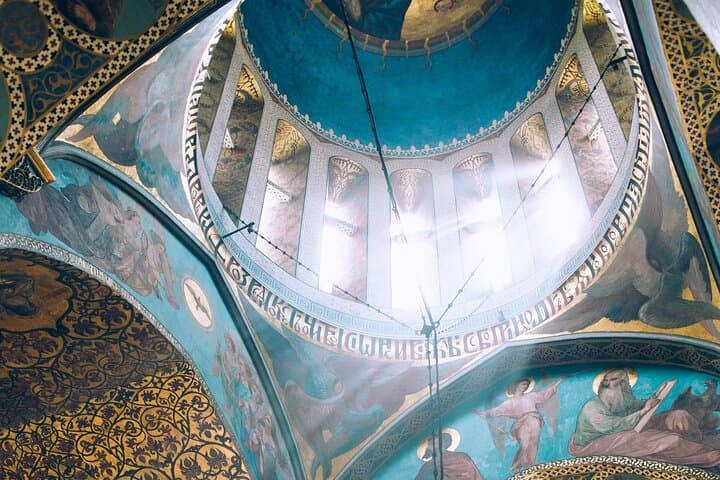
Georgian food is rooted in millennia—vineyards on the slopes of the Caucasus produced wine long before recorded Europe, and the region’s bread ovens (tonis puri) and cheese pies (khachapuri) anchor daily life. Architecture shifts from medieval churches to 19th-century façades as you move; the city’s geology—river valleys and hot springs—has shaped neighborhoods and flavors alike.
On this private tour you’ll sample tea and crisp brad, taste Churchkhela from a vendor’s apron, compare qvevri-style wines and fiery chacha in a tucked-away cellar, and finish with khachapuri and khinkali at a family-run restaurant on Erekle Street. Along the way, small moments matter: a honey vendor offering spoonfuls, a waterfall beside a courtyard ice-cream stall, a synagogue and mosque standing within earshot of each other.
Practical notes: expect 3–4 km of mostly flat walking across cobbles and light steps; bring comfortable shoes, a reusable water bottle, and a light layer for changing shade and steam. Plan this in the morning or early afternoon to beat crowds; dietary restrictions are easy to accommodate with advance notice. This is a sensory, slow-paced immersion in Tbilisi’s food culture—part history lesson, part tasting menu, all local flavor.
easy.
5–6 hours.
Easy urban walking; suitable for most fitness levels but expect multiple short walks and standing during tastings
The tour meets at Liberty Square by St. George’s monument in central Tbilisi; your confirmation will include exact coordinates and a map.
Yes — it’s a private tour and operators can accommodate dietary restrictions if notified before booking.
Expect around 3–4 km of mostly flat walking with some cobbled streets and short flights of stairs over a 5–6 hour period.
Yes — wine and chacha tastings at a local wine shop are included as part of the itinerary.
Tbilisi’s culinary culture reflects millennia of winemaking and trade along Caucasus routes; many recipes and bread-baking techniques predate modern borders.
Support local producers and minimize single-use plastics; many small vendors rely on sustainable foraging and family-scale farming, so buying directly helps local economies.
Views Georgia Tours operates guided outdoor trips and adventures with an emphasis on safety, stewardship, and memorable experiences.

Morning light cuts across Liberty Square and the city wakes with the smell of fresh brad and steaming tea. Your guide meets you by St. George’s column, and the walk begins: Jerusalem Street’s stone steps breathe history, the sulphur baths exhale steam like an old storyteller, and the Kote Apkhazi wine shops hum with clinking glasses.
Morning light cuts across Liberty Square and the city wakes with the smell of fresh brad and steaming tea. Your guide meets you by St. George’s column, and the walk begins: Jerusalem Street’s stone steps breathe history, the sulphur baths exhale steam like an old storyteller, and the Kote Apkhazi wine shops hum with clinking glasses.
Georgian food is rooted in millennia—vineyards on the slopes of the Caucasus produced wine long before recorded Europe, and the region’s bread ovens (tonis puri) and cheese pies (khachapuri) anchor daily life. Architecture shifts from medieval churches to 19th-century façades as you move; the city’s geology—river valleys and hot springs—has shaped neighborhoods and flavors alike.
On this private tour you’ll sample tea and crisp brad, taste Churchkhela from a vendor’s apron, compare qvevri-style wines and fiery chacha in a tucked-away cellar, and finish with khachapuri and khinkali at a family-run restaurant on Erekle Street. Along the way, small moments matter: a honey vendor offering spoonfuls, a waterfall beside a courtyard ice-cream stall, a synagogue and mosque standing within earshot of each other.
Practical notes: expect 3–4 km of mostly flat walking across cobbles and light steps; bring comfortable shoes, a reusable water bottle, and a light layer for changing shade and steam. Plan this in the morning or early afternoon to beat crowds; dietary restrictions are easy to accommodate with advance notice. This is a sensory, slow-paced immersion in Tbilisi’s food culture—part history lesson, part tasting menu, all local flavor.