THE ADVENTURE COLLECTIVE® · Independent discovery and booking for outdoor travel

Walk through Strasbourg’s Grande Île and taste Alsace: bakeries, a chocolate atelier, tarte flambée and local beer over a 2.5–3 hour guided tasting tour. Learn how the region’s French–German history shaped what’s on the plate.
Walk through Strasbourg’s Grande Île and taste Alsace: bakeries, a chocolate atelier, tarte flambée and local beer over a 2.5–3 hour guided tasting tour. Learn how the region’s French–German history shaped what’s on the plate.
You step out in front of the Tourist Info as the city exhales—bakeries warming their first loaves, tram bells punctuating conversation, and the Cathedral’s spire carving the sky. The guide leads the group through Grande Île’s cobbled arteries; the air alternates between yeasty warmth and the sharper tang of beer and smoked charcuterie. Over roughly three hours you move like a local: pausing for tarte flambée fresh from a wood-fired oven, sampling a chocolate micro-batch, and lingering in a modern bakery that reinterprets tradition.
Verified experiences and guided adventures in the surrounding area.
Operated by knack_rucksack · Strasbourg, Grand Est
You step out in front of the Tourist Info as the city exhales—bakeries warming their first loaves, tram bells punctuating conversation, and the Cathedral’s spire carving the sky. The guide leads the group through Grande Île’s cobbled arteries; the air alternates between yeasty warmth and the sharper tang of beer and smoked charcuterie. Over roughly three hours you move like a local: pausing for tarte flambée fresh from a wood-fired oven, sampling a chocolate micro-batch, and lingering in a modern bakery that reinterprets tradition.
Strasbourg sits at the crossroads of French and German culinary heritage—Alsace’s identity reflects centuries of shifting borders and trade. The city’s geology and river network shaped its Petite France tanners’ quarter; canals provided power and transport for early industry and now frame half-timbered houses and lock gates. Cultural notes: expect winstubs (small inns) serving Riesling and regional beer, and boulangeries where technique matters as much as ingredients.
Practically: the tour covers about 2.5–3 hours on foot with frequent stops—bring comfortable shoes and a light layer for changing weather. Tastings (5–6 stops) combine sweet and savory with options that may include alcohol; notify the guide of dietary restrictions beforehand. Public transit is nearby if you arrive by tram. The route weaves through tourist highlights and quieter alleys, ending near the cathedral but not necessarily at the meeting point. This is a low-impact, food-focused way to read Strasbourg’s history by palate—respect local shops by arriving with appetite, curiosity, and modest gratuity for personalised recommendations.
easy.
2.5–3 hours.
Suitable for most fitness levels; expect continuous walking on flat to mildly uneven surfaces for the tour length.
Expect about 5–6 varied tastings across bakeries, a chocolate shop, a restaurant and a café; exact stops may vary by guide and season.
Yes—physical difficulty is low, but parents should note some tastings may include alcohol; inform the operator if children are in your group.
The meeting point is in front of the Tourist Info; the tour usually ends near the Cathedral area but not necessarily at the starting location.
Yes—notify the guide when booking so vendors can adjust or substitute tastings when possible.
Strasbourg’s Grande Île is a UNESCO World Heritage site; the city’s cuisine reflects centuries of Franco‑German exchange and riverborne trade.
Support small producers and shops, avoid single-use plastics, and follow guide instructions to minimize congestion in narrow historic alleys.
knack_rucksack operates guided outdoor trips and adventures with an emphasis on safety, stewardship, and memorable experiences.
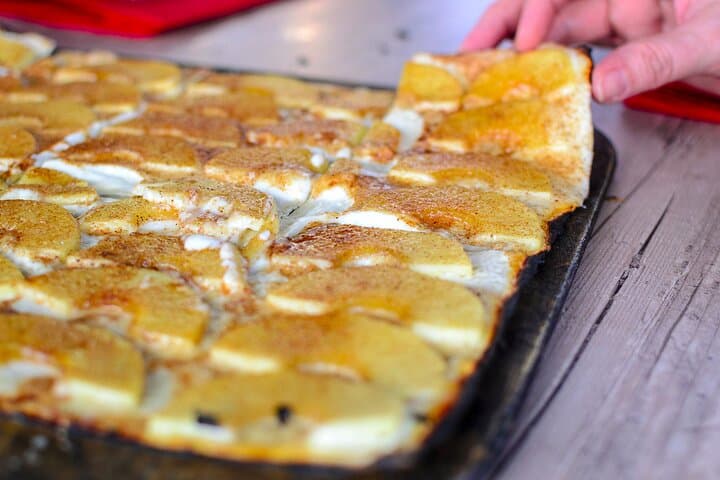
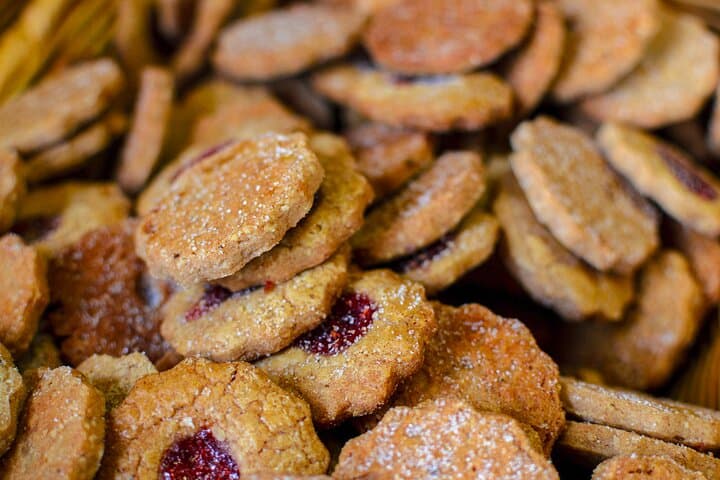
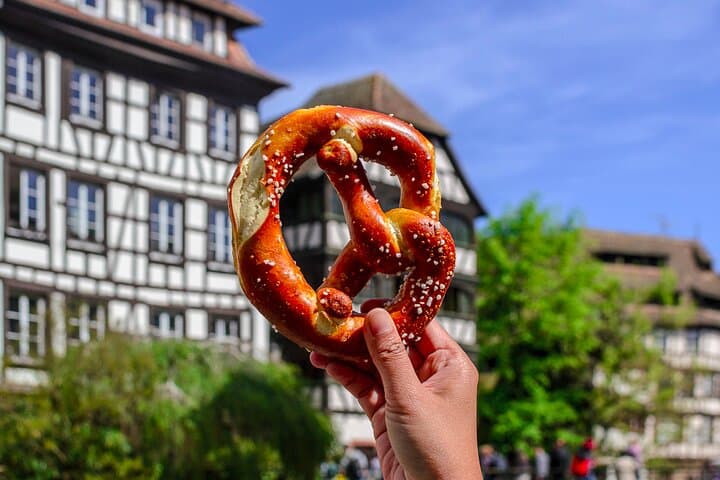
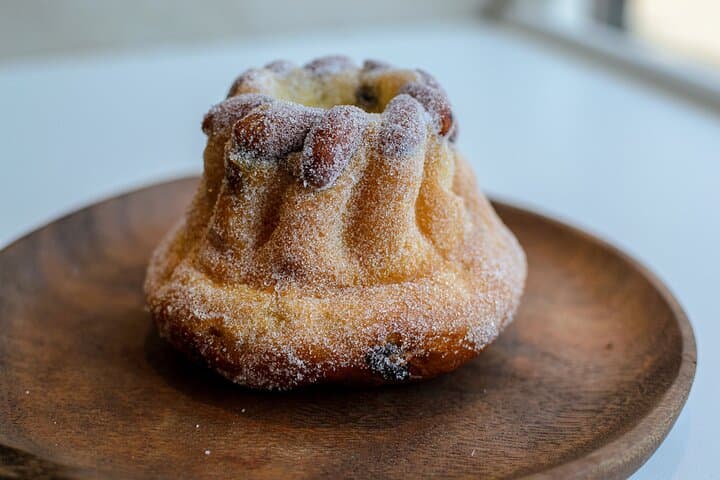
You step out in front of the Tourist Info as the city exhales—bakeries warming their first loaves, tram bells punctuating conversation, and the Cathedral’s spire carving the sky. The guide leads the group through Grande Île’s cobbled arteries; the air alternates between yeasty warmth and the sharper tang of beer and smoked charcuterie. Over roughly three hours you move like a local: pausing for tarte flambée fresh from a wood-fired oven, sampling a chocolate micro-batch, and lingering in a modern bakery that reinterprets tradition.
You step out in front of the Tourist Info as the city exhales—bakeries warming their first loaves, tram bells punctuating conversation, and the Cathedral’s spire carving the sky. The guide leads the group through Grande Île’s cobbled arteries; the air alternates between yeasty warmth and the sharper tang of beer and smoked charcuterie. Over roughly three hours you move like a local: pausing for tarte flambée fresh from a wood-fired oven, sampling a chocolate micro-batch, and lingering in a modern bakery that reinterprets tradition.
Strasbourg sits at the crossroads of French and German culinary heritage—Alsace’s identity reflects centuries of shifting borders and trade. The city’s geology and river network shaped its Petite France tanners’ quarter; canals provided power and transport for early industry and now frame half-timbered houses and lock gates. Cultural notes: expect winstubs (small inns) serving Riesling and regional beer, and boulangeries where technique matters as much as ingredients.
Practically: the tour covers about 2.5–3 hours on foot with frequent stops—bring comfortable shoes and a light layer for changing weather. Tastings (5–6 stops) combine sweet and savory with options that may include alcohol; notify the guide of dietary restrictions beforehand. Public transit is nearby if you arrive by tram. The route weaves through tourist highlights and quieter alleys, ending near the cathedral but not necessarily at the meeting point. This is a low-impact, food-focused way to read Strasbourg’s history by palate—respect local shops by arriving with appetite, curiosity, and modest gratuity for personalised recommendations.