THE ADVENTURE COLLECTIVE® · Independent discovery and booking for outdoor travel

Pick live seafood at Seoul’s famous Noryangjin Market and take it to the Han River for a local-style picnic. This guided loop blends hands-on food culture with easy riverside relaxation.
Pick live seafood at Seoul’s famous Noryangjin Market and take it to the Han River for a local-style picnic. This guided loop blends hands-on food culture with easy riverside relaxation.
Morning light slides across stainless-steel stalls at Noryangjin Fish Market, where the smell of brine and sizzling oil greets visitors before the city fully wakes. The market hums—buyers inspecting glinting flanks of fish, sellers calling prices, and the inevitable clack of knives as sashimi is prepared to order. After a hands-on selection and a Korean-style cook-up, the group drifts toward the Han River, settling on a mat at Hangang Park as freighters and cyclists glide past.
Verified experiences and guided adventures in the surrounding area.
Operated by KimJang Tour · Seoul, Seoul
Morning light slides across stainless-steel stalls at Noryangjin Fish Market, where the smell of brine and sizzling oil greets visitors before the city fully wakes. The market hums—buyers inspecting glinting flanks of fish, sellers calling prices, and the inevitable clack of knives as sashimi is prepared to order. After a hands-on selection and a Korean-style cook-up, the group drifts toward the Han River, settling on a mat at Hangang Park as freighters and cyclists glide past.
Noryangjin grew after the Korean War into Seoul’s principal wholesale seafood hub, its concrete aisles a living record of the city’s appetite and trade. The Han River itself carved the basin that became modern Seoul; its broad floodplain has long been a social spine where industry, leisure, and the city’s expansion meet.
Culturally, the loop from seafood market to riverside picnic is quintessential Seoul — practical, communal, and focused on taste. Locals favor spicy stews, anju (drinking snacks), and communal plates; learning those rhythms makes the experience feel less like tourism and more like membership in a neighborhood ritual.
Practicalities: plan for about three hours total, walkable but urban — expect crowds at peak meal times. Choose fresh-looking catch (clear eyes, firm flesh), request simple preparations if you’re sensitive to spice, and bring a light layer for riverside breeze after dusk. Hydrate: summer sun turns the riverside into an open-air oven, while spring and fall bring calm, pleasant evenings. Finally, treat the riverbank respectfully: pack out any trash and leave space for picnickers and cyclists.
easy.
3 hours.
Suitable for all fitness levels—mostly standing and short walks between market stalls and the riverside
Yes—vendors and cooking stalls can prepare dishes milder or without certain ingredients if you communicate clearly; bring allergy details translated into Korean if needed.
Yes—both Noryangjin Market and major Hangang Park sections offer wheelchair-accessible surfaces and pathways, though some vendor aisles may be narrow.
Take Seoul Metro to Noryangjin Station (Line 1 or 9) and follow signs to the fish market; Hangang Park is a short taxi or bus ride from many central stations.
Tipping is not customary in Korea; paying for the meal and thanking the cook is sufficient.
Noryangjin expanded into a major post-war wholesale market in the mid-20th century; Hangang Park was developed in stages from the 1980s to provide public green space along the river.
The Han has seen major cleanup efforts since the 2000s; visitors are encouraged to minimize single-use plastics and follow park waste rules to protect waterbirds and fish.
KimJang Tour operates guided outdoor trips and adventures with an emphasis on safety, stewardship, and memorable experiences.
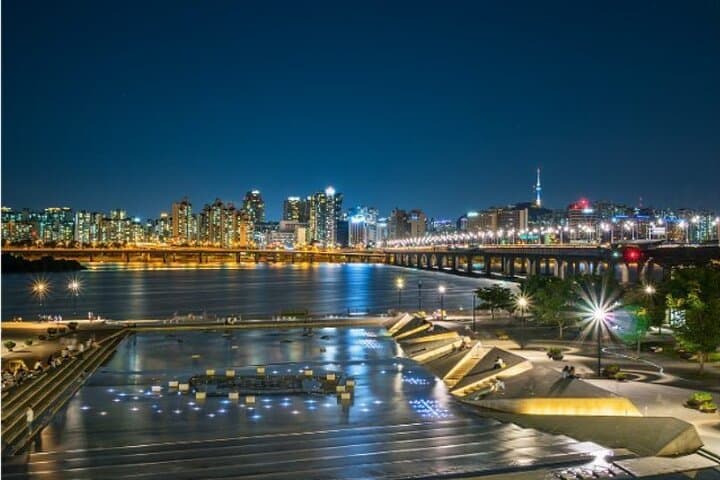
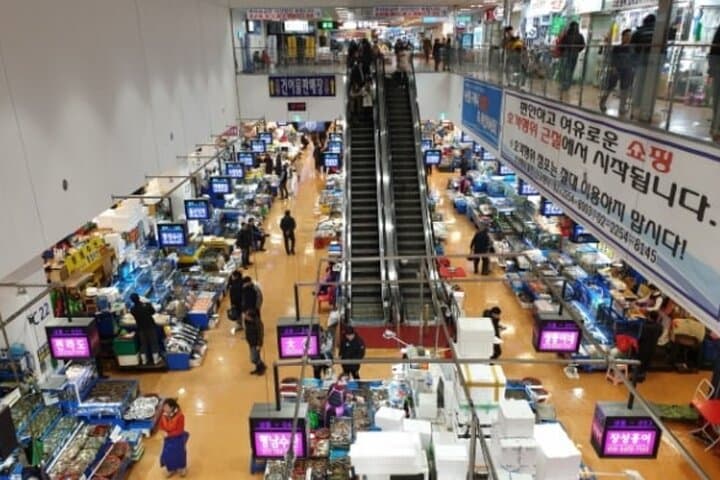
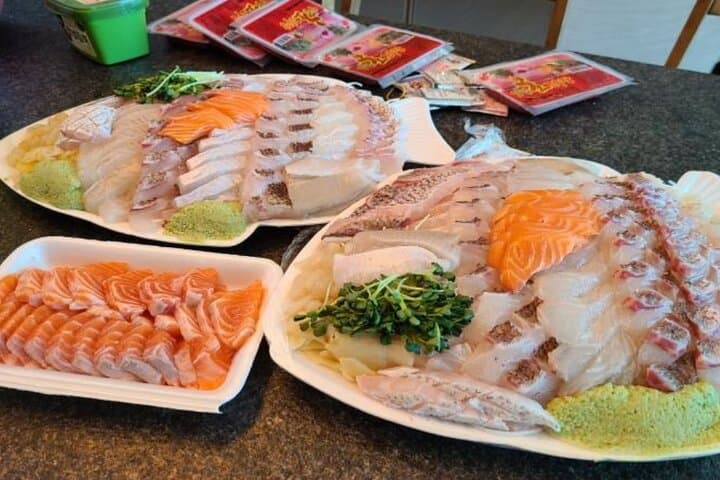
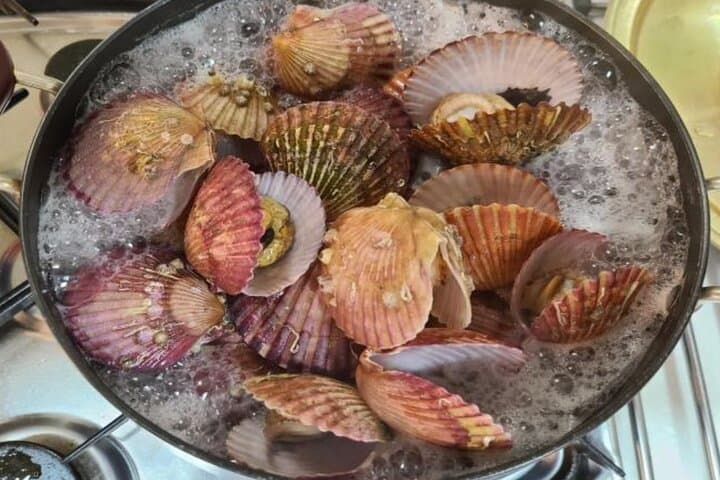
Morning light slides across stainless-steel stalls at Noryangjin Fish Market, where the smell of brine and sizzling oil greets visitors before the city fully wakes. The market hums—buyers inspecting glinting flanks of fish, sellers calling prices, and the inevitable clack of knives as sashimi is prepared to order. After a hands-on selection and a Korean-style cook-up, the group drifts toward the Han River, settling on a mat at Hangang Park as freighters and cyclists glide past.
Morning light slides across stainless-steel stalls at Noryangjin Fish Market, where the smell of brine and sizzling oil greets visitors before the city fully wakes. The market hums—buyers inspecting glinting flanks of fish, sellers calling prices, and the inevitable clack of knives as sashimi is prepared to order. After a hands-on selection and a Korean-style cook-up, the group drifts toward the Han River, settling on a mat at Hangang Park as freighters and cyclists glide past.
Noryangjin grew after the Korean War into Seoul’s principal wholesale seafood hub, its concrete aisles a living record of the city’s appetite and trade. The Han River itself carved the basin that became modern Seoul; its broad floodplain has long been a social spine where industry, leisure, and the city’s expansion meet.
Culturally, the loop from seafood market to riverside picnic is quintessential Seoul — practical, communal, and focused on taste. Locals favor spicy stews, anju (drinking snacks), and communal plates; learning those rhythms makes the experience feel less like tourism and more like membership in a neighborhood ritual.
Practicalities: plan for about three hours total, walkable but urban — expect crowds at peak meal times. Choose fresh-looking catch (clear eyes, firm flesh), request simple preparations if you’re sensitive to spice, and bring a light layer for riverside breeze after dusk. Hydrate: summer sun turns the riverside into an open-air oven, while spring and fall bring calm, pleasant evenings. Finally, treat the riverbank respectfully: pack out any trash and leave space for picnickers and cyclists.