THE ADVENTURE COLLECTIVE® · Independent discovery and booking for outdoor travel

Spend a day walking ancient vineyards and tasting family-made wines across Rioja Alta and Rioja Alavesa. This full-day tour pairs cellar visits and a local lunch with insider stories from multigenerational winemakers.
Spend a day walking ancient vineyards and tasting family-made wines across Rioja Alta and Rioja Alavesa. This full-day tour pairs cellar visits and a local lunch with insider stories from multigenerational winemakers.
Morning light slides across rows of gnarled vines as the van climbs from clay lanes into the patchwork slopes of Rioja Alta and Rioja Alavesa. You arrive where oak barrels keep slow company with stone cellars and family voices—winemakers who still measure success by grape and generations rather than spreadsheets.
Verified experiences and guided adventures in the surrounding area.
Operated by Rioja Like A Native · Haro, La Rioja
Morning light slides across rows of gnarled vines as the van climbs from clay lanes into the patchwork slopes of Rioja Alta and Rioja Alavesa. You arrive where oak barrels keep slow company with stone cellars and family voices—winemakers who still measure success by grape and generations rather than spreadsheets.
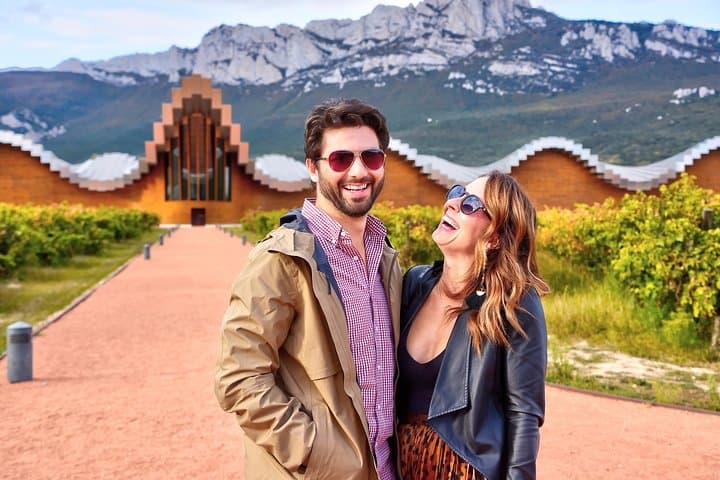
This region grew from Roman vine plantings and medieval monasteries; the geology is equally decisive—limestone and alluvial soils drain differently, giving Tempranillo and other varieties distinct structure across short distances. Local towns wear history plainly: 15th-century cellars sit beside modern bodega façades, and the Ebro River carves a living boundary that shaped trade and viticulture for centuries.
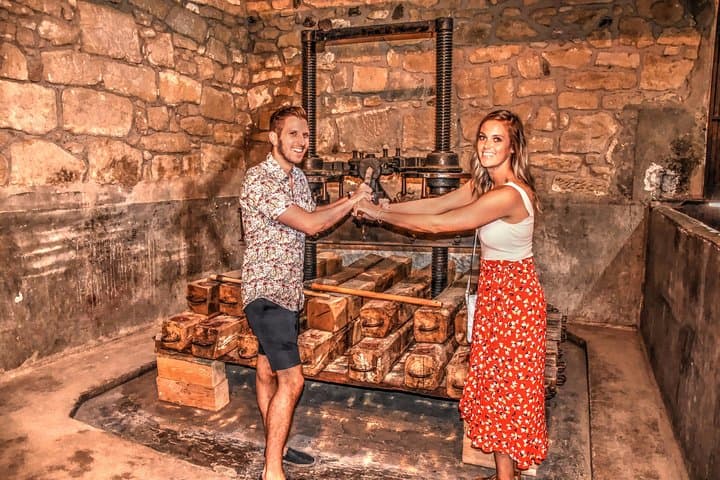
Culturally, Rioja is unapologetically gastronomic. Meals are structured around shared plates, slow wines and conversations about vintage. Expect hands-on moments—vineyard walks, barrel rooms and family anecdotes about harvests, stubborn winters and celebratory vendimias.
Practical guidance: the tour is a full day (about nine hours) with three guided winery visits and a sit-down lunch. Walks between vineyard rows are short but uneven—wear closed-toe shoes with sensible tread. Pace tastings: spit or sip slowly, hydrate between flights and bring a photo ID (Spain’s drinking age is 18). Sun can be fierce in summer; pack layers for cooler cellar visits.
Timing matters—spring brings budbreak and green shoots, late summer builds sugar, and fall vibrates with harvest energy. Zero in on stories as much as bottles: the best souvenirs are what you learn, and the best photos are taken when you slow down to listen.
easy.
9 hours.
Suitable for most fitness levels; involves short walks on uneven ground and standing during tastings.
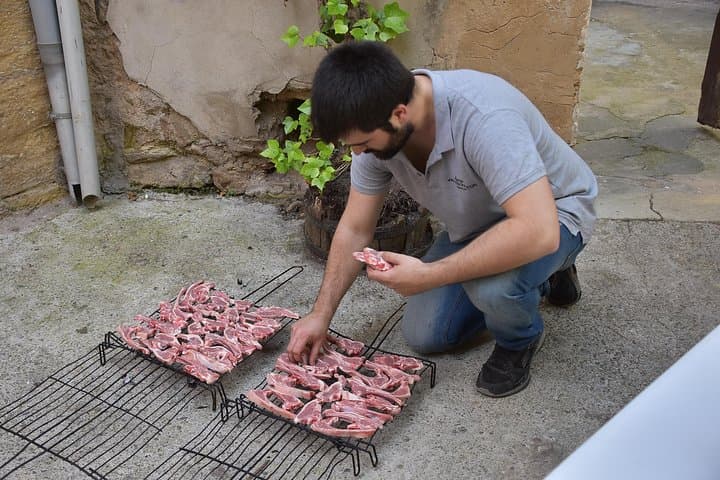
The tour runs about nine hours and includes private transport, three guided vineyard/winery visits, a locally paired lunch, and commentary from an English-speaking wine expert.
Yes—non-drinkers can join to enjoy the cultural and vineyard components; note the minimum drinking age for alcohol in Spain is 18.
Yes—pickup location is arranged during booking; confirm your hotel or meeting-point when you complete reservation details.
Accessibility varies by family-run winery; inform the operator of mobility needs when booking so they can advise or adapt visits.
Rioja’s wine identity solidified under monastic cultivation and later 19th-century cooperage and barrel-aging traditions; many family cellars trace roots back centuries.
Many small producers emphasize low-intervention practices and soil health; visitors should stick to marked paths to avoid compacting vine roots and follow winery guidance on photography and biosecurity.
Rioja Like A Native operates guided outdoor trips and adventures with an emphasis on safety, stewardship, and memorable experiences.
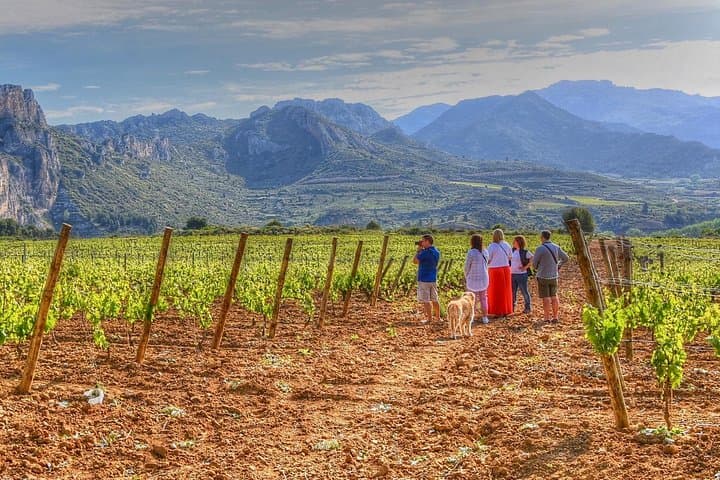
Morning light slides across rows of gnarled vines as the van climbs from clay lanes into the patchwork slopes of Rioja Alta and Rioja Alavesa. You arrive where oak barrels keep slow company with stone cellars and family voices—winemakers who still measure success by grape and generations rather than spreadsheets.
Morning light slides across rows of gnarled vines as the van climbs from clay lanes into the patchwork slopes of Rioja Alta and Rioja Alavesa. You arrive where oak barrels keep slow company with stone cellars and family voices—winemakers who still measure success by grape and generations rather than spreadsheets.
This region grew from Roman vine plantings and medieval monasteries; the geology is equally decisive—limestone and alluvial soils drain differently, giving Tempranillo and other varieties distinct structure across short distances. Local towns wear history plainly: 15th-century cellars sit beside modern bodega façades, and the Ebro River carves a living boundary that shaped trade and viticulture for centuries.
Culturally, Rioja is unapologetically gastronomic. Meals are structured around shared plates, slow wines and conversations about vintage. Expect hands-on moments—vineyard walks, barrel rooms and family anecdotes about harvests, stubborn winters and celebratory vendimias.
Practical guidance: the tour is a full day (about nine hours) with three guided winery visits and a sit-down lunch. Walks between vineyard rows are short but uneven—wear closed-toe shoes with sensible tread. Pace tastings: spit or sip slowly, hydrate between flights and bring a photo ID (Spain’s drinking age is 18). Sun can be fierce in summer; pack layers for cooler cellar visits.
Timing matters—spring brings budbreak and green shoots, late summer builds sugar, and fall vibrates with harvest energy. Zero in on stories as much as bottles: the best souvenirs are what you learn, and the best photos are taken when you slow down to listen.