THE ADVENTURE COLLECTIVE® · Independent discovery and booking for outdoor travel

Taste Quito’s historic streets on a three-hour walking tour that visits six local spots—from fritada and empanadas to canelazo and award-winning Ecuadorian cacao. Learn food history, sample authentic dishes, and navigate the city like a local.
Taste Quito’s historic streets on a three-hour walking tour that visits six local spots—from fritada and empanadas to canelazo and award-winning Ecuadorian cacao. Learn food history, sample authentic dishes, and navigate the city like a local.
You step off a narrow cobbled alley into a steam-and-spice street where the air smells of frying pork, cinnamon and freshly roasted cacao.
Verified experiences and guided adventures in the surrounding area.
Operated by Enjoy&Live Tours · Quito, Pichincha
You step off a narrow cobbled alley into a steam-and-spice street where the air smells of frying pork, cinnamon and freshly roasted cacao.
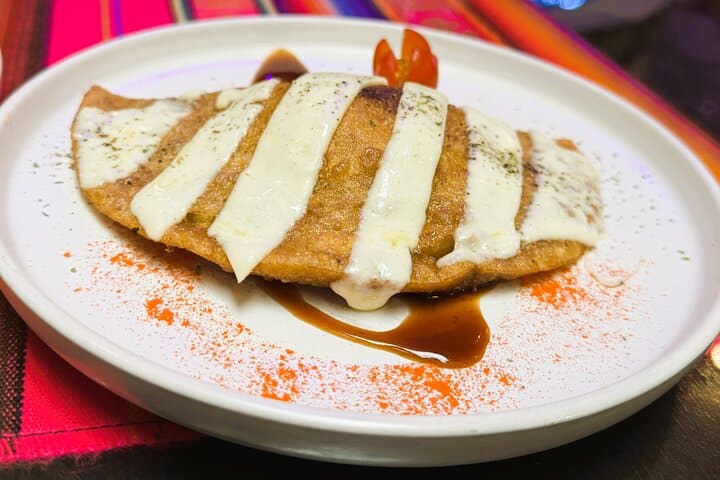
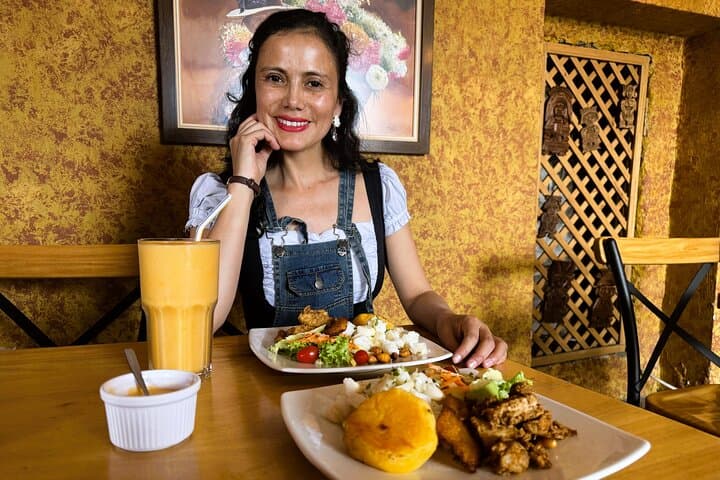
This three-hour walking tasting threads through Quito’s historic core, moving between small family-run bodegas, street windows and intimate chocolate ateliers. The tour highlights classic Quito plates—fritada with mote and yapingacho, corn-based empanadas paired with Zaruma coffee, a slow-roasted pernil sandwich, warm canelazo spiked with naranjilla, cheeky local sweets, and world-class Ecuadorian cacao samples—each stop chosen for authenticity rather than tourist polish.
Quito’s historic center, one of the first UNESCO World Heritage sites, reflects Spanish colonial planning layered over pre-Columbian trade routes; the city’s microclimates, shaped by high Andean elevation (around 2,850 m/9,350 ft), have long favored cacao cultivation and a rich street-food culture.
Practical guidance: comfortable shoes and a light jacket are essential—streets are uneven and weather can shift quickly. Expect 1.5–3 km of easy urban walking with frequent stops; vendors serve small portions so you can sample broadly without overfilling. Carry small cash for extras, note the tour is wheelchair accessible but some historic thresholds are uneven, and disclose dietary restrictions in advance—the guides can usually accommodate allergies and vegetarian options.
Timing matters: daytime light helps you read menus and watch food preparation, while evenings bring canelazo and a livelier atmosphere. This is a low-impact, locally focused experience—come curious, pace your tasting, and leave with both flavors and context for Quito’s culinary identity.
easy.
3 hours.
Light urban walking suitable for most fitness levels; expect short stretches of standing and stairs in some venues.
About 1.5–3 km of easy walking between six nearby stops over roughly three hours; routes use historic streets that can be uneven.
Yes—inform the operator when booking and the guide will plan alternatives for common allergies and vegetarian preferences when possible.
The pace is relaxed and physically easy, but families should consider portion sizes and altitude; some venues have steps.
Card acceptance varies; bring small cash for additional purchases or tips—major stops are usually covered in the tour price.
Quito’s colonial center dates to the 16th century and was one of the first urban areas declared a UNESCO World Heritage Site; cacao cultivation has been central to Ecuador’s economy for centuries.
Support small, family-run eateries and avoid single-use plastics; staying on established paths helps protect the historic streets and local businesses.
Enjoy&Live Tours operates guided outdoor trips and adventures with an emphasis on safety, stewardship, and memorable experiences.
You step off a narrow cobbled alley into a steam-and-spice street where the air smells of frying pork, cinnamon and freshly roasted cacao.
You step off a narrow cobbled alley into a steam-and-spice street where the air smells of frying pork, cinnamon and freshly roasted cacao.
This three-hour walking tasting threads through Quito’s historic core, moving between small family-run bodegas, street windows and intimate chocolate ateliers. The tour highlights classic Quito plates—fritada with mote and yapingacho, corn-based empanadas paired with Zaruma coffee, a slow-roasted pernil sandwich, warm canelazo spiked with naranjilla, cheeky local sweets, and world-class Ecuadorian cacao samples—each stop chosen for authenticity rather than tourist polish.
Quito’s historic center, one of the first UNESCO World Heritage sites, reflects Spanish colonial planning layered over pre-Columbian trade routes; the city’s microclimates, shaped by high Andean elevation (around 2,850 m/9,350 ft), have long favored cacao cultivation and a rich street-food culture.
Practical guidance: comfortable shoes and a light jacket are essential—streets are uneven and weather can shift quickly. Expect 1.5–3 km of easy urban walking with frequent stops; vendors serve small portions so you can sample broadly without overfilling. Carry small cash for extras, note the tour is wheelchair accessible but some historic thresholds are uneven, and disclose dietary restrictions in advance—the guides can usually accommodate allergies and vegetarian options.
Timing matters: daytime light helps you read menus and watch food preparation, while evenings bring canelazo and a livelier atmosphere. This is a low-impact, locally focused experience—come curious, pace your tasting, and leave with both flavors and context for Quito’s culinary identity.