THE ADVENTURE COLLECTIVE® · Independent discovery and booking for outdoor travel

Explore Tanga’s layered history on a compact 2-day, 1-night tour that visits Amboni Caves, Tongoni Ruins, Tanga Museum and Pangani. Expect karst caves, coastal ruins, and local flavors with light walking and a warm tropical setting.
Explore Tanga’s layered history on a compact 2-day, 1-night tour that visits Amboni Caves, Tongoni Ruins, Tanga Museum and Pangani. Expect karst caves, coastal ruins, and local flavors with light walking and a warm tropical setting.
You arrive into Tanga as the late-afternoon light slants across corrugated roofs and the harbor hums with small fishing boats. Salt and coconut oil hang in the air; children practice cricket in shaded lanes while a distant church bell marks the hour. The city’s streets stitch together visible layers—Arab trading posts, German colonial stonework, and British administrative buildings—each era leaving a clear, tangible imprint.
Verified experiences and guided adventures in the surrounding area.
Operated by Livan Cultural Tourism Enterprise-Tanzania · Tanga, Tanga Region
You arrive into Tanga as the late-afternoon light slants across corrugated roofs and the harbor hums with small fishing boats. Salt and coconut oil hang in the air; children practice cricket in shaded lanes while a distant church bell marks the hour. The city’s streets stitch together visible layers—Arab trading posts, German colonial stonework, and British administrative buildings—each era leaving a clear, tangible imprint.
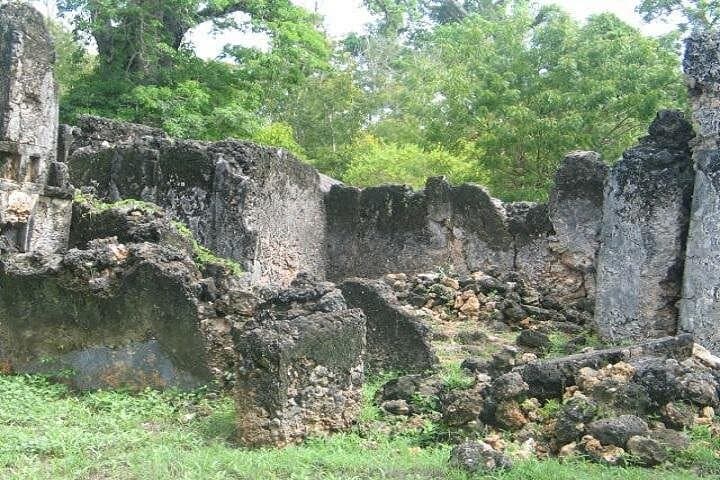
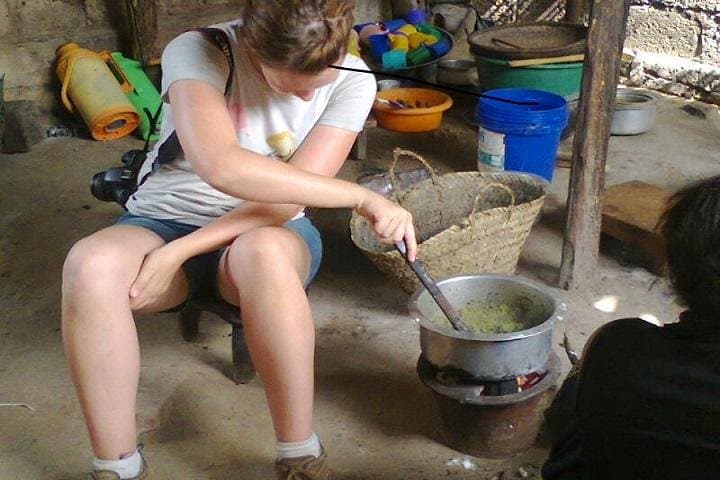
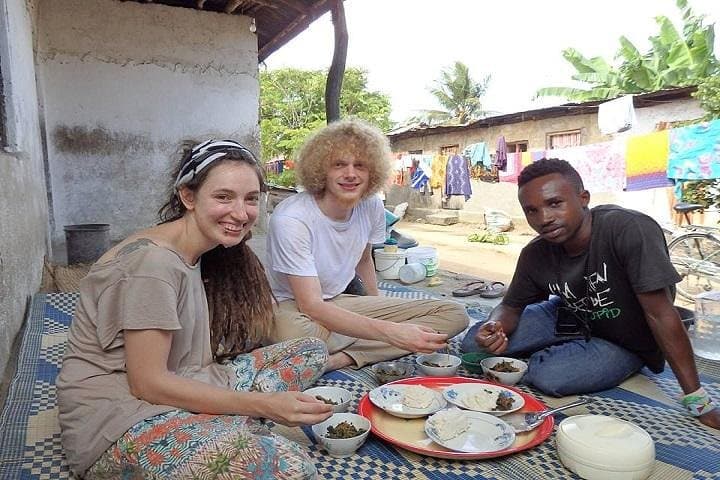
Over two days you move between Amboni Caves’ limestone chambers, where dripstone formations and narrow passages reveal the region’s karst geology, and the ruined swahili stone mosque of Tongoni, an archaeological trace of coastal trade. Visits to Tanga Museum and Pangani town add context: this coastline was a corridor for Arab traders, then a foothold for German and British colonial interests. Local culture centers on coastal Swahili life—coconut groves, smallholder farms, and a cuisine built on fresh fish, cassava, and coconut milk.
Practically, expect light walking on uneven earthen paths, single-track roads between sites, and a mix of guided site tours and free time for sampling local meals and coconut wine. Nights may be warm and humid; pack a light rain layer during the long rains (March–May). Bring sensible footwear for cave floors and ruins, a refillable water bottle, and insect protection for dusk walks. Confirm pickup details, accommodation, and admission inclusions at booking. This is a compact, approachable immersion into Tanzania’s coastal history—direct, tactile, and rooted in place.
easy.
2 days, 1 night.
Suitable for travelers in average physical condition; requires short periods of walking and some steps in caves and ruins.
This product is listed as a 2-day, 1-night tour; confirm the specific accommodation details and standards at booking.
Pickup arrangements are requested during booking—specify your pickup point so the operator can confirm logistics.
The itinerary is rated easy with light walking and short climbs; suitable for most fitness levels but requires navigating steps and uneven ground.
Bring a valid passport; many travelers to Tanzania require a visa—check entry requirements for your nationality before travel.
Tanga’s coast was a crossroads for Arab traders and later became a site of German and British colonial administration—architectural remains and museum displays map these eras.
Coastal habitats here are sensitive—limit single-use plastics, avoid disturbing mangroves and archaeological ruins, and follow local guides’ instructions to reduce impact.
Livan Cultural Tourism Enterprise-Tanzania operates guided outdoor trips and adventures with an emphasis on safety, stewardship, and memorable experiences.
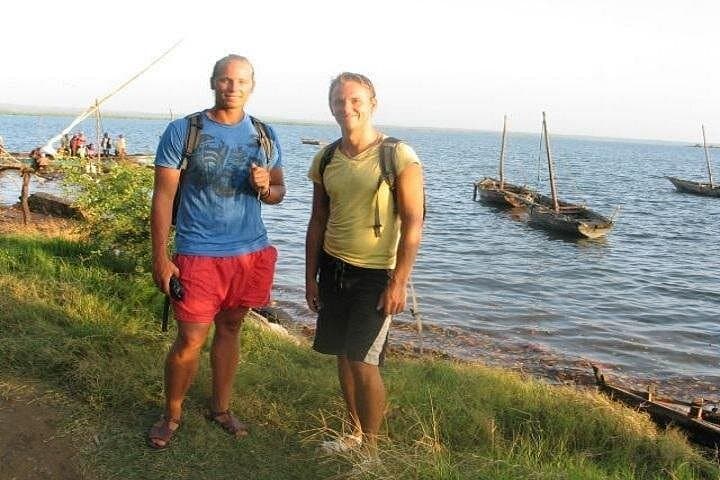
You arrive into Tanga as the late-afternoon light slants across corrugated roofs and the harbor hums with small fishing boats. Salt and coconut oil hang in the air; children practice cricket in shaded lanes while a distant church bell marks the hour. The city’s streets stitch together visible layers—Arab trading posts, German colonial stonework, and British administrative buildings—each era leaving a clear, tangible imprint.
You arrive into Tanga as the late-afternoon light slants across corrugated roofs and the harbor hums with small fishing boats. Salt and coconut oil hang in the air; children practice cricket in shaded lanes while a distant church bell marks the hour. The city’s streets stitch together visible layers—Arab trading posts, German colonial stonework, and British administrative buildings—each era leaving a clear, tangible imprint.
Over two days you move between Amboni Caves’ limestone chambers, where dripstone formations and narrow passages reveal the region’s karst geology, and the ruined swahili stone mosque of Tongoni, an archaeological trace of coastal trade. Visits to Tanga Museum and Pangani town add context: this coastline was a corridor for Arab traders, then a foothold for German and British colonial interests. Local culture centers on coastal Swahili life—coconut groves, smallholder farms, and a cuisine built on fresh fish, cassava, and coconut milk.
Practically, expect light walking on uneven earthen paths, single-track roads between sites, and a mix of guided site tours and free time for sampling local meals and coconut wine. Nights may be warm and humid; pack a light rain layer during the long rains (March–May). Bring sensible footwear for cave floors and ruins, a refillable water bottle, and insect protection for dusk walks. Confirm pickup details, accommodation, and admission inclusions at booking. This is a compact, approachable immersion into Tanzania’s coastal history—direct, tactile, and rooted in place.