THE ADVENTURE COLLECTIVE® · Independent discovery and booking for outdoor travel

Spend a day on one of Ghana’s historic cocoa farms outside Accra to see pod-to-bean processing, meet local farmers, and taste products made from single-estate cocoa. This guided tour blends agricultural history with practical, hands-on learning and a village lunch.
Spend a day on one of Ghana’s historic cocoa farms outside Accra to see pod-to-bean processing, meet local farmers, and taste products made from single-estate cocoa. This guided tour blends agricultural history with practical, hands-on learning and a village lunch.
You arrive before the sun fully loosens its hold, the road toward the farm lined with palms and scrub that smell faintly of earth and smoke. Steam rises from recent rains and the cocoa trees stand like rows of quiet sentries, pods lamped in yellow, red and green waiting to split under a farmer’s knife. Locals move with steady purpose — cracking pods, scooping out wet beans, and spreading them to ferment — and the air carries the bitter-sweet scent of raw chocolate in the making.
Verified experiences and guided adventures in the surrounding area.
Operated by Happy eagle tourism management · Accra, Greater Accra Region
You arrive before the sun fully loosens its hold, the road toward the farm lined with palms and scrub that smell faintly of earth and smoke. Steam rises from recent rains and the cocoa trees stand like rows of quiet sentries, pods lamped in yellow, red and green waiting to split under a farmer’s knife. Locals move with steady purpose — cracking pods, scooping out wet beans, and spreading them to ferment — and the air carries the bitter-sweet scent of raw chocolate in the making.
Cocoa shaped modern Ghana; the crop was established in the late 19th century and remains a backbone of rural livelihoods. Geologically the farms sit on weathered, lateritic soils common to southern Ghana, soils that retain enough moisture for shade-grown cocoa beneath taller canopy trees. Culturally the visit doubles as a window into village life: meals cooked over open flame, artisanal tools, and small-scale processing that yields flavors you won’t find in mass markets.
Expect roughly a half-day immersion with walking on uneven farm tracks (about 6–7 hours total including transport and lunch). Guides demonstrate pod harvesting, fermentation pits, and local recipes using cocoa byproducts. Practical tips: wear closed-toe shoes, bring insect repellent and a refillable water bottle, and plan for sun and sudden showers. Photography is welcome but ask before photographing people. The tour supports smallholders — buying farm-made products on-site helps the community directly.
This is an accessible, sensory-rich day that mixes agronomy, history, and hands-on craft: a clear, grounded way to see where chocolate begins and how it threads into Ghanaian daily life.
easy.
6–7 hours.
Suitable for most fitness levels; involves short walks on uneven ground and standing during demonstrations
Expect about 6–7 hours total including transport from Accra, a farm visit of around 2–3 hours, and lunch.
Yes — the itinerary includes a local lunch and snacks, often featuring cocoa-infused dishes.
The tour is family-friendly; infant seats are available in the vehicle but parents should supervise near tools and fermentation pits.
The farm has uneven ground and some slopes; it is not recommended for travelers with spinal, serious heart conditions, or for pregnant visitors.
Cocoa arrived in Ghana in the late 19th century and quickly became a dominant cash crop; the industry shaped settlement and trade patterns across southern Ghana.
Look for tours that promote shade-grown, smallholder practices; avoid leaving waste and ask about fair purchase options to support sustainable livelihoods.
Happy eagle tourism management operates guided outdoor trips and adventures with an emphasis on safety, stewardship, and memorable experiences.
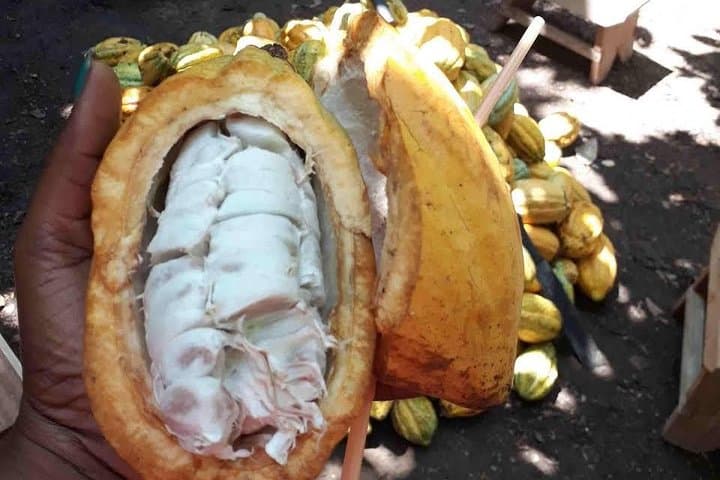
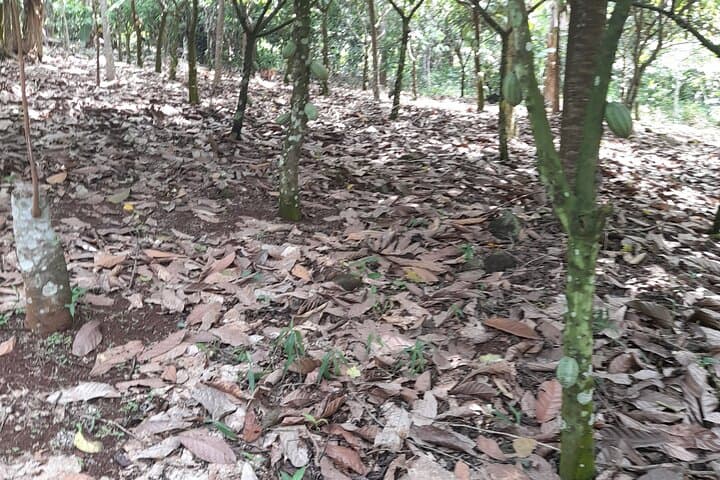
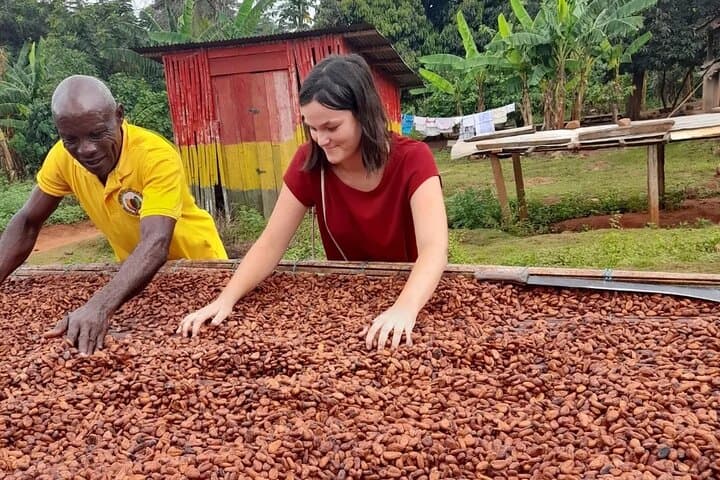
You arrive before the sun fully loosens its hold, the road toward the farm lined with palms and scrub that smell faintly of earth and smoke. Steam rises from recent rains and the cocoa trees stand like rows of quiet sentries, pods lamped in yellow, red and green waiting to split under a farmer’s knife. Locals move with steady purpose — cracking pods, scooping out wet beans, and spreading them to ferment — and the air carries the bitter-sweet scent of raw chocolate in the making.
You arrive before the sun fully loosens its hold, the road toward the farm lined with palms and scrub that smell faintly of earth and smoke. Steam rises from recent rains and the cocoa trees stand like rows of quiet sentries, pods lamped in yellow, red and green waiting to split under a farmer’s knife. Locals move with steady purpose — cracking pods, scooping out wet beans, and spreading them to ferment — and the air carries the bitter-sweet scent of raw chocolate in the making.
Cocoa shaped modern Ghana; the crop was established in the late 19th century and remains a backbone of rural livelihoods. Geologically the farms sit on weathered, lateritic soils common to southern Ghana, soils that retain enough moisture for shade-grown cocoa beneath taller canopy trees. Culturally the visit doubles as a window into village life: meals cooked over open flame, artisanal tools, and small-scale processing that yields flavors you won’t find in mass markets.
Expect roughly a half-day immersion with walking on uneven farm tracks (about 6–7 hours total including transport and lunch). Guides demonstrate pod harvesting, fermentation pits, and local recipes using cocoa byproducts. Practical tips: wear closed-toe shoes, bring insect repellent and a refillable water bottle, and plan for sun and sudden showers. Photography is welcome but ask before photographing people. The tour supports smallholders — buying farm-made products on-site helps the community directly.
This is an accessible, sensory-rich day that mixes agronomy, history, and hands-on craft: a clear, grounded way to see where chocolate begins and how it threads into Ghanaian daily life.