THE ADVENTURE COLLECTIVE® · Independent discovery and booking for outdoor travel

Walk Oaxaca’s historic streets with a chef-journalist to taste four iconic street foods and end with a mezcal toast. This 2–3 hour tour pairs culinary history with hands-on tastings at family-run stalls.
Walk Oaxaca’s historic streets with a chef-journalist to taste four iconic street foods and end with a mezcal toast. This 2–3 hour tour pairs culinary history with hands-on tastings at family-run stalls.
The tour begins on a sun-warmed plaza where corn grills a slow perfume into the air and vendors call recipes across cobbled streets. You move like a local—close to the stalls, tracing the steam of tortillas and the slick of salsa as a chef-journalist points out the family recipes behind each bite. The city is both stage and pantry: colonial stone facades, church bells, and alleys where fruit vendors line up like color-coded offerings.
Verified experiences and guided adventures in the surrounding area.
Operated by aquetesabe · Oaxaca City, Oaxaca
The tour begins on a sun-warmed plaza where corn grills a slow perfume into the air and vendors call recipes across cobbled streets. You move like a local—close to the stalls, tracing the steam of tortillas and the slick of salsa as a chef-journalist points out the family recipes behind each bite. The city is both stage and pantry: colonial stone facades, church bells, and alleys where fruit vendors line up like color-coded offerings.
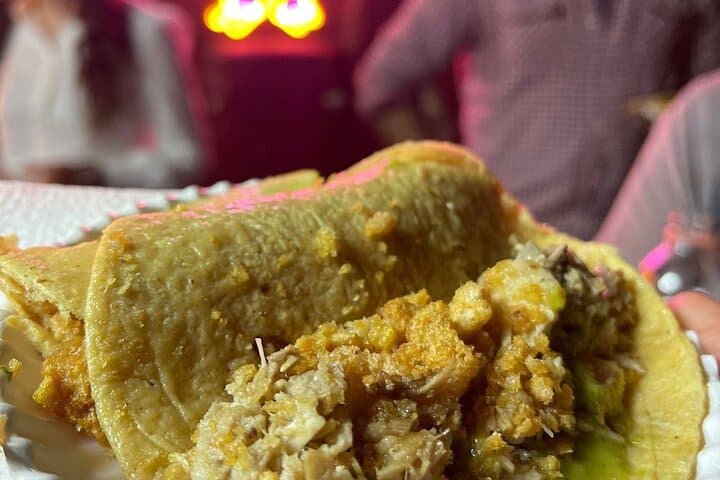
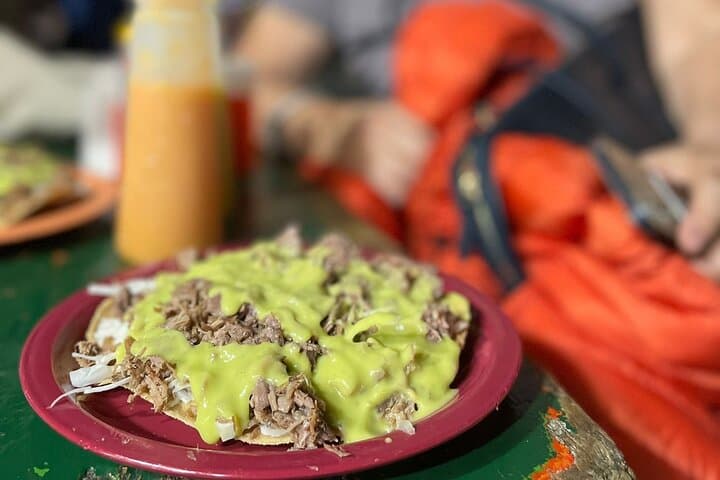
Oaxaca sits in a highland basin framed by the Sierra Madre del Sur; its food history is a layered map of Zapotec and Mixtec traditions, Spanish ingredients, and regional trade. Expect conversations about nixtamalized corn, mole variations, and mezcal’s agave-fired lineage. The walking tour focuses on generational vendors—tostadas, tacos, pickled fruits and bold corn preparations—framed with cultural context that links recipes to neighborhoods and family stories.
Practically, the tour runs 2–3 hours over mostly flat, pedestrian streets in the historic center. Wear closed-toe walking shoes for cobbles and occasional market dust. Bring small bills for extra tastings and any purchases—many stands prefer cash. If you have dietary restrictions tell the guide in advance; the guide can suggest vegetarian options but many dishes include lard or meat stocks. Hydrate between tastings—mezcal arrives as a ceremonial closer, not a mixer for the heat.
Plan to start mid-morning to avoid afternoon rain in summer and to enjoy markets at their liveliest. The experience is low-impact but culturally intense: food, stories, and short walks that make the city’s culinary identity tasteable and immediate.
easy.
2–3 hours.
Suitable for most fitness levels; involves several short standing stops and walking on uneven cobbles.
The experience lasts approximately 2–3 hours and covers the historic center with multiple tasting stops.
Yes—notify the operator when booking; the guide can choose stops and suggest plant-based options, but some traditional dishes may include animal stock or lard.
Yes, but consider spice levels and portion sizes; the guide can adjust tastings for younger guests.
No—mobile tickets are accepted, but bring ID if requested and arrive at the agreed meeting point a few minutes early.
Oaxaca’s food culture combines centuries-old Zapotec and Mixtec traditions with Spanish-introduced ingredients; many street recipes are handed down through generations.
Support vendors who use local, seasonal produce; avoid single-use plastics by carrying a reusable bottle and refuse unnecessary packaging.
aquetesabe operates guided outdoor trips and adventures with an emphasis on safety, stewardship, and memorable experiences.
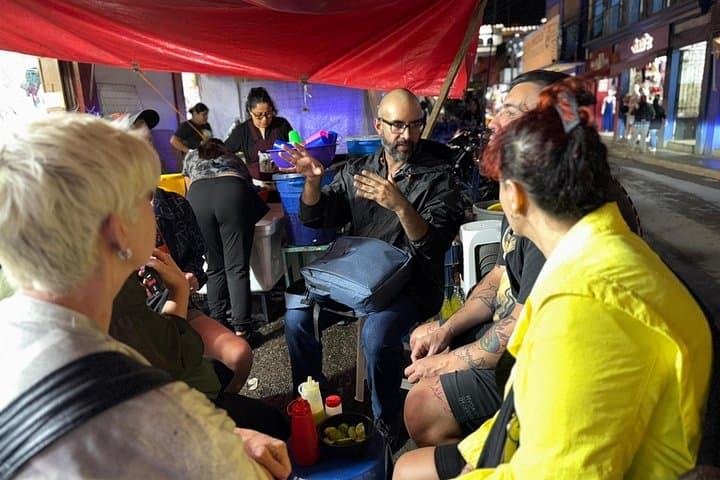

The tour begins on a sun-warmed plaza where corn grills a slow perfume into the air and vendors call recipes across cobbled streets. You move like a local—close to the stalls, tracing the steam of tortillas and the slick of salsa as a chef-journalist points out the family recipes behind each bite. The city is both stage and pantry: colonial stone facades, church bells, and alleys where fruit vendors line up like color-coded offerings.
The tour begins on a sun-warmed plaza where corn grills a slow perfume into the air and vendors call recipes across cobbled streets. You move like a local—close to the stalls, tracing the steam of tortillas and the slick of salsa as a chef-journalist points out the family recipes behind each bite. The city is both stage and pantry: colonial stone facades, church bells, and alleys where fruit vendors line up like color-coded offerings.
Oaxaca sits in a highland basin framed by the Sierra Madre del Sur; its food history is a layered map of Zapotec and Mixtec traditions, Spanish ingredients, and regional trade. Expect conversations about nixtamalized corn, mole variations, and mezcal’s agave-fired lineage. The walking tour focuses on generational vendors—tostadas, tacos, pickled fruits and bold corn preparations—framed with cultural context that links recipes to neighborhoods and family stories.
Practically, the tour runs 2–3 hours over mostly flat, pedestrian streets in the historic center. Wear closed-toe walking shoes for cobbles and occasional market dust. Bring small bills for extra tastings and any purchases—many stands prefer cash. If you have dietary restrictions tell the guide in advance; the guide can suggest vegetarian options but many dishes include lard or meat stocks. Hydrate between tastings—mezcal arrives as a ceremonial closer, not a mixer for the heat.
Plan to start mid-morning to avoid afternoon rain in summer and to enjoy markets at their liveliest. The experience is low-impact but culturally intense: food, stories, and short walks that make the city’s culinary identity tasteable and immediate.