THE ADVENTURE COLLECTIVE® · Independent discovery and booking for outdoor travel

Walk the maze of Fes’s medina and let the city’s flavors lead the way: street soups, flaky pastries and mint tea served with practiced flair. This guided culinary stroll pairs history and hands-on tasting for a real taste of Fassi life.
Walk the maze of Fes’s medina and let the city’s flavors lead the way: street soups, flaky pastries and mint tea served with practiced flair. This guided culinary stroll pairs history and hands-on tasting for a real taste of Fassi life.
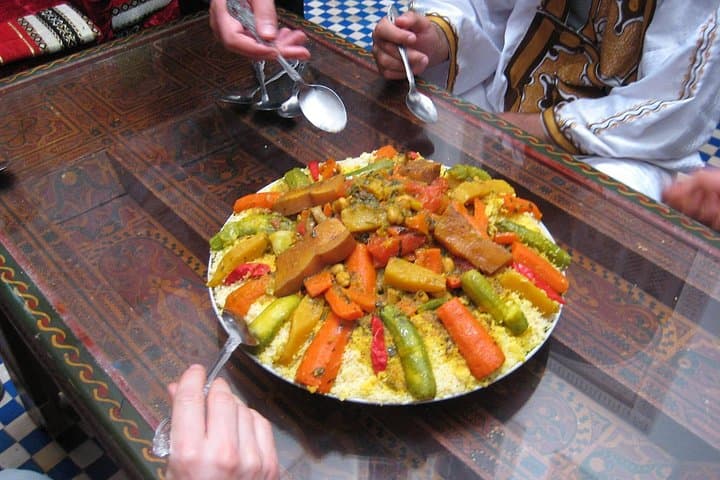
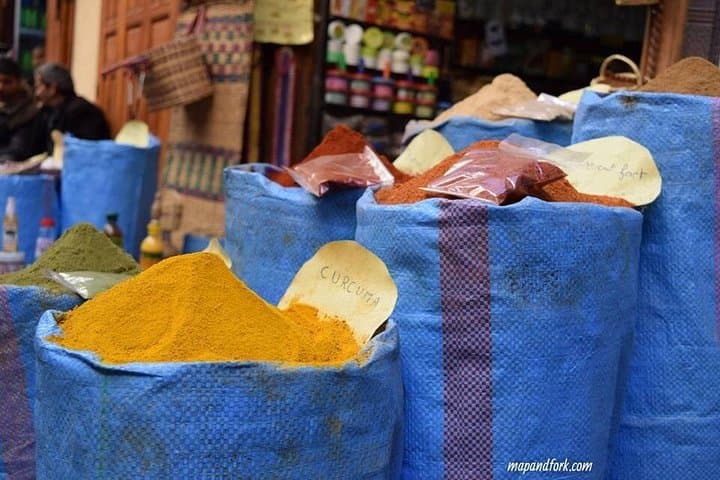
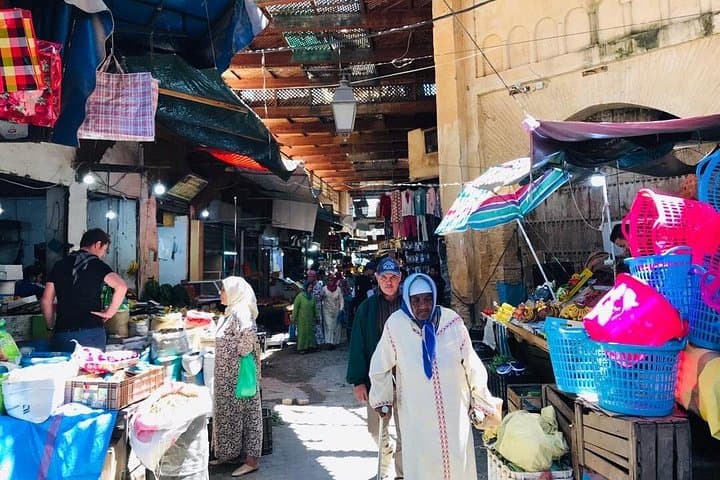
You step from a narrow alley into a courtyard where steam rises from tagine pots and the air is thick with cumin, cinnamon and toasted sesame. The medina’s lanes lean in close, vendors calling, spices daring you to pick a handful and judge for yourself. This is Fes not as a postcard but as a nervous, fragrant marketplace that feeds a city.
Verified experiences and guided adventures in the surrounding area.
Operated by Morocco tours S · Fes, Fès-Meknès
You step from a narrow alley into a courtyard where steam rises from tagine pots and the air is thick with cumin, cinnamon and toasted sesame. The medina’s lanes lean in close, vendors calling, spices daring you to pick a handful and judge for yourself. This is Fes not as a postcard but as a nervous, fragrant marketplace that feeds a city.
The medina of Fes dates to the 9th century and grew as a center of learning and craft; its markets still map trades by street — pottery, leather, spices — and the flavors echo Berber, Arab and Andalusian influences. Many foods here trace techniques older than the streets they’re sold on: slow-cooked mechoui, chickpea bissara, flaky pastilla and the ever-present mint tea poured in long, precise arcs.
On a culinary walk you’ll move at a local pace — short stops at stalls, a taste shared at a bakery, a lesson in tea-making with a Fassi host. Expect uneven cobbles, sudden crowds and pungent smells from tanneries that are part history lesson, part sensory jolt. Practical notes: bring cash in small bills, carry water and hand sanitizer, and wear closed-toe shoes for the alleys. If you have dietary needs, tell guides in advance — most vendors will adapt portions or point to suitable choices.
A guided food tour here is as much about learning how the city eats as it is about tasting: watch how a vendor layers flavors, listen for the rhythm of calls, and leave room to be surprised.
easy.
1–3 hours.
Suitable for people who can walk on uneven ground for up to a few hours and stand for food tastings.
Lunch is not included on most Fes culinary walks; the tour focuses on multiple small tastings—confirm with the operator if you want a full meal added.
Yes—most guides can point to vegetarian options and communicate allergies to vendors if informed in advance.
Tours typically meet at a central medina entrance or landmark; expect narrow alleys and uneven surfaces which may limit wheelchair access.
Bring enough cash for additional purchases and tips—small coins and bills (50–200 MAD) are useful for multiple tastings.
Fes was founded in the 9th century and became Morocco’s cultural and spiritual center; the medina preserves centuries-old crafts and market patterns.
High foot traffic challenges narrow medina streets—choose tours that support local vendors, minimize single-use plastics and follow waste-conscious practices.
Morocco tours S operates guided outdoor trips and adventures with an emphasis on safety, stewardship, and memorable experiences.
You step from a narrow alley into a courtyard where steam rises from tagine pots and the air is thick with cumin, cinnamon and toasted sesame. The medina’s lanes lean in close, vendors calling, spices daring you to pick a handful and judge for yourself. This is Fes not as a postcard but as a nervous, fragrant marketplace that feeds a city.
You step from a narrow alley into a courtyard where steam rises from tagine pots and the air is thick with cumin, cinnamon and toasted sesame. The medina’s lanes lean in close, vendors calling, spices daring you to pick a handful and judge for yourself. This is Fes not as a postcard but as a nervous, fragrant marketplace that feeds a city.
The medina of Fes dates to the 9th century and grew as a center of learning and craft; its markets still map trades by street — pottery, leather, spices — and the flavors echo Berber, Arab and Andalusian influences. Many foods here trace techniques older than the streets they’re sold on: slow-cooked mechoui, chickpea bissara, flaky pastilla and the ever-present mint tea poured in long, precise arcs.
On a culinary walk you’ll move at a local pace — short stops at stalls, a taste shared at a bakery, a lesson in tea-making with a Fassi host. Expect uneven cobbles, sudden crowds and pungent smells from tanneries that are part history lesson, part sensory jolt. Practical notes: bring cash in small bills, carry water and hand sanitizer, and wear closed-toe shoes for the alleys. If you have dietary needs, tell guides in advance — most vendors will adapt portions or point to suitable choices.
A guided food tour here is as much about learning how the city eats as it is about tasting: watch how a vendor layers flavors, listen for the rhythm of calls, and leave room to be surprised.