THE ADVENTURE COLLECTIVE® · Independent discovery and booking for outdoor travel

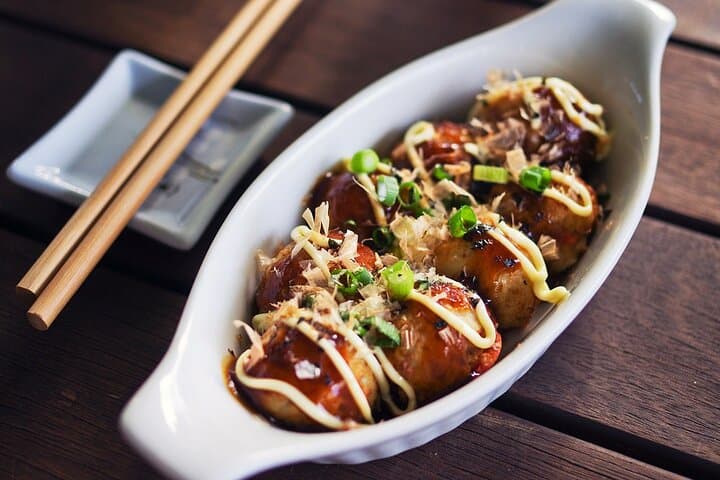
Explore Dotonbori at your own pace on a self-guided street food loop. Taste takoyaki, okonomiyaki, purin and other Osaka classics while learning local etiquette and timing to avoid the crowds.
Explore Dotonbori at your own pace on a self-guided street food loop. Taste takoyaki, okonomiyaki, purin and other Osaka classics while learning local etiquette and timing to avoid the crowds.
You step off the subway into a corridor of neon and steam, the canal reflecting rows of signs as the scent of batter and sweet sauce pulls you toward Dotonbori's busiest walkways. The Glico Running Man watches over the crowd while vendors flip takoyaki and grill okonomiyaki on flat irons that hiss like small furnaces.
Verified experiences and guided adventures in the surrounding area.
Operated by Foodprint Tours · Osaka, Osaka Prefecture
You step off the subway into a corridor of neon and steam, the canal reflecting rows of signs as the scent of batter and sweet sauce pulls you toward Dotonbori's busiest walkways. The Glico Running Man watches over the crowd while vendors flip takoyaki and grill okonomiyaki on flat irons that hiss like small furnaces.
Dotonbori grew from a 17th-century entertainment and theatre district into Osaka’s culinary crossroads; the canal and bridges are both transport routes and stages for the city’s nightly energy. Geologically, you're on the alluvial plain of the Yodo River — flat ground that encouraged dense streets and long market rows rather than high ridges or climbs. Culturally, Osaka prizes bold flavors and welcoming, down-to-earth hospitality: food here is about immediacy and sharing.
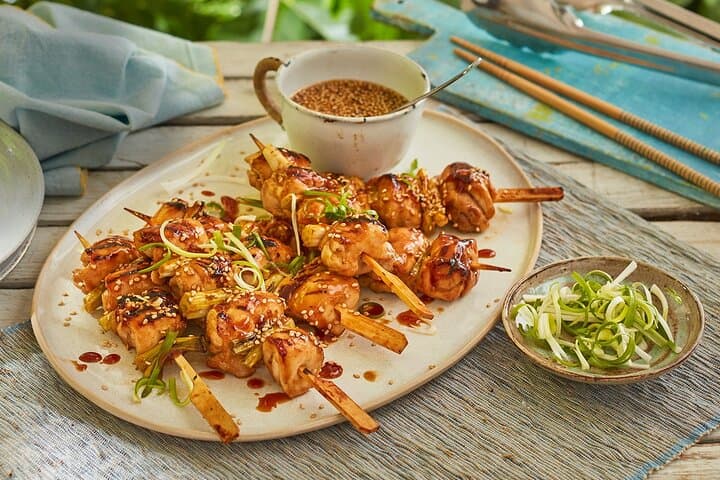
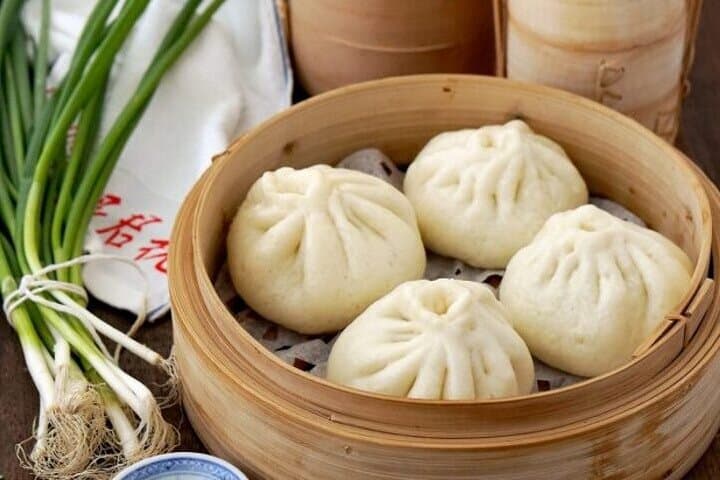
Expect savory, handheld bites (takoyaki, yakitori, nikuman) and sweets (purin, matcha tarts) as you map your own rhythm through alleys and covered arcades. Time your route to avoid the worst dinner crush — early evening sees peak crowds. Carry small bills; many stalls are cash-friendly and may not accept cards. Walk light: comfortable shoes, a reusable napkin, and a plan to sample, not full meals, at each stop.
Practical pacing matters: a 2–3 hour loop gives room for 8+ tastings and photos at the Glico sign without rushing. Stay aware of pedestrian flow and food etiquette — don’t eat while blocking storefronts, and dispose of trash at designated bins. Follow the canal toward side streets to find quieter vendors and unique local flavors.
easy.
2–3 hours.
Light walking fitness; able to stand and walk for several short intervals over a couple hours.
Vegetarian/vegan choices are limited in this tour; many iconic items contain seafood, meat, or dashi — check individual vendors or look for vegetable-only stalls.
This self-guided experience uses a mobile or paper ticket; follow the booking link and show your ticket on arrival or as instructed in confirmation details.
Tipping is not customary in Japan; pay the listed price and express thanks verbally instead.
Infants must sit on an adult’s lap; while the main Dotonbori area is largely flat, narrow crowded alleys and steps at some stalls may limit wheelchair accessibility — plan routes accordingly.
Dotonbori began as an Edo-period entertainment district and evolved into Osaka’s culinary hub, its neon signs and bridges tracing centuries of urban life.
Street food generates fast waste; bring a small bag for wrappers, use bins provided, and opt for reusable utensils to reduce single-use plastic.
Foodprint Tours operates guided outdoor trips and adventures with an emphasis on safety, stewardship, and memorable experiences.
You step off the subway into a corridor of neon and steam, the canal reflecting rows of signs as the scent of batter and sweet sauce pulls you toward Dotonbori's busiest walkways. The Glico Running Man watches over the crowd while vendors flip takoyaki and grill okonomiyaki on flat irons that hiss like small furnaces.
You step off the subway into a corridor of neon and steam, the canal reflecting rows of signs as the scent of batter and sweet sauce pulls you toward Dotonbori's busiest walkways. The Glico Running Man watches over the crowd while vendors flip takoyaki and grill okonomiyaki on flat irons that hiss like small furnaces.
Dotonbori grew from a 17th-century entertainment and theatre district into Osaka’s culinary crossroads; the canal and bridges are both transport routes and stages for the city’s nightly energy. Geologically, you're on the alluvial plain of the Yodo River — flat ground that encouraged dense streets and long market rows rather than high ridges or climbs. Culturally, Osaka prizes bold flavors and welcoming, down-to-earth hospitality: food here is about immediacy and sharing.
Expect savory, handheld bites (takoyaki, yakitori, nikuman) and sweets (purin, matcha tarts) as you map your own rhythm through alleys and covered arcades. Time your route to avoid the worst dinner crush — early evening sees peak crowds. Carry small bills; many stalls are cash-friendly and may not accept cards. Walk light: comfortable shoes, a reusable napkin, and a plan to sample, not full meals, at each stop.
Practical pacing matters: a 2–3 hour loop gives room for 8+ tastings and photos at the Glico sign without rushing. Stay aware of pedestrian flow and food etiquette — don’t eat while blocking storefronts, and dispose of trash at designated bins. Follow the canal toward side streets to find quieter vendors and unique local flavors.