THE ADVENTURE COLLECTIVE® · Independent discovery and booking for outdoor travel

Handle cacao pods, press raw sugarcane, and smell coffee as it roasts on a family-run finca near Arenal. This short, sensory tour in La Fortuna blends hands-on tasting with clear explanations of cultivation and sustainable practices.
Handle cacao pods, press raw sugarcane, and smell coffee as it roasts on a family-run finca near Arenal. This short, sensory tour in La Fortuna blends hands-on tasting with clear explanations of cultivation and sustainable practices.
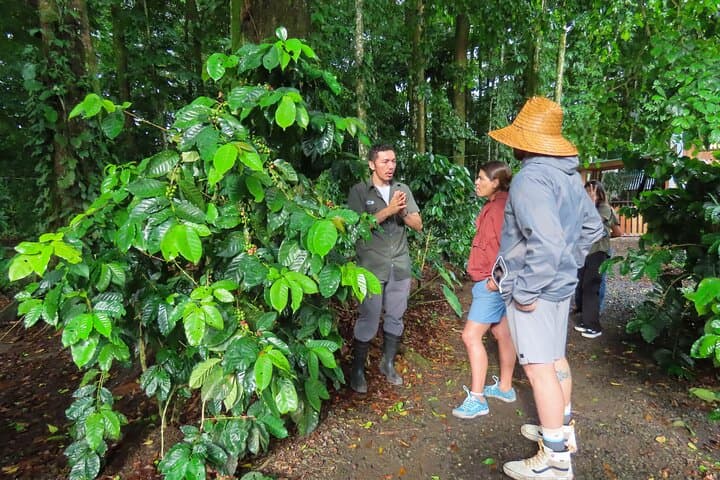
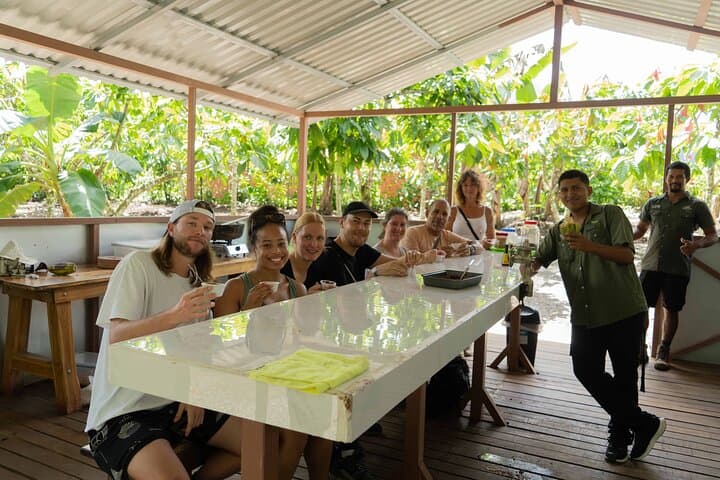
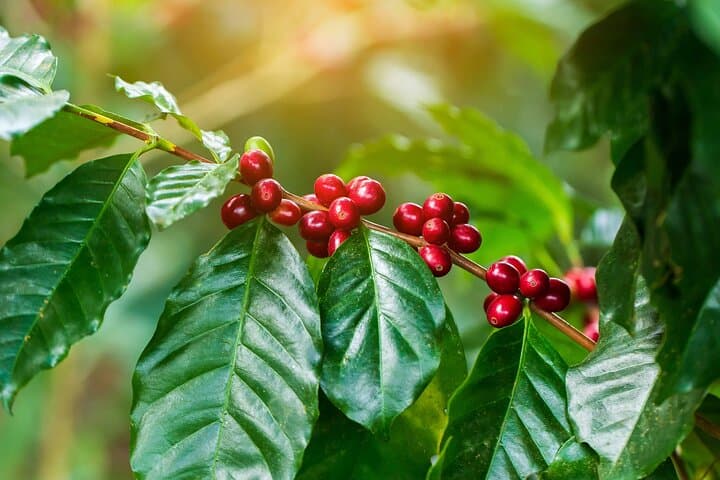
You step off the finca trail into the smell of warm earth and roasting beans—steam rising like a promise against the distant cone of Arenal. Guides move between shade trees and fermentation pits, inviting you to handle glossy cacao pods, press sweet sugarcane, and grind coffee beans the old way. The walk is short, sensory, and hands-on: the crack of a bean, the sticky sweetness of freshly pressed cane, the hush when a guide explains roasting by aroma rather than recipe.
Verified experiences and guided adventures in the surrounding area.
Operated by Sloth Watching Trail · La Fortuna, Alajuela
You step off the finca trail into the smell of warm earth and roasting beans—steam rising like a promise against the distant cone of Arenal. Guides move between shade trees and fermentation pits, inviting you to handle glossy cacao pods, press sweet sugarcane, and grind coffee beans the old way. The walk is short, sensory, and hands-on: the crack of a bean, the sticky sweetness of freshly pressed cane, the hush when a guide explains roasting by aroma rather than recipe.
Coffee and cacao have shaped Costa Rica’s modern identity. Coffee cultivation expanded through the 19th century, fueling roads and towns; cacao’s history stretches further back, used by indigenous peoples long before colonial farms converted land for export crops. In La Fortuna the story is geological as much as cultural—volcanic soils from Arenal make for mineral-rich growing grounds that influence acidity and chocolate depth.
Locals run many of these small operations, so the experience blends demonstration with participation: you’ll husk, roast, taste and compare. Expect clear explanations about planting cycles, fermentation, and sustainable practices common among boutique farms here.
Practical notes: the tour is short (about 90 minutes) and largely flat with brief steps and platforms—good for most fitness levels and wheelchair accessible in many facilities. Bring a light rain layer during wet months, closed-toe shoes for working demonstrations, and a reusable bottle. Arrive with curiosity and small bills if you want to buy fresh-roasted beans or artisanal chocolate—these are direct-support purchases that benefit local producers.
easy.
1–1.5 hours.
Light activity—suitable for most adults and children able to walk short distances; minimal elevation change.
The experience runs about 90 minutes and is designed as a short, hands-on cultural tour with tasting.
Some packages include private transportation—check your booking details; the activity listing notes private transport as an inclusion on many departures.
Many facilities state wheelchair and stroller accessibility; inform the operator of mobility needs when booking to confirm access and any accommodations.
Yes—coffee and chocolate tastings plus a sample of raw sugarcane are typically part of the tour; small purchases are available on site.
Coffee became a major Costa Rican export in the 19th century and financed much of the country’s early infrastructure; cacao has pre-colonial roots and a renewed artisanal market today.
Many boutique farms practice shade-grown coffee and reduced-chemical methods to protect forest fragments; buying direct supports sustainable producers and local economies.
Sloth Watching Trail operates guided outdoor trips and adventures with an emphasis on safety, stewardship, and memorable experiences.

You step off the finca trail into the smell of warm earth and roasting beans—steam rising like a promise against the distant cone of Arenal. Guides move between shade trees and fermentation pits, inviting you to handle glossy cacao pods, press sweet sugarcane, and grind coffee beans the old way. The walk is short, sensory, and hands-on: the crack of a bean, the sticky sweetness of freshly pressed cane, the hush when a guide explains roasting by aroma rather than recipe.
You step off the finca trail into the smell of warm earth and roasting beans—steam rising like a promise against the distant cone of Arenal. Guides move between shade trees and fermentation pits, inviting you to handle glossy cacao pods, press sweet sugarcane, and grind coffee beans the old way. The walk is short, sensory, and hands-on: the crack of a bean, the sticky sweetness of freshly pressed cane, the hush when a guide explains roasting by aroma rather than recipe.
Coffee and cacao have shaped Costa Rica’s modern identity. Coffee cultivation expanded through the 19th century, fueling roads and towns; cacao’s history stretches further back, used by indigenous peoples long before colonial farms converted land for export crops. In La Fortuna the story is geological as much as cultural—volcanic soils from Arenal make for mineral-rich growing grounds that influence acidity and chocolate depth.
Locals run many of these small operations, so the experience blends demonstration with participation: you’ll husk, roast, taste and compare. Expect clear explanations about planting cycles, fermentation, and sustainable practices common among boutique farms here.
Practical notes: the tour is short (about 90 minutes) and largely flat with brief steps and platforms—good for most fitness levels and wheelchair accessible in many facilities. Bring a light rain layer during wet months, closed-toe shoes for working demonstrations, and a reusable bottle. Arrive with curiosity and small bills if you want to buy fresh-roasted beans or artisanal chocolate—these are direct-support purchases that benefit local producers.