THE ADVENTURE COLLECTIVE® · Independent discovery and booking for outdoor travel

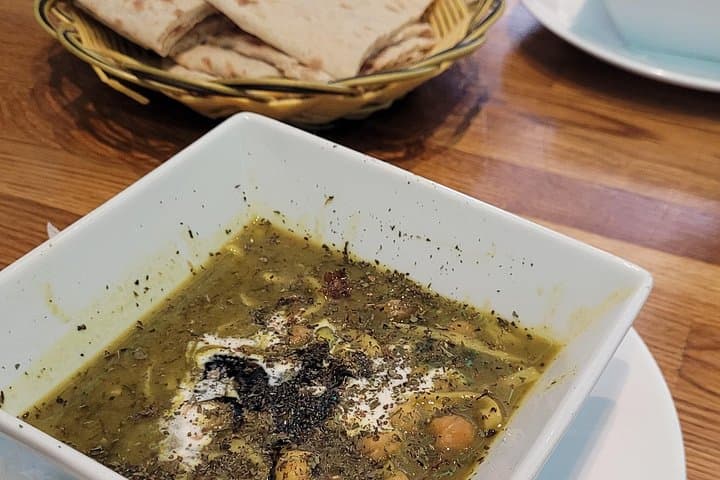
Walk through Linden’s markets and former factory streets on a 2–3 hour guided food and history tour. Sample snacks at longtime restaurants while guides explain the neighborhood’s industrial past and evolving food scene.
Walk through Linden’s markets and former factory streets on a 2–3 hour guided food and history tour. Sample snacks at longtime restaurants while guides explain the neighborhood’s industrial past and evolving food scene.
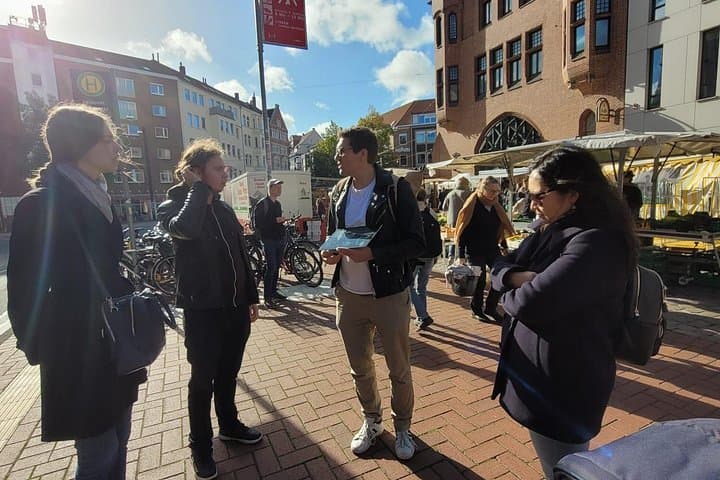
You step off the tram and the street exhales: frying onions, fresh bread, the sharp pull of coffee. Hanover’s Linden neighborhood unfolds as a working-class district that never stopped evolving — markets, murals, and small family kitchens lined along Limmerstraße that dare you to slow down and taste.
Verified experiences and guided adventures in the surrounding area.
Operated by Hendrik Seiffert · Hanover, Lower Saxony
You step off the tram and the street exhales: frying onions, fresh bread, the sharp pull of coffee. Hanover’s Linden neighborhood unfolds as a working-class district that never stopped evolving — markets, murals, and small family kitchens lined along Limmerstraße that dare you to slow down and taste.
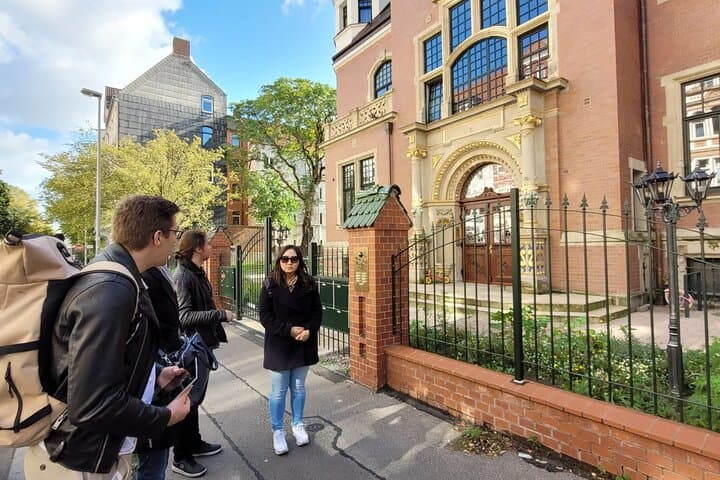
Linden began life as one of the largest villages in Prussia before 19th-century industrialization reshaped its blocks and skyline. The tour threads that history into place: former factory façades, market squares where merchants and neighbors still trade today, and the Faust cultural center born from an industrial past.
Geologically the ground is flat northern German plain, so expect easy pavement walking with negligible elevation gain; the route covers roughly 2–3 km across Linden-Mitte and Linden-Nord. Culturally, this is a district of immigrant flavors, student creativity, and long-running taverns — snacks on the itinerary reflect both traditional German fare and newer global influences.
Practically, the experience is a 2–3 hour guided walk with five 20–30 minute stops at markets and restaurants. Wear supportive shoes for cobbles and sidewalks, bring a small water bottle, and flag dietary needs when booking. Public transport links run close by and the route is wheelchair accessible, but expect narrow interiors at some historic eateries.
Go mid-morning or early evening to catch market activity and cooler temperatures. Take cash and a contactless card, keep pace with the group, and leave room for second helpings — Linden rewards curiosity and appetite in equal measure.
easy.
2–3 hours.
Moderate — able to stand and walk for a couple of hours with short breaks
Yes — the tour includes a selection of snacks at the listed restaurants and market stops; additional purchases are at your own cost.
The route and transportation options are wheelchair accessible, though some historic restaurant interiors may be narrow; contact the operator for specific accessibility needs.
Yes — inform the operator at booking so guides can arrange alternative snacks where possible.
This listing is typically conducted in English (check the product page for availability and any multilingual options).
Linden was once the largest village in Prussia and transformed into an industrial working-class district in the 19th century; traces of that era remain in factories-turned-cultural-spaces.
Support local vendors and bring reusable bottles to reduce single-use waste; follow market rules and avoid blocking stalls to keep pedestrian flow and businesses sustainable.
Hendrik Seiffert operates guided outdoor trips and adventures with an emphasis on safety, stewardship, and memorable experiences.

You step off the tram and the street exhales: frying onions, fresh bread, the sharp pull of coffee. Hanover’s Linden neighborhood unfolds as a working-class district that never stopped evolving — markets, murals, and small family kitchens lined along Limmerstraße that dare you to slow down and taste.
You step off the tram and the street exhales: frying onions, fresh bread, the sharp pull of coffee. Hanover’s Linden neighborhood unfolds as a working-class district that never stopped evolving — markets, murals, and small family kitchens lined along Limmerstraße that dare you to slow down and taste.
Linden began life as one of the largest villages in Prussia before 19th-century industrialization reshaped its blocks and skyline. The tour threads that history into place: former factory façades, market squares where merchants and neighbors still trade today, and the Faust cultural center born from an industrial past.
Geologically the ground is flat northern German plain, so expect easy pavement walking with negligible elevation gain; the route covers roughly 2–3 km across Linden-Mitte and Linden-Nord. Culturally, this is a district of immigrant flavors, student creativity, and long-running taverns — snacks on the itinerary reflect both traditional German fare and newer global influences.
Practically, the experience is a 2–3 hour guided walk with five 20–30 minute stops at markets and restaurants. Wear supportive shoes for cobbles and sidewalks, bring a small water bottle, and flag dietary needs when booking. Public transport links run close by and the route is wheelchair accessible, but expect narrow interiors at some historic eateries.
Go mid-morning or early evening to catch market activity and cooler temperatures. Take cash and a contactless card, keep pace with the group, and leave room for second helpings — Linden rewards curiosity and appetite in equal measure.