THE ADVENTURE COLLECTIVE® · Independent discovery and booking for outdoor travel

Walk the UNESCO canal ring and taste Amsterdam’s history in ten small bites. This intimate 3‑hour food tour through the Jordaan and Nine Streets pairs local stories with classic Dutch flavors.
Walk the UNESCO canal ring and taste Amsterdam’s history in ten small bites. This intimate 3‑hour food tour through the Jordaan and Nine Streets pairs local stories with classic Dutch flavors.
A morning bell peels over brick canal houses as you step beneath a low cellar door to begin an edible walk through Amsterdam’s oldest neighborhoods.
Verified experiences and guided adventures in the surrounding area.
Operated by Adam & Eve Amsterdam Food Tours · Amsterdam, North Holland
A morning bell peels over brick canal houses as you step beneath a low cellar door to begin an edible walk through Amsterdam’s oldest neighborhoods.
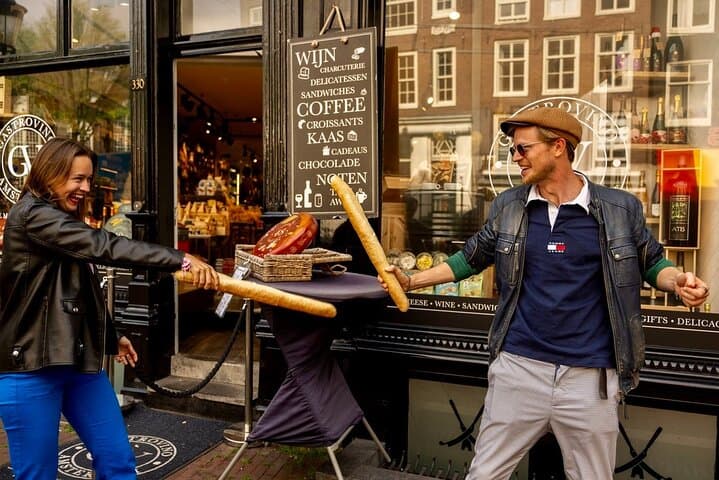
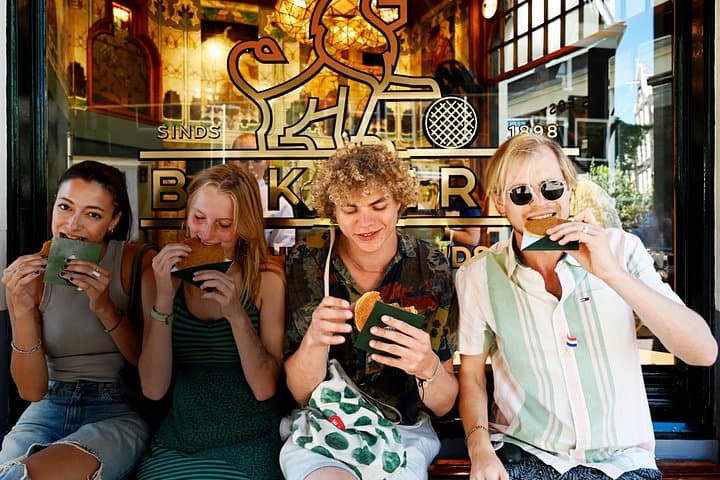
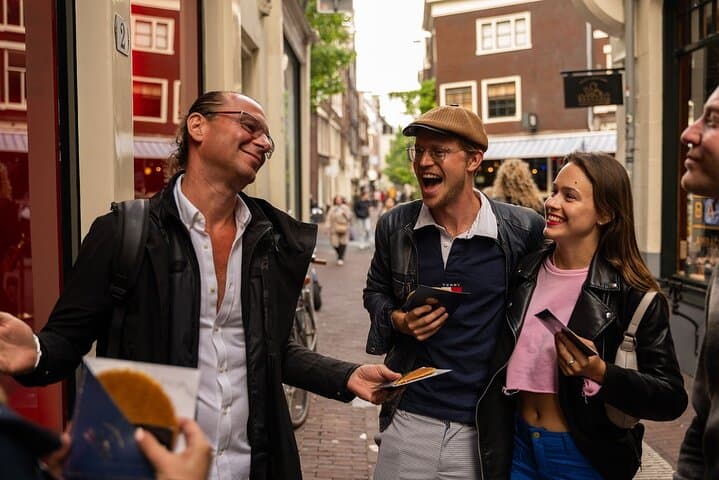
You’ll move at a steady, sociable pace — the tour covers about 2.5 km (1.5 miles) between Gastrovino’s cheese cellar, the Nine Streets, Spui, and the Jordaan — pausing at intimate shops, a 200‑year‑old stroopwafel bakery, a brown pub, and a fishmonger that still sells traditional herring.
This route traces Amsterdam’s Golden Age: merchant cellars became tasting rooms and Indonesian and Surinamese flavors arrived via colonial trade. Geology here is human-made — reclaimed peat and wooden piles support the canal-ring city — and the canals themselves shaped where markets and taverns clustered.
Local guides weave cultural notes with food lore: why Gouda matured in merchant cellars, where sailors long drank in brown cafés, and how tulip mania and spice routes altered Dutch tables.
Practical guidance is straightforward. Wear comfortable shoes and expect short standing tastings with limited seating. Many stops offer vegetarian or pescatarian options; gluten‑free is possible but better on private or earlier tours. Carry a small daypack for rain protection and any purchases.
Timings matter: herring and some specialty stalls close early, so morning or early‑afternoon departures give the fullest menu. The group size (max ~10) keeps lines short and conversation lively.
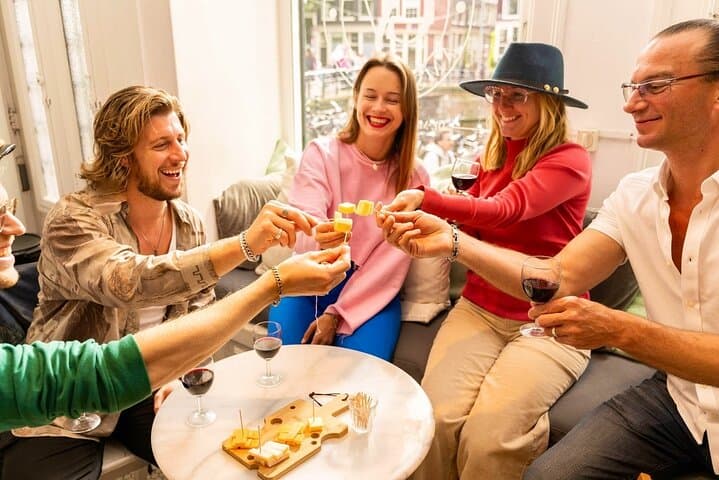
By the end you’ll have sampled ten-plus bites — stroopwafel, artisanal Gouda, poffertjes, Dutch chocolates, bitterballen, and a toast of jenever — and a compact, flavorful primer on Amsterdam’s history and food culture.
easy.
2.5–3 hours.
Suitable for most fitness levels; comfortable standing and walking ~1.5 miles with occasional stairs at venues.
Expect 10+ small tastings across 5+ stops—enough to replace a meal but focused on sampling rather than a full plate at each venue.
Yes—children are welcome and strollers are manageable, though some venues have steps and limited seating; notify the operator if mobility is a concern.
Many stops can offer gluten‑free options, especially on early tours; for entirely gluten‑free menus, book a private tour so the route can be tailored.
Starts near Dam Square (cheese cellar) with the route winding through the canal ring and often ending within a 10–15 minute walk of the Anne Frank House or Westermarkt.
The canal ring and Jordaan grew during Amsterdam’s Golden Age (17th century), when trade and shipping turned a small fishing village into a global hub, reflected today in its cafes and spice‑influenced dishes.
Canal traffic and high footfall stress historic structures—follow local guidance, avoid littering, and choose refillable water and reusable bags to reduce waste.
Adam & Eve Amsterdam Food Tours operates guided outdoor trips and adventures with an emphasis on safety, stewardship, and memorable experiences.
A morning bell peels over brick canal houses as you step beneath a low cellar door to begin an edible walk through Amsterdam’s oldest neighborhoods.
A morning bell peels over brick canal houses as you step beneath a low cellar door to begin an edible walk through Amsterdam’s oldest neighborhoods.
You’ll move at a steady, sociable pace — the tour covers about 2.5 km (1.5 miles) between Gastrovino’s cheese cellar, the Nine Streets, Spui, and the Jordaan — pausing at intimate shops, a 200‑year‑old stroopwafel bakery, a brown pub, and a fishmonger that still sells traditional herring.
This route traces Amsterdam’s Golden Age: merchant cellars became tasting rooms and Indonesian and Surinamese flavors arrived via colonial trade. Geology here is human-made — reclaimed peat and wooden piles support the canal-ring city — and the canals themselves shaped where markets and taverns clustered.
Local guides weave cultural notes with food lore: why Gouda matured in merchant cellars, where sailors long drank in brown cafés, and how tulip mania and spice routes altered Dutch tables.
Practical guidance is straightforward. Wear comfortable shoes and expect short standing tastings with limited seating. Many stops offer vegetarian or pescatarian options; gluten‑free is possible but better on private or earlier tours. Carry a small daypack for rain protection and any purchases.
Timings matter: herring and some specialty stalls close early, so morning or early‑afternoon departures give the fullest menu. The group size (max ~10) keeps lines short and conversation lively.
By the end you’ll have sampled ten-plus bites — stroopwafel, artisanal Gouda, poffertjes, Dutch chocolates, bitterballen, and a toast of jenever — and a compact, flavorful primer on Amsterdam’s history and food culture.