THE ADVENTURE COLLECTIVE® · Independent discovery and booking for outdoor travel

Walk Alicante’s Esplanade, taste horchata and jamón, and join the local tardeo tradition on this 3‑hour guided tapas experience. Ideal for curious food lovers who want culture with every bite.
Walk Alicante’s Esplanade, taste horchata and jamón, and join the local tardeo tradition on this 3‑hour guided tapas experience. Ideal for curious food lovers who want culture with every bite.
The promenade’s salt air mingles with the sharp perfume of frying olive oil as the group steps off the Esplanade of Spain and into Alicante’s living kitchen. Ceramic tiles underfoot lead past palm-lined boulevards; the guide points out a stall where horchata is poured thick and nutty, then steers the group toward a narrow street where ham hangs like local currency.
Verified experiences and guided adventures in the surrounding area.
Operated by Withinexperience · Alicante, Alicante
The promenade’s salt air mingles with the sharp perfume of frying olive oil as the group steps off the Esplanade of Spain and into Alicante’s living kitchen. Ceramic tiles underfoot lead past palm-lined boulevards; the guide points out a stall where horchata is poured thick and nutty, then steers the group toward a narrow street where ham hangs like local currency.
Alicante’s port city story — from Phoenician and Roman trade to medieval fortresses and 19th‑century civic planning — shows in its stone squares and the layered facades of Calle Mayor. Geologically, the city sits where coastal limestone meets Mediterranean sands, and that coastline has shaped both diet and culture: seafood, almonds, and wines that thrive in calcareous soils. The local concept of tardeo — long, social afternoons of tapas and wine — is as much social ritual as meal.
Practical guidance: this is a relaxed, 3‑hour walking tasting. Bring a reusable water bottle and expect short standing stops at small bars; book ahead to secure dietary accommodations. Wear comfortable shoes for cobbles and shaded layers for midday sun. Plan the tour in late afternoon to experience tardeo energy and cooler temperatures; mornings are quieter but miss the full atmosphere.
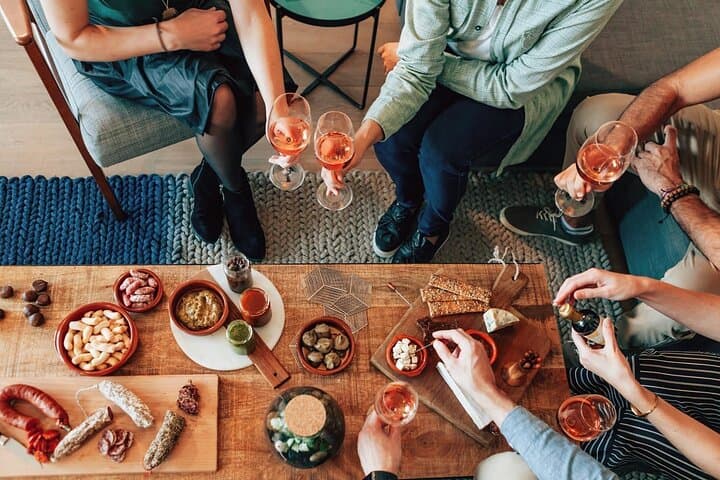
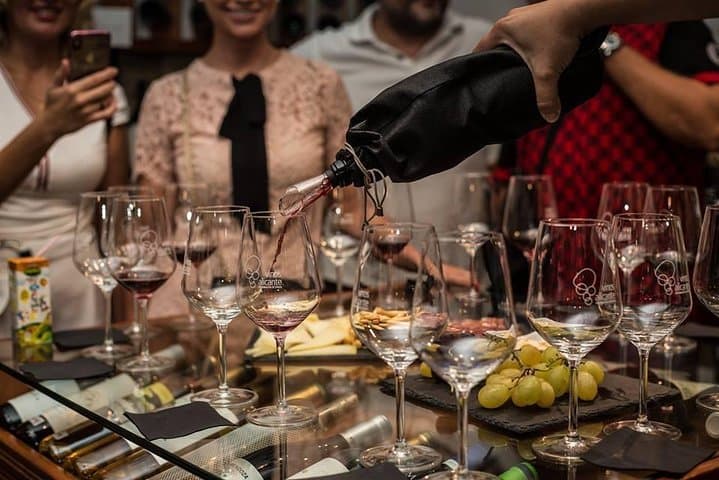
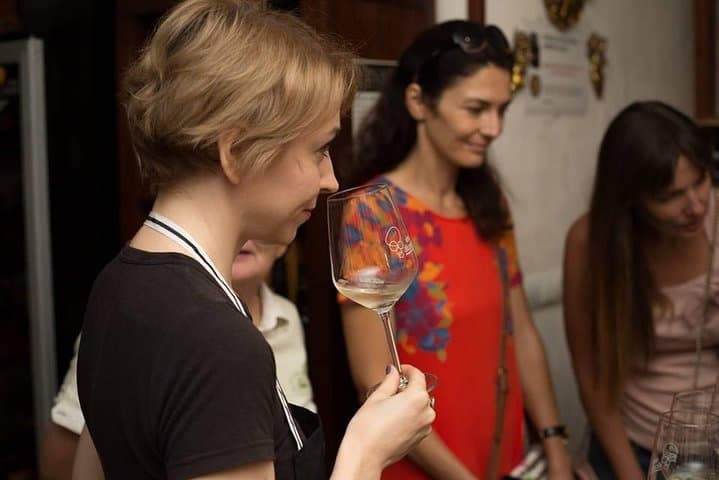
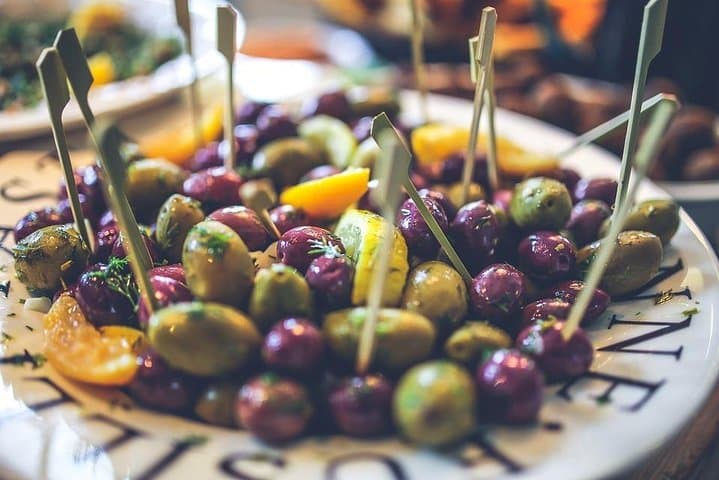
Sense the city by taste and tempo: listen for clinking glasses, watch servers slice jamón with practiced economy, and let the guide tie each flavor to place and history. The tour isn’t just tasting — it’s a compact primer on Alicante’s foodways and the people who keep them alive.
easy.
3 hours.
Suitable for most fitness levels; able to stand and walk ~1–2 miles on uneven pavement.
The tour is approximately 3 hours and includes several short stops for tastings while walking between venues.
Yes—notify the operator at booking; vegetarian and other common restrictions can be accommodated.
Yes, the route is stroller accessible but the tasting content is geared to adults; infants must sit on laps.
Tours are commonly offered in English and Spanish; check availability at booking.
Alicante grew from a Phoenician trading post into a strategic Mediterranean port; its layered architecture reflects Roman, Moorish, and modern Spanish influences.
Support local producers and small bars to keep traditional foodways viable; avoid single‑use plastics and dispose of waste at provided bins to reduce pressure on the old town.
Withinexperience operates guided outdoor trips and adventures with an emphasis on safety, stewardship, and memorable experiences.
The promenade’s salt air mingles with the sharp perfume of frying olive oil as the group steps off the Esplanade of Spain and into Alicante’s living kitchen. Ceramic tiles underfoot lead past palm-lined boulevards; the guide points out a stall where horchata is poured thick and nutty, then steers the group toward a narrow street where ham hangs like local currency.
The promenade’s salt air mingles with the sharp perfume of frying olive oil as the group steps off the Esplanade of Spain and into Alicante’s living kitchen. Ceramic tiles underfoot lead past palm-lined boulevards; the guide points out a stall where horchata is poured thick and nutty, then steers the group toward a narrow street where ham hangs like local currency.
Alicante’s port city story — from Phoenician and Roman trade to medieval fortresses and 19th‑century civic planning — shows in its stone squares and the layered facades of Calle Mayor. Geologically, the city sits where coastal limestone meets Mediterranean sands, and that coastline has shaped both diet and culture: seafood, almonds, and wines that thrive in calcareous soils. The local concept of tardeo — long, social afternoons of tapas and wine — is as much social ritual as meal.
Practical guidance: this is a relaxed, 3‑hour walking tasting. Bring a reusable water bottle and expect short standing stops at small bars; book ahead to secure dietary accommodations. Wear comfortable shoes for cobbles and shaded layers for midday sun. Plan the tour in late afternoon to experience tardeo energy and cooler temperatures; mornings are quieter but miss the full atmosphere.
Sense the city by taste and tempo: listen for clinking glasses, watch servers slice jamón with practiced economy, and let the guide tie each flavor to place and history. The tour isn’t just tasting — it’s a compact primer on Alicante’s foodways and the people who keep them alive.