THE ADVENTURE COLLECTIVE® · Independent discovery and booking for outdoor travel

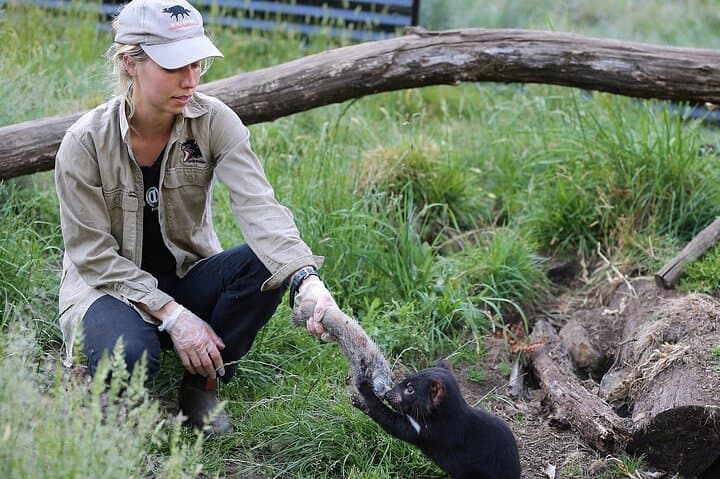
Join a keeper-led, 60-minute feeding session at Cradle Mountain's sanctuary to observe Tasmanian devils at their most active. Learn about diet, behavior, and conservation while exploring part of the park's rainforest setting.
Join a keeper-led, 60-minute feeding session at Cradle Mountain's sanctuary to observe Tasmanian devils at their most active. Learn about diet, behavior, and conservation while exploring part of the park's rainforest setting.
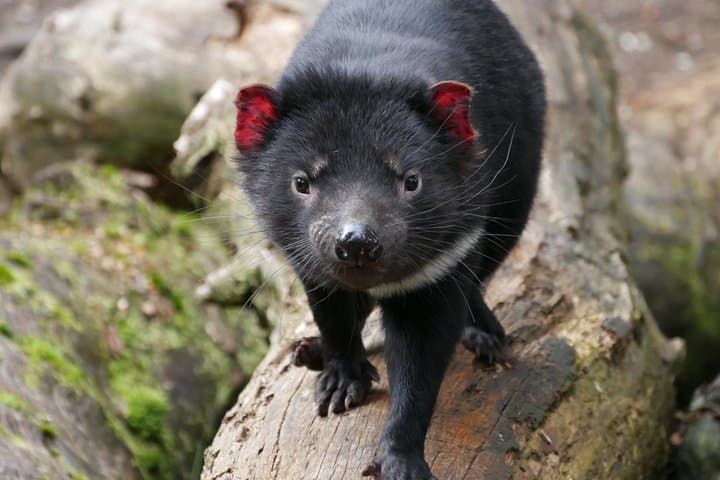
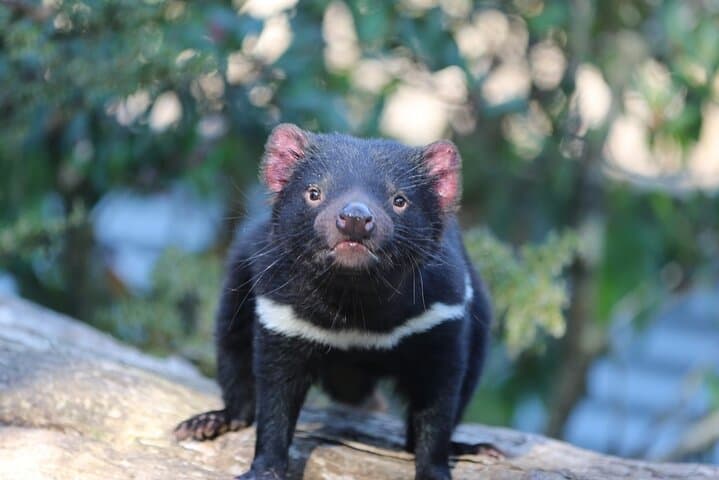
You step through the sanctuary gate to a soundtrack of wind through celery-top pines and the occasional scrape of claws on bark. Light falls in bands across damp leaf litter; the guide threads a steady, informative cadence as you approach the walk-through devil enclosure where the feeding begins. The devils are at their most active now—snuffling, circling, and asserting themselves in a way that exposes both the animal’s power and its oddly comic energy.
Verified experiences and guided adventures in the surrounding area.
Operated by Devils@Cradle · Cradle Mountain, Tasmania
You step through the sanctuary gate to a soundtrack of wind through celery-top pines and the occasional scrape of claws on bark. Light falls in bands across damp leaf litter; the guide threads a steady, informative cadence as you approach the walk-through devil enclosure where the feeding begins. The devils are at their most active now—snuffling, circling, and asserting themselves in a way that exposes both the animal’s power and its oddly comic energy.
Cradle Mountain sits on ancient dolerite buttresses shaped by glaciation, and the park’s cool temperate rainforest has long been a place of Aboriginal significance and European exploration. The sanctuary continues a more recent conservation story: the Tasmanian devil has suffered dramatic declines from facial tumor disease, and captive care and feeding displays are part education, part managed support for recovery programs.
Expect a focused, 60-minute guided experience that includes sanctuary entry and commentary from keepers about diet, dominance behavior, and ongoing breeding and disease-management work. The walk involves short stretches on unpaved terrain and a 360-degree viewing in the larger enclosure—bring steady footing and noise discipline to avoid stressing the animals.
Practical tips: arrive 10–15 minutes early to register and route any pre- or post-tour walking through the sanctuary; dress for changeable mountain weather; keep cameras to a respectful distance and follow all staff instructions. The feeding is immersive but controlled—this is conservation and interpretation framed around the animals’ welfare, not an interactive petting encounter.
easy.
1 hour.
Suitable for most fitness levels; involves a small amount of unpaved, uneven walking and standing.
Yes — the tour ticket includes general entry so you can explore before or after the guided feeding.
Children are welcome but must be accompanied by an adult; minimal walking is involved but supervision is required.
No — the feeding is a keeper-led observation for conservation and education; public interactions are not permitted.
The sanctuary offers free onsite parking and stroller access; some terrain is uneven so accessibility may be limited in parts.
The area is part of Tasmanian Aboriginal country and later became protected as a national park for its glacial landscapes; the sanctuary contributes to modern conservation of species like the devil.
The feeding presentation supports captive management and public education aimed at mitigating devil facial tumor disease; visitors should follow rules to minimize disturbance and disease risk.
Devils@Cradle operates guided outdoor trips and adventures with an emphasis on safety, stewardship, and memorable experiences.
You step through the sanctuary gate to a soundtrack of wind through celery-top pines and the occasional scrape of claws on bark. Light falls in bands across damp leaf litter; the guide threads a steady, informative cadence as you approach the walk-through devil enclosure where the feeding begins. The devils are at their most active now—snuffling, circling, and asserting themselves in a way that exposes both the animal’s power and its oddly comic energy.
You step through the sanctuary gate to a soundtrack of wind through celery-top pines and the occasional scrape of claws on bark. Light falls in bands across damp leaf litter; the guide threads a steady, informative cadence as you approach the walk-through devil enclosure where the feeding begins. The devils are at their most active now—snuffling, circling, and asserting themselves in a way that exposes both the animal’s power and its oddly comic energy.
Cradle Mountain sits on ancient dolerite buttresses shaped by glaciation, and the park’s cool temperate rainforest has long been a place of Aboriginal significance and European exploration. The sanctuary continues a more recent conservation story: the Tasmanian devil has suffered dramatic declines from facial tumor disease, and captive care and feeding displays are part education, part managed support for recovery programs.
Expect a focused, 60-minute guided experience that includes sanctuary entry and commentary from keepers about diet, dominance behavior, and ongoing breeding and disease-management work. The walk involves short stretches on unpaved terrain and a 360-degree viewing in the larger enclosure—bring steady footing and noise discipline to avoid stressing the animals.
Practical tips: arrive 10–15 minutes early to register and route any pre- or post-tour walking through the sanctuary; dress for changeable mountain weather; keep cameras to a respectful distance and follow all staff instructions. The feeding is immersive but controlled—this is conservation and interpretation framed around the animals’ welfare, not an interactive petting encounter.