THE ADVENTURE COLLECTIVE® · Independent discovery and booking for outdoor travel

Shape clay where Silk Road traditions meet contemporary craft. This guided tour combines a focused cultural walk through Tashkent’s artisan practices with a hands-on pottery masterclass and a traditional Uzbek meal.
Shape clay where Silk Road traditions meet contemporary craft. This guided tour combines a focused cultural walk through Tashkent’s artisan practices with a hands-on pottery masterclass and a traditional Uzbek meal.
The workshop smells of damp clay and green tea. You arrive through a courtyard where tiled walls and the soft clack of tools set the pace—local artisans moving between kilns and conversation, inviting you to shape a story with your hands. For an hour the guide walks you through Tashkent’s living crafts: the Silk Road’s trade routes that seeded techniques, the regional differences in glazes, and the household customs that keep patterns meaningful.
Verified experiences and guided adventures in the surrounding area.
Operated by Craft and Culture · Tashkent, Tashkent Region
The workshop smells of damp clay and green tea. You arrive through a courtyard where tiled walls and the soft clack of tools set the pace—local artisans moving between kilns and conversation, inviting you to shape a story with your hands. For an hour the guide walks you through Tashkent’s living crafts: the Silk Road’s trade routes that seeded techniques, the regional differences in glazes, and the household customs that keep patterns meaningful.
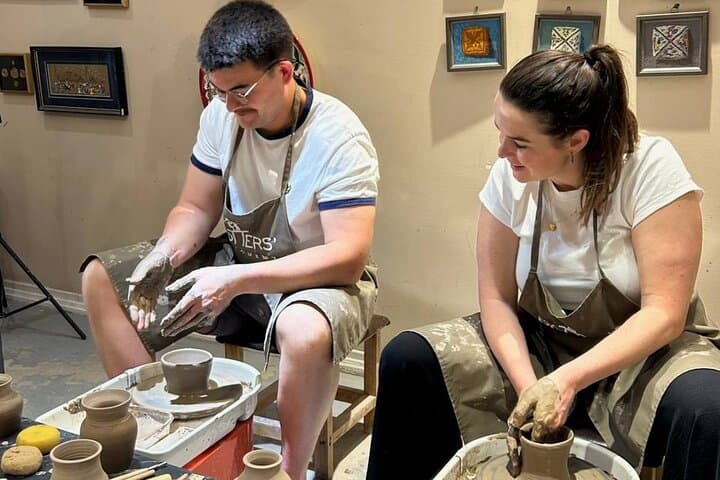
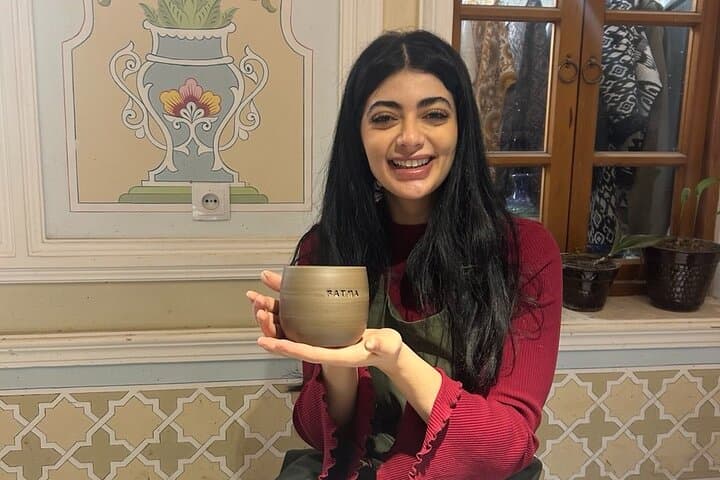
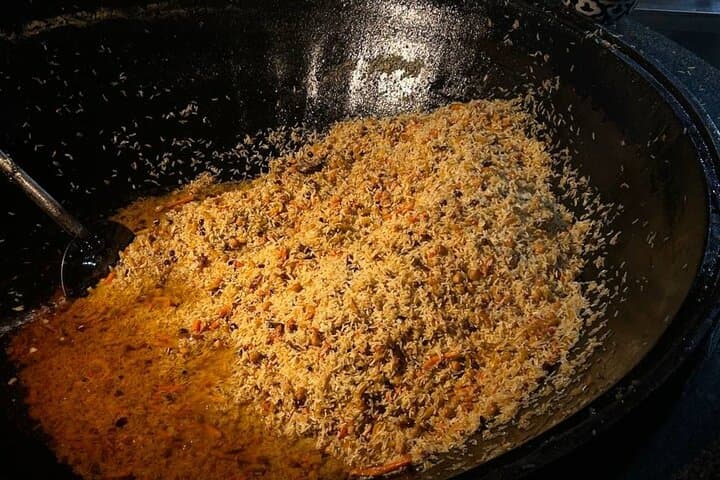
Pottery in Uzbekistan sits at the crossroad of history and daily life. Centuries of river-fed trade across Central Asia brought mineral-rich clays, while nearby uplands supplied salts used in glazing. The class itself is practical: clay preparation, wheel or hand molding, initial drying and simple decoration under artisan supervision. After work, you share a traditional lunch—non bread, salads, and palov—served in a garden that still follows time-honored recipes.
Expect a mix of indoor and courtyard time, moderate humidity near kilns, and hands-on instruction suitable for beginners. Language is often bilingual; artisans use demonstration as much as words. Bring clothes you won’t mind staining and a small bag for finished pieces that may need further firing. The experience is as much about the conversation—stories of local marriage customs, suzani embroidery references, and tribal motifs—as it is about forming a bowl.
Practical tip: allow 3–4 hours, confirm dietary needs ahead, and budget time to explore nearby craft alleys like Chorsu Bazaar afterward.
easy.
3–4 hours.
Minimal fitness required; participants should be able to stand and use hands for 60–90 minutes during the masterclass.
No. The masterclass is designed for beginners and includes step-by-step guidance from local artisans.
Initial drying and shaping occur during the session; final kiln firing can take longer—ask the operator about pickup, shipping, or collection timing.
Pick up is listed among inclusions—confirm the exact pickup point and time when you book.
Vegetarian and some dietary requests may be accommodated with advance notice, but options are limited—notify the provider when booking.
Tashkent’s crafts reflect centuries of Silk Road exchange; ceramics techniques show influences from Samarkand, Bukhara and regional nomadic traditions.
Support small artisan studios that use local clays and traditional kilns; avoid mass-produced items and ask how glazes and firing are sourced to minimize environmental impact.
Craft and Culture operates guided outdoor trips and adventures with an emphasis on safety, stewardship, and memorable experiences.
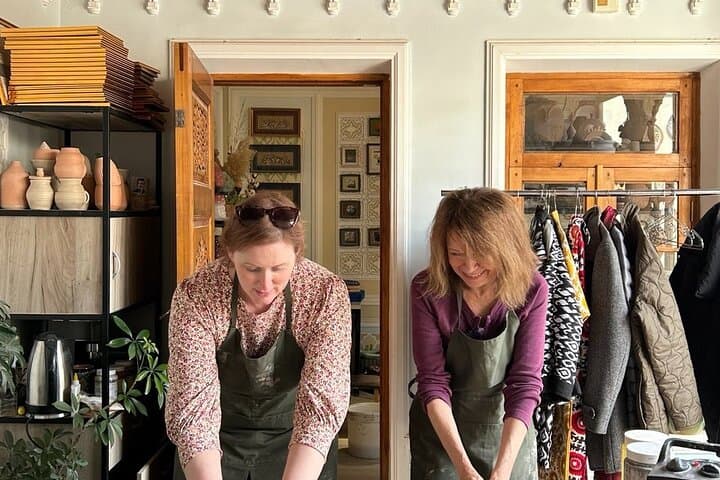
The workshop smells of damp clay and green tea. You arrive through a courtyard where tiled walls and the soft clack of tools set the pace—local artisans moving between kilns and conversation, inviting you to shape a story with your hands. For an hour the guide walks you through Tashkent’s living crafts: the Silk Road’s trade routes that seeded techniques, the regional differences in glazes, and the household customs that keep patterns meaningful.
The workshop smells of damp clay and green tea. You arrive through a courtyard where tiled walls and the soft clack of tools set the pace—local artisans moving between kilns and conversation, inviting you to shape a story with your hands. For an hour the guide walks you through Tashkent’s living crafts: the Silk Road’s trade routes that seeded techniques, the regional differences in glazes, and the household customs that keep patterns meaningful.
Pottery in Uzbekistan sits at the crossroad of history and daily life. Centuries of river-fed trade across Central Asia brought mineral-rich clays, while nearby uplands supplied salts used in glazing. The class itself is practical: clay preparation, wheel or hand molding, initial drying and simple decoration under artisan supervision. After work, you share a traditional lunch—non bread, salads, and palov—served in a garden that still follows time-honored recipes.
Expect a mix of indoor and courtyard time, moderate humidity near kilns, and hands-on instruction suitable for beginners. Language is often bilingual; artisans use demonstration as much as words. Bring clothes you won’t mind staining and a small bag for finished pieces that may need further firing. The experience is as much about the conversation—stories of local marriage customs, suzani embroidery references, and tribal motifs—as it is about forming a bowl.
Practical tip: allow 3–4 hours, confirm dietary needs ahead, and budget time to explore nearby craft alleys like Chorsu Bazaar afterward.