THE ADVENTURE COLLECTIVE® · Independent discovery and booking for outdoor travel

A 10‑day private trek from Srinagar that links the twin alpine lakes of Tarsar and Marsar with a side visit to Kolahoi Glacier. Expect long meadow walks, high camps and steady altitude gain across varied terrain.
A 10‑day private trek from Srinagar that links the twin alpine lakes of Tarsar and Marsar with a side visit to Kolahoi Glacier. Expect long meadow walks, high camps and steady altitude gain across varied terrain.
You step out of the jeep in Aru and the Lidder River dares you to move upstream. Pine perfume and the thin, cold air push into your lungs as the first grassy benches open into the meadows of Lidderwat.
Verified experiences and guided adventures in the surrounding area.
Operated by Holiday Tours And Travels · Srinagar, Jammu and Kashmir
You step out of the jeep in Aru and the Lidder River dares you to move upstream. Pine perfume and the thin, cold air push into your lungs as the first grassy benches open into the meadows of Lidderwat.
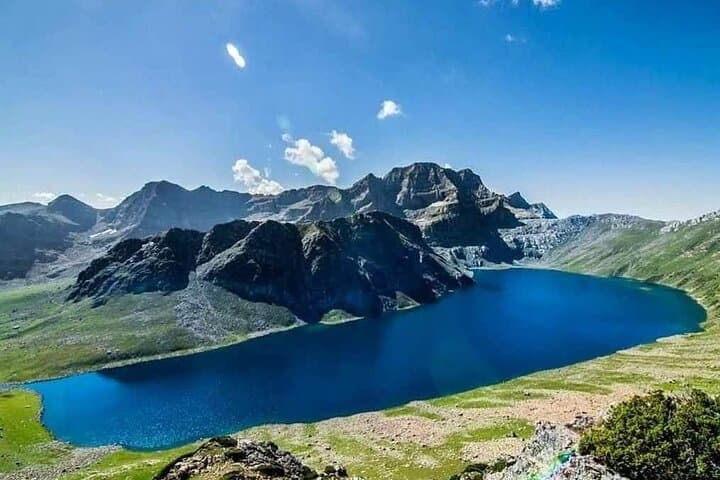
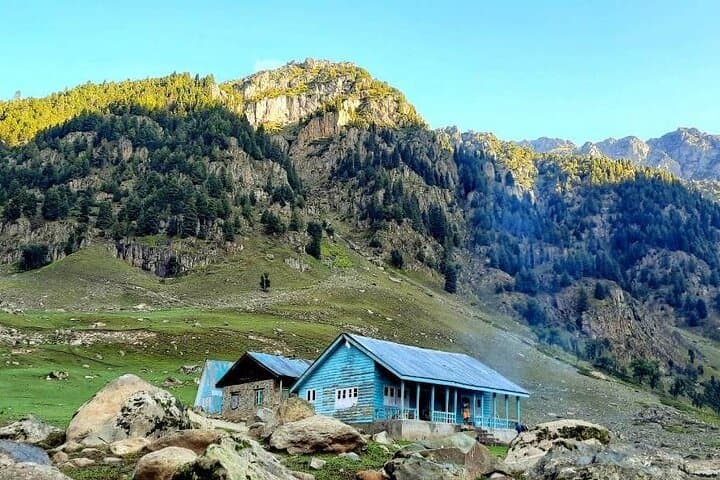
This 10-day route threads through velvet grasslands, passes two expansive alpine lakes—Tarsar and Marsar—and brings you within sight of the hanging Kolahoi Glacier, the headwaters of the Jhelum. Geologically this is young Himalayan country: glacially carved basins, moraine-boulders and lake basins that fill in summer melt. Culturally the trails follow ancestral shepherd and Bakarwal routes; small hamlets and temporary pasture shelters punctuate long meadow stretches.
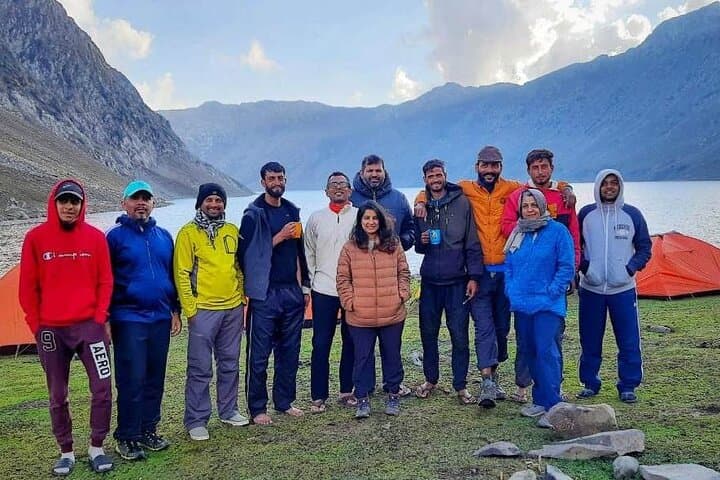
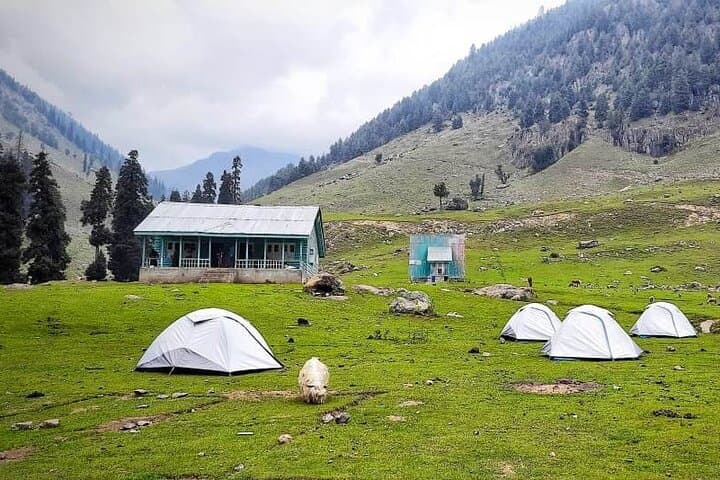
Expect steady ascents and descents rather than technical climbing: daily stages range from 4–13 km with camps between roughly 8,000–13,000 ft. Terrain alternates packed earth, boulder fields and soft alpine grass; some river crossings swell after rain. Nights are in twin-share tents on grassy shelves beside lakes or meadows supplied with communal dining tents and cooks.
Plan for acclimatization, a conservative pace and simple but sturdy kit—warm sleeping bag, solid boots and a rain shell. Hydrate early; filter or boil stream water. Watch weather windows: afternoon storms can arrive fast and the Kolahoi approach has hollow snow patches—keep a safe distance from the glacier snout.
This trek rewards with expansive lake views, open campsites and close encounters with high‑altitude solitude—practical, raw and framed by sweeping Himalayan ridgelines.
challenging.
10 days.
High level of cardiovascular fitness and endurance for consecutive days of trekking at altitude
Late June through September is the typical season when passes and lakes are accessible and high meadows are green; early season may have lingering snow.
Local permits and entry fees are usually handled by the trekking operator; independent trekkers should check local regulations and forest rules in advance.
Highest camps and passes near Tarsar/Sundersar reach about 12,960 ft (approx. 3,950 m); Kolahoi viewpoint approaches ~11,000 ft.
The route is non-technical but physically demanding with multiple long days and altitude—good for fit beginners with prior multi-day hiking experience and proper acclimatization.
The trail follows centuries-old pastoral tracks used by Bakarwal and shepherd communities moving flocks between lowland winters and alpine summer pastures.
Alpine meadows are fragile—camp on durable surfaces, pack out waste, and avoid disturbing grazing areas; local operators often support low-impact camping practices.
Holiday Tours And Travels operates guided outdoor trips and adventures with an emphasis on safety, stewardship, and memorable experiences.
You step out of the jeep in Aru and the Lidder River dares you to move upstream. Pine perfume and the thin, cold air push into your lungs as the first grassy benches open into the meadows of Lidderwat.
You step out of the jeep in Aru and the Lidder River dares you to move upstream. Pine perfume and the thin, cold air push into your lungs as the first grassy benches open into the meadows of Lidderwat.
This 10-day route threads through velvet grasslands, passes two expansive alpine lakes—Tarsar and Marsar—and brings you within sight of the hanging Kolahoi Glacier, the headwaters of the Jhelum. Geologically this is young Himalayan country: glacially carved basins, moraine-boulders and lake basins that fill in summer melt. Culturally the trails follow ancestral shepherd and Bakarwal routes; small hamlets and temporary pasture shelters punctuate long meadow stretches.
Expect steady ascents and descents rather than technical climbing: daily stages range from 4–13 km with camps between roughly 8,000–13,000 ft. Terrain alternates packed earth, boulder fields and soft alpine grass; some river crossings swell after rain. Nights are in twin-share tents on grassy shelves beside lakes or meadows supplied with communal dining tents and cooks.
Plan for acclimatization, a conservative pace and simple but sturdy kit—warm sleeping bag, solid boots and a rain shell. Hydrate early; filter or boil stream water. Watch weather windows: afternoon storms can arrive fast and the Kolahoi approach has hollow snow patches—keep a safe distance from the glacier snout.
This trek rewards with expansive lake views, open campsites and close encounters with high‑altitude solitude—practical, raw and framed by sweeping Himalayan ridgelines.