THE ADVENTURE COLLECTIVE® · Independent discovery and booking for outdoor travel

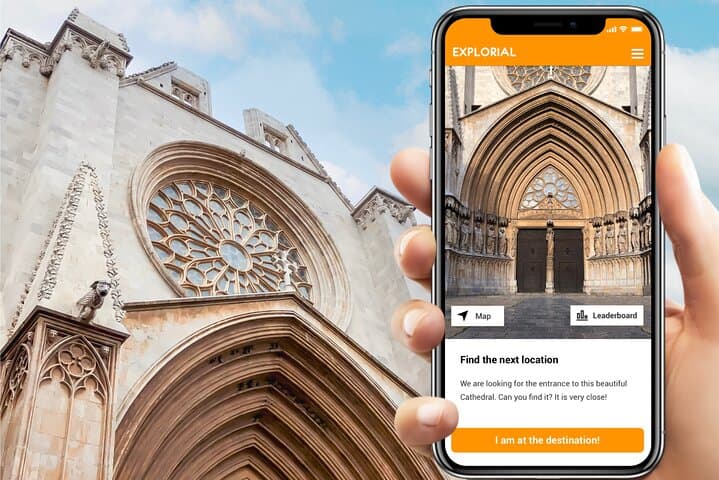
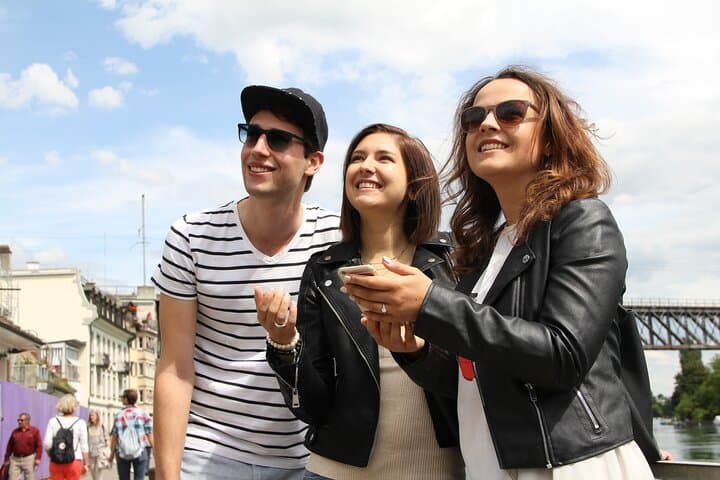
Explore Tarragona by solving riddles and following clues on your phone. This self-guided scavenger hunt leads you to Roman ruins, cathedral steps, and seaside viewpoints at your own pace.
Explore Tarragona by solving riddles and following clues on your phone. This self-guided scavenger hunt leads you to Roman ruins, cathedral steps, and seaside viewpoints at your own pace.
You step off the Rambla Nova, sea air pressing against sun-warmed stone, and a mapless puzzle waits on your phone: clues, a city grid, and the promise of discovery.
Verified experiences and guided adventures in the surrounding area.
Operated by Explorial · Tarragona, Catalonia
You step off the Rambla Nova, sea air pressing against sun-warmed stone, and a mapless puzzle waits on your phone: clues, a city grid, and the promise of discovery.
Tarragona was once Tarraco, the western capital of Rome's Hispania Tarraconensis, and its streets still carry that order—grid fragments, a Roman amphitheatre perched above the shore, cathedral steps that climb layers of history. The city sits on limestone cliffs that fall sharply to the Mediterranean, where gulls wheel and the water's edge marks centuries of trade and tides.
As you move from the Balcó del Mediterrani toward Sedassos Square, the scavenger-hunt format sharpens observation: inscriptions, reliefs, and narrow alleys reveal the city's Roman core, medieval rebuilds, and the working fisher quarter El Serrallo. Local culture shows up in café terraces, tapas bars, and the cadence of afternoon passeig.
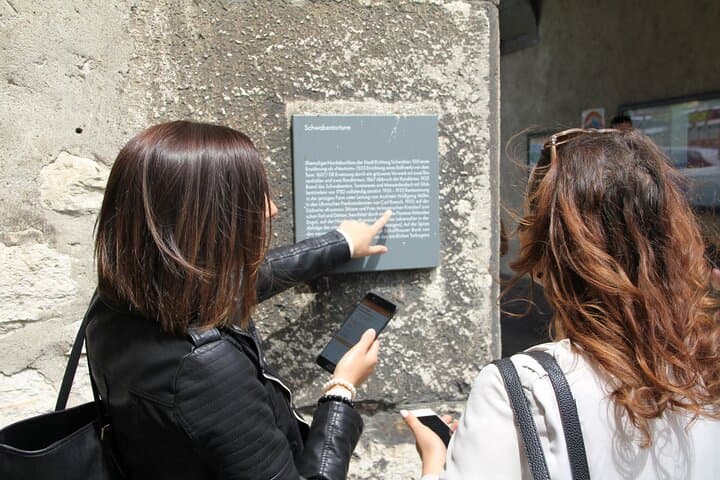
Practically: this self-guided walk uses the Explorial app and runs about 1–2 hours at a relaxed pace. Expect cobbled streets, short stair sections, and clear signposts; clues often point to plaques, statues, and architectural details. Languages include English, Spanish, German, and French. Start early to avoid heat and crowds, carry a charged phone and small bottle of water, and wear shoes with grippy soles—the rewards are views over the Mediterranean and a livelier, hands-on way to learn Tarragona's layered past.
easy.
1–2 hours.
Suitable for most fitness levels; requires comfortable walking ability on uneven, cobbled surfaces and short flights of stairs.
Most groups finish in 1–2 hours at a relaxed pace; you can take longer if you stop for food or extended breaks.
It is fully self-guided via the Explorial app; clues and maps lead you between points of interest without a live guide.
The experience supports English, Spanish, German, and French in the app and clue text.
The activity involves walking on uneven surfaces and stairs and is marked not recommended for travelers with spinal injuries or pregnancy; consider accessibility before booking.
Tarragona was the Roman administrative center Tarraco and retains substantial Roman ruins integrated into the medieval cityscape.
The historic center is sensitive to foot traffic—stay on paved routes, avoid touching fragile masonry, and support local businesses to help preserve sites.
Explorial operates guided outdoor trips and adventures with an emphasis on safety, stewardship, and memorable experiences.
You step off the Rambla Nova, sea air pressing against sun-warmed stone, and a mapless puzzle waits on your phone: clues, a city grid, and the promise of discovery.
You step off the Rambla Nova, sea air pressing against sun-warmed stone, and a mapless puzzle waits on your phone: clues, a city grid, and the promise of discovery.
Tarragona was once Tarraco, the western capital of Rome's Hispania Tarraconensis, and its streets still carry that order—grid fragments, a Roman amphitheatre perched above the shore, cathedral steps that climb layers of history. The city sits on limestone cliffs that fall sharply to the Mediterranean, where gulls wheel and the water's edge marks centuries of trade and tides.
As you move from the Balcó del Mediterrani toward Sedassos Square, the scavenger-hunt format sharpens observation: inscriptions, reliefs, and narrow alleys reveal the city's Roman core, medieval rebuilds, and the working fisher quarter El Serrallo. Local culture shows up in café terraces, tapas bars, and the cadence of afternoon passeig.
Practically: this self-guided walk uses the Explorial app and runs about 1–2 hours at a relaxed pace. Expect cobbled streets, short stair sections, and clear signposts; clues often point to plaques, statues, and architectural details. Languages include English, Spanish, German, and French. Start early to avoid heat and crowds, carry a charged phone and small bottle of water, and wear shoes with grippy soles—the rewards are views over the Mediterranean and a livelier, hands-on way to learn Tarragona's layered past.