THE ADVENTURE COLLECTIVE® · Independent discovery and booking for outdoor travel

Walk Tarraco’s living history on a four-hour private tour that threads Roman circuses, a cliffside amphitheatre and medieval lanes. Practical tips and local insights to help you plan the perfect morning in Tarragona.
Walk Tarraco’s living history on a four-hour private tour that threads Roman circuses, a cliffside amphitheatre and medieval lanes. Practical tips and local insights to help you plan the perfect morning in Tarragona.
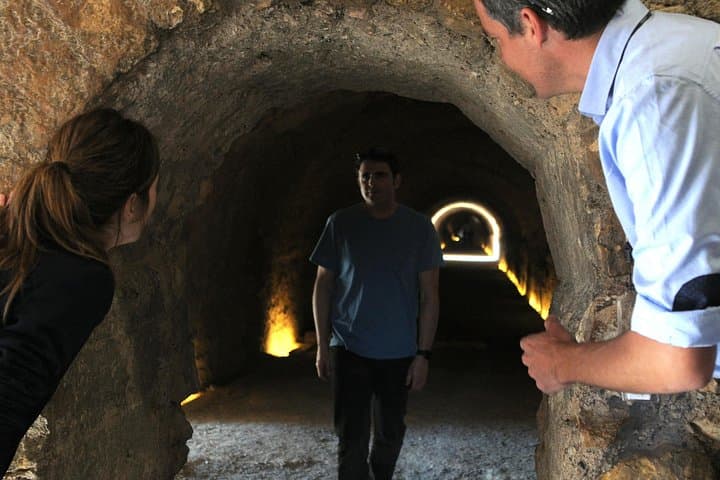
You step out of the shadowed gate at Portal del Roser and the old stones of Tarraco take the air like a held breath — sun on pale masonry, the distant Mediterranean pushing its blue along the horizon. Over four hours a licensed guide leads you through vaulted cloisters, along exposed Roman walls and down into the hush of an underground passage that once ferried officials between the circus and the forum.
Verified experiences and guided adventures in the surrounding area.
Operated by Trails & Culture · Tarragona, Catalonia
You step out of the shadowed gate at Portal del Roser and the old stones of Tarraco take the air like a held breath — sun on pale masonry, the distant Mediterranean pushing its blue along the horizon. Over four hours a licensed guide leads you through vaulted cloisters, along exposed Roman walls and down into the hush of an underground passage that once ferried officials between the circus and the forum.
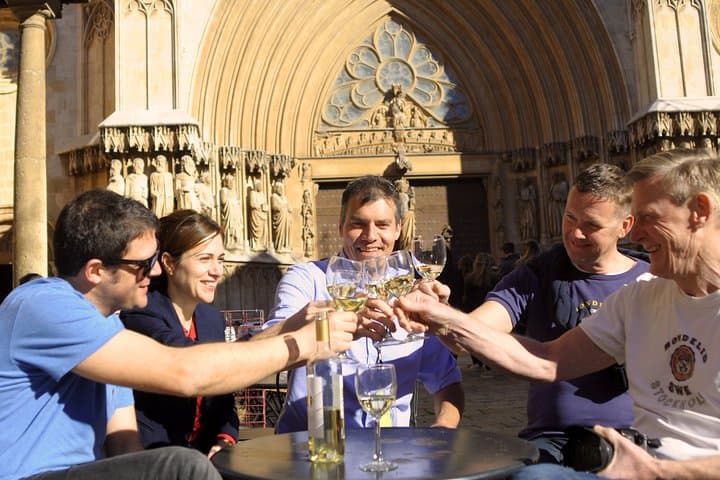
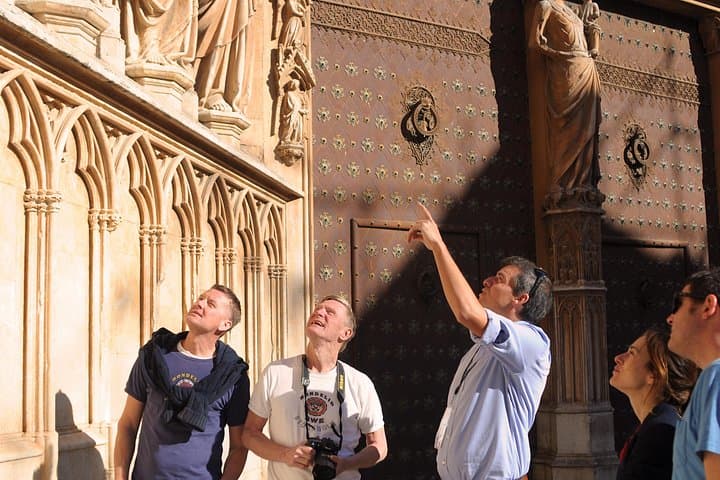
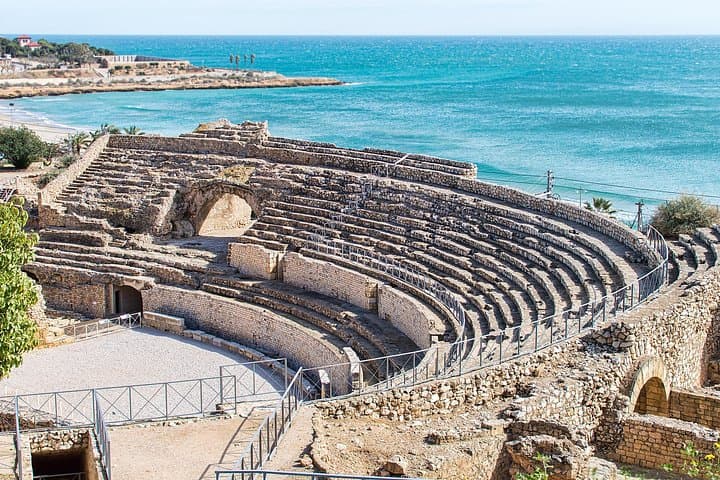
Tarragona’s story is visible: a 1st-century circus carved into the urban fabric, a seaside amphitheatre where gladiators met the roar of the crowd, and a cathedral whose Romanesque columns bear Gothic additions. Geologically, the city sits on Triassic- and Jurassic-era limestone, the bedrock sculpted by centuries of wind and sea — cliffs and terraces that both protected and defined its ports.
Culturally, Tarragona fuses Catalan contemporary life with deep Roman roots; local markets, seasonal festivals and the Diocesan Museum’s goldwork keep the past present. The tour balances big sites (the amphitheatre, cathedral cloister) with narrow Part Alta lanes where sunlight slants between houses and neighbors greet you in Catalan.
Practical guidance: wear sturdy shoes for cobbles and stairs, carry water, and reserve mornings to avoid peak heat and cruise crowds. Note the cathedral closes for mass on Sundays; the guide substitutes the amphitheatre visit then. Meeting at Portal del Roser means an easy start near public transit; the route ends at the Balcó del Mediterrani for a final 360° view of port, beach and city — a seaside finish that makes the Roman past feel unexpectedly immediate.
easy.
4 hours.
Suitable for most fitness levels; requires comfortable walking and some stair negotiation.
The itinerary includes admission to several Roman monuments and the amphitheatre; check your booking confirmation for a precise list of included sites.
The guide asks you to wait next to the Portal del Roser entrance in the Roman Wall, just outside the old town area — it’s close to public transport links.
The tour is suitable for a wide range of fitness levels, but parts of the old quarter have stairs and uneven surfaces; discuss mobility needs when booking so the guide can adapt the route.
This private tour is led by a licensed guide with a good level of English; other language options may be available on request if arranged in advance.
Tarragona was the Roman city of Tarraco, an important provincial capital; its archaeological ensemble is a designated UNESCO World Heritage Site for its exceptional Roman remains.
Archaeological sites are sensitive to wear; stick to marked paths, avoid touching exposed mosaics and respect signage to help preserve fragile structures.
Trails & Culture operates guided outdoor trips and adventures with an emphasis on safety, stewardship, and memorable experiences.
You step out of the shadowed gate at Portal del Roser and the old stones of Tarraco take the air like a held breath — sun on pale masonry, the distant Mediterranean pushing its blue along the horizon. Over four hours a licensed guide leads you through vaulted cloisters, along exposed Roman walls and down into the hush of an underground passage that once ferried officials between the circus and the forum.
You step out of the shadowed gate at Portal del Roser and the old stones of Tarraco take the air like a held breath — sun on pale masonry, the distant Mediterranean pushing its blue along the horizon. Over four hours a licensed guide leads you through vaulted cloisters, along exposed Roman walls and down into the hush of an underground passage that once ferried officials between the circus and the forum.
Tarragona’s story is visible: a 1st-century circus carved into the urban fabric, a seaside amphitheatre where gladiators met the roar of the crowd, and a cathedral whose Romanesque columns bear Gothic additions. Geologically, the city sits on Triassic- and Jurassic-era limestone, the bedrock sculpted by centuries of wind and sea — cliffs and terraces that both protected and defined its ports.
Culturally, Tarragona fuses Catalan contemporary life with deep Roman roots; local markets, seasonal festivals and the Diocesan Museum’s goldwork keep the past present. The tour balances big sites (the amphitheatre, cathedral cloister) with narrow Part Alta lanes where sunlight slants between houses and neighbors greet you in Catalan.
Practical guidance: wear sturdy shoes for cobbles and stairs, carry water, and reserve mornings to avoid peak heat and cruise crowds. Note the cathedral closes for mass on Sundays; the guide substitutes the amphitheatre visit then. Meeting at Portal del Roser means an easy start near public transit; the route ends at the Balcó del Mediterrani for a final 360° view of port, beach and city — a seaside finish that makes the Roman past feel unexpectedly immediate.