THE ADVENTURE COLLECTIVE® · Independent discovery and booking for outdoor travel

Spend a reflective morning at the Resistance Museum followed by an afternoon on Tarrafal’s famed bay. This five‑hour experience pairs historical context with time by the sea — ideal for travellers who want culture and coastal relaxation in one trip.
Spend a reflective morning at the Resistance Museum followed by an afternoon on Tarrafal’s famed bay. This five‑hour experience pairs historical context with time by the sea — ideal for travellers who want culture and coastal relaxation in one trip.
You step off the dusted coastal road and the Atlantic immediately takes the conversation — waves coaxing you toward a narrow crescent of white sand while wind-driven bougainvillea dances along low houses. Tarrafal feels purposeful: a fishing village that also holds one of Cape Verde’s most solemn sites. The day begins at the former Tarrafal Concentration Camp, now the Resistance Museum, where concrete blocks and preserved cells keep a quiet, stubborn memory of anti-colonial struggle.
Verified experiences and guided adventures in the surrounding area.
Operated by RURAL TOURS · Tarrafal, Santiago
You step off the dusted coastal road and the Atlantic immediately takes the conversation — waves coaxing you toward a narrow crescent of white sand while wind-driven bougainvillea dances along low houses. Tarrafal feels purposeful: a fishing village that also holds one of Cape Verde’s most solemn sites. The day begins at the former Tarrafal Concentration Camp, now the Resistance Museum, where concrete blocks and preserved cells keep a quiet, stubborn memory of anti-colonial struggle.
Geology here is volcanic and rugged; black basalt cliffs fringe sandy bays and the shoreline shelves gently before dropping toward clearer, cooler water. Culturally, Tarrafal balances historic weight with everyday warmth — fishermen mend nets in the morning, vendors roast catch over coals, and Creole-Portuguese rhythms punctuate the market.
After the museum visit, the route opens to leisure: a beach known for calm water and clear visibility invites a walk, a dip, or a shaded picnic. Expect easy grades and short stretches of uneven sand and compacted village paths rather than steep climbs.
Practical guidance: allocate five hours for a paced visit — allow time at the museum and a relaxed lunch. Bring sun protection, refillable water, and modest clothing for the memorial site. Respect the museum’s solemnity: photos are allowed in public areas but follow staff guidance. If you arrive by rental or tour from Praia, plan for a 1–1.5 hour drive each way; roads are paved but can narrow.
Tarrafal is an accessible, layered day trip that combines reflection, shoreline time, and straightforward cultural exchange — a compact portrait of Santiago’s coastline and history.
easy.
5 hours.
Suitable for most fitness levels; the day involves short walks and standing during the museum visit but no technical exertion.
The experience runs about five hours and typically includes a guided visit to the Tarrafal Resistance Museum plus time on Tarrafal Beach and a local lunch.
Yes, but caregivers should prepare older children for serious content about political imprisonment and colonial history; the site is educational rather than entertainment.
Yes — Praia is the usual base; expect roughly 1–1.5 hours driving depending on traffic and your departure point on Santiago.
Admissions for the camp/museum are commonly included and the listed tour includes lunch; confirm specifics at booking for private variations.
Tarrafal was the site of the Portuguese ‘slow death’ camp where political prisoners from across lusophone Africa were held; the Resistance Museum preserves those stories and artifacts.
Visitors should avoid stepping on shallow reef and take all trash with them; local initiatives encourage responsible tourism to protect beaches and marine life.
RURAL TOURS operates guided outdoor trips and adventures with an emphasis on safety, stewardship, and memorable experiences.
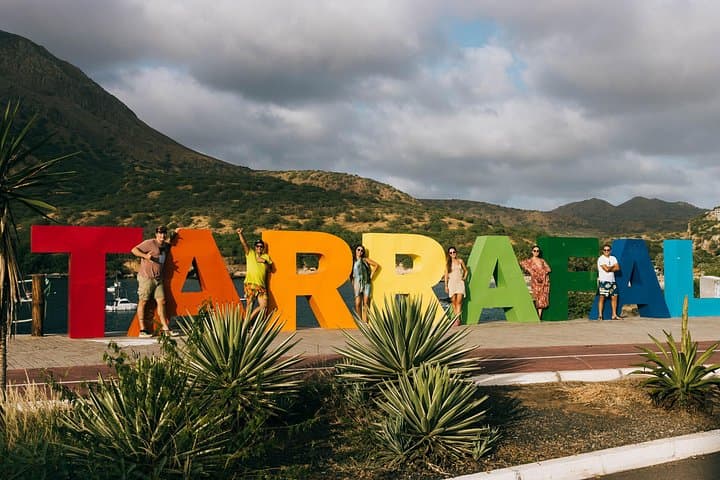
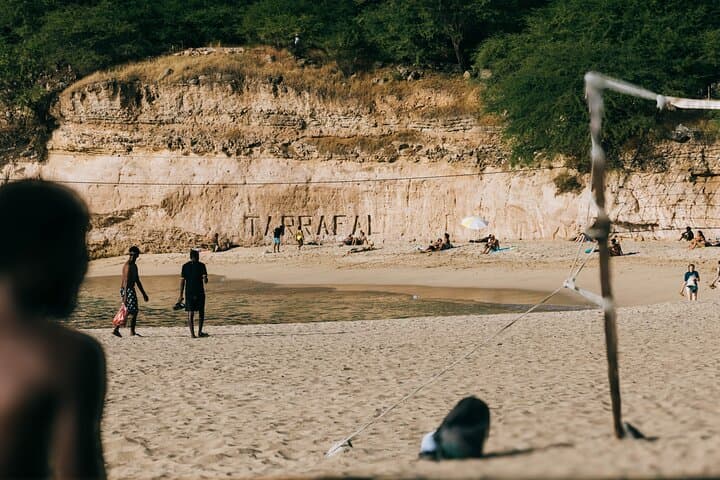
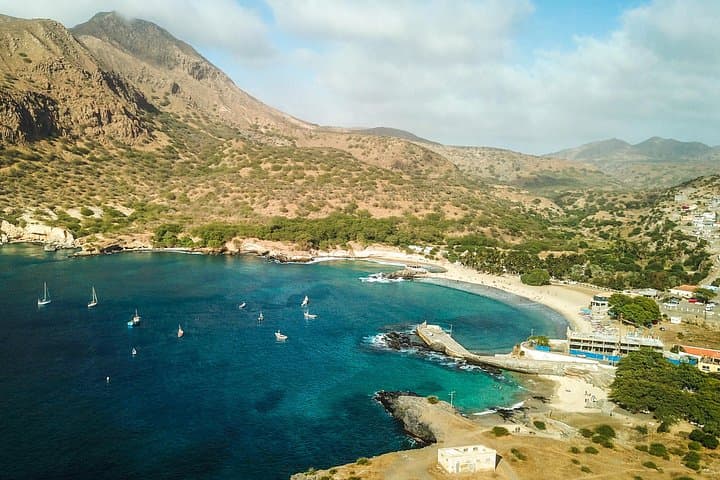
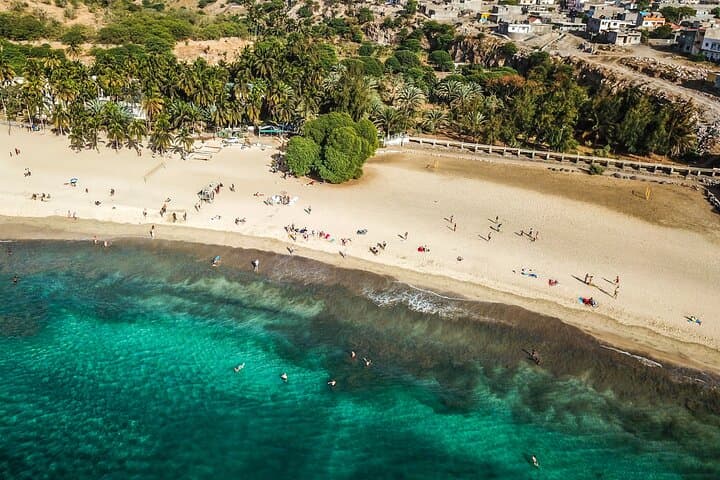
You step off the dusted coastal road and the Atlantic immediately takes the conversation — waves coaxing you toward a narrow crescent of white sand while wind-driven bougainvillea dances along low houses. Tarrafal feels purposeful: a fishing village that also holds one of Cape Verde’s most solemn sites. The day begins at the former Tarrafal Concentration Camp, now the Resistance Museum, where concrete blocks and preserved cells keep a quiet, stubborn memory of anti-colonial struggle.
You step off the dusted coastal road and the Atlantic immediately takes the conversation — waves coaxing you toward a narrow crescent of white sand while wind-driven bougainvillea dances along low houses. Tarrafal feels purposeful: a fishing village that also holds one of Cape Verde’s most solemn sites. The day begins at the former Tarrafal Concentration Camp, now the Resistance Museum, where concrete blocks and preserved cells keep a quiet, stubborn memory of anti-colonial struggle.
Geology here is volcanic and rugged; black basalt cliffs fringe sandy bays and the shoreline shelves gently before dropping toward clearer, cooler water. Culturally, Tarrafal balances historic weight with everyday warmth — fishermen mend nets in the morning, vendors roast catch over coals, and Creole-Portuguese rhythms punctuate the market.
After the museum visit, the route opens to leisure: a beach known for calm water and clear visibility invites a walk, a dip, or a shaded picnic. Expect easy grades and short stretches of uneven sand and compacted village paths rather than steep climbs.
Practical guidance: allocate five hours for a paced visit — allow time at the museum and a relaxed lunch. Bring sun protection, refillable water, and modest clothing for the memorial site. Respect the museum’s solemnity: photos are allowed in public areas but follow staff guidance. If you arrive by rental or tour from Praia, plan for a 1–1.5 hour drive each way; roads are paved but can narrow.
Tarrafal is an accessible, layered day trip that combines reflection, shoreline time, and straightforward cultural exchange — a compact portrait of Santiago’s coastline and history.