THE ADVENTURE COLLECTIVE® · Independent discovery and booking for outdoor travel

A full-day convoy from Agadir delivers an easy, immersive look at Taroudant’s clay ramparts and the palm-fringed oasis of Tiout, capped by a kasbah lunch of chicken with preserved lemon and couscous. Expect market strolls, short walks on uneven cobbles, and optional donkey rides through the palm grove.
A full-day convoy from Agadir delivers an easy, immersive look at Taroudant’s clay ramparts and the palm-fringed oasis of Tiout, capped by a kasbah lunch of chicken with preserved lemon and couscous. Expect market strolls, short walks on uneven cobbles, and optional donkey rides through the palm grove.
You step out of the air-conditioned van as the plain of Souss unfurls: rows of orange and olive trees give way to low clay ramparts that encircle Taroudant like an old city belt. The market sounds—merchants calling, sacks rustling, goats bleating—pull you into narrow alleys where light slants across sun-warmed plaster.
Verified experiences and guided adventures in the surrounding area.
Operated by Drom Travel Morocco · Taroudant, Souss-Massa
You step out of the air-conditioned van as the plain of Souss unfurls: rows of orange and olive trees give way to low clay ramparts that encircle Taroudant like an old city belt. The market sounds—merchants calling, sacks rustling, goats bleating—pull you into narrow alleys where light slants across sun-warmed plaster.
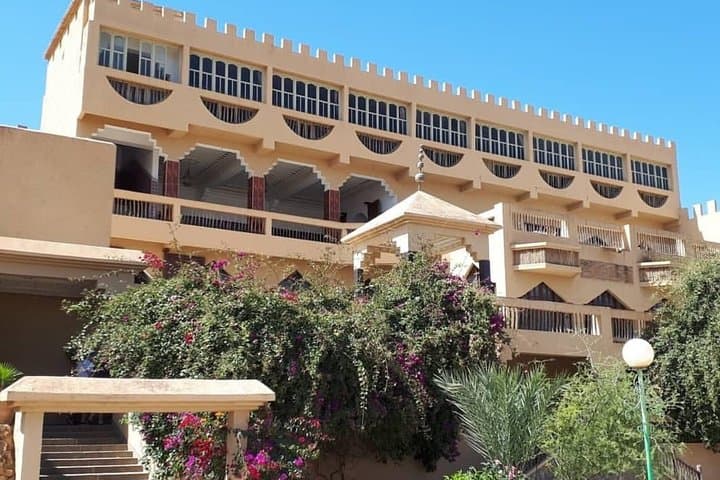
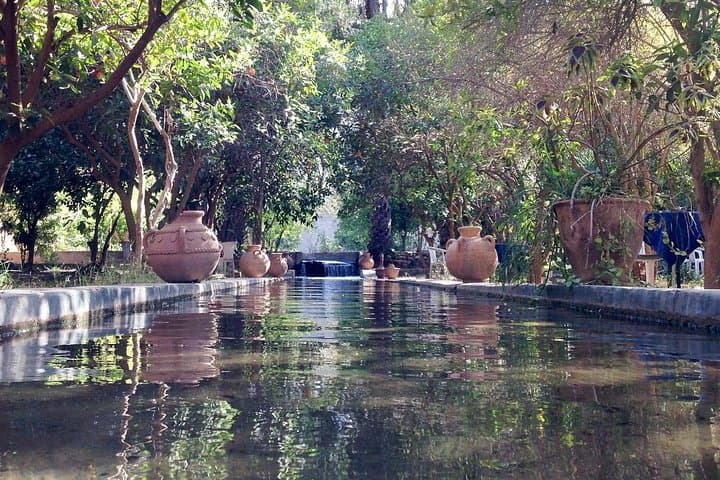
Taroudant is one of Morocco’s older market towns, its ramparts built from local clay and rising 4–5 meters above the streets. The souks here are less frenetic than Marrakech, more trade village than tourist spectacle; Berber farmers still sell saffron, argan oil, and hand-stitched leather goods brought in from the Oued Souss plain. From the city you’ll travel another 30 km to Tiout, an ochre village cradled around a palm grove and a small kasbah that looks out over terraced gardens.
Geology here is straightforward: a fertile alluvial plain fed by seasonal rivers and the sheltering Atlas foothills. Culturally, expect plain-speaking locals and markets oriented around daily life—this is agriculture first, souvenir second.
Practical guide: departures typically start mid-morning from Agadir and run about nine hours. Wear sturdy sandals or light hiking shoes for cobbles and uneven paths, carry water (the heat can be sharp), and bring sun protection. Donkey rides in Tiout are offered as an extra; the kasbah lunch usually features chicken with preserved lemon and couscous. The pace is gentle—mostly walking around markets and short climbs—so the day suits travelers looking for a cultural, low-impact outing with clear logistical support.
easy.
9 hours.
Light walking fitness is sufficient; be comfortable standing and negotiating short uneven sections.
The drive is about 80 km and typically takes around 1.5 hours each way, depending on traffic and stops.
No—the donkey ride to explore the palm grove is offered as an optional extra on-site.
Lunch (commonly chicken with preserved lemon and couscous) is included; notify the operator in advance for dietary restrictions.
Yes—the itinerary is rated physically easy and includes vehicle transfers, though infants may need lap seating and uneven ground can challenge strollers.
Taroudant’s ramparts date back centuries and the town has long been a trading hub linking the Souss plain’s agricultural produce with mountain communities.
The Souss plain relies on seasonal rivers and groundwater; avoid wasting water, use refillable bottles, and limit single-use plastics while visiting.
Drom Travel Morocco operates guided outdoor trips and adventures with an emphasis on safety, stewardship, and memorable experiences.
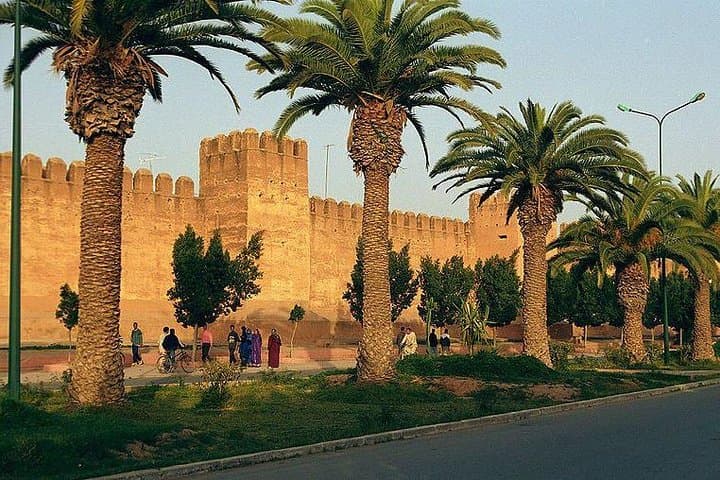
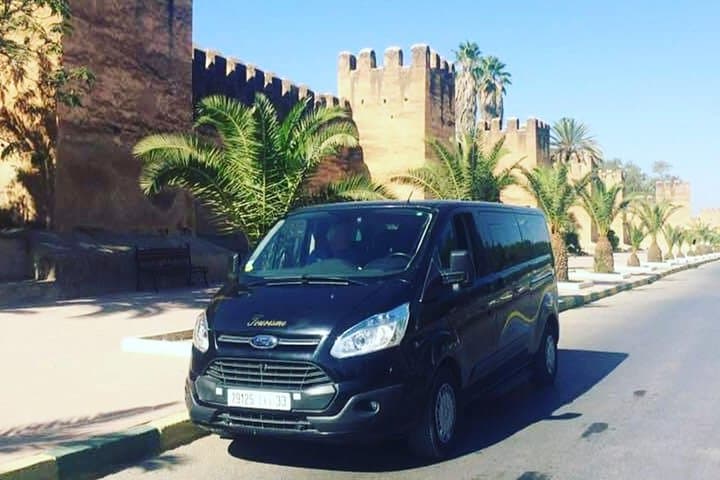
You step out of the air-conditioned van as the plain of Souss unfurls: rows of orange and olive trees give way to low clay ramparts that encircle Taroudant like an old city belt. The market sounds—merchants calling, sacks rustling, goats bleating—pull you into narrow alleys where light slants across sun-warmed plaster.
You step out of the air-conditioned van as the plain of Souss unfurls: rows of orange and olive trees give way to low clay ramparts that encircle Taroudant like an old city belt. The market sounds—merchants calling, sacks rustling, goats bleating—pull you into narrow alleys where light slants across sun-warmed plaster.
Taroudant is one of Morocco’s older market towns, its ramparts built from local clay and rising 4–5 meters above the streets. The souks here are less frenetic than Marrakech, more trade village than tourist spectacle; Berber farmers still sell saffron, argan oil, and hand-stitched leather goods brought in from the Oued Souss plain. From the city you’ll travel another 30 km to Tiout, an ochre village cradled around a palm grove and a small kasbah that looks out over terraced gardens.
Geology here is straightforward: a fertile alluvial plain fed by seasonal rivers and the sheltering Atlas foothills. Culturally, expect plain-speaking locals and markets oriented around daily life—this is agriculture first, souvenir second.
Practical guide: departures typically start mid-morning from Agadir and run about nine hours. Wear sturdy sandals or light hiking shoes for cobbles and uneven paths, carry water (the heat can be sharp), and bring sun protection. Donkey rides in Tiout are offered as an extra; the kasbah lunch usually features chicken with preserved lemon and couscous. The pace is gentle—mostly walking around markets and short climbs—so the day suits travelers looking for a cultural, low-impact outing with clear logistical support.