THE ADVENTURE COLLECTIVE® · Independent discovery and booking for outdoor travel

A brisk half-day escape from Agadir to Taroudant lets you circle 8 km of earthen ramparts, wander labyrinthine souks and watch goats perched in argan trees. This practical guide covers what to expect, brief history and simple tips to make the most of the visit.
A brisk half-day escape from Agadir to Taroudant lets you circle 8 km of earthen ramparts, wander labyrinthine souks and watch goats perched in argan trees. This practical guide covers what to expect, brief history and simple tips to make the most of the visit.
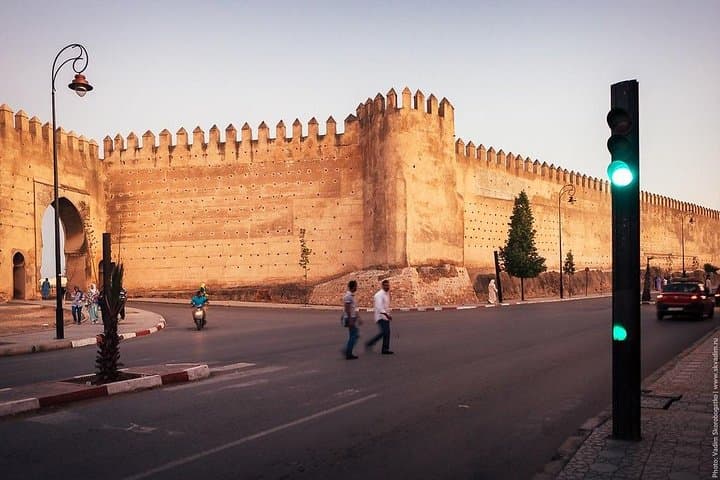
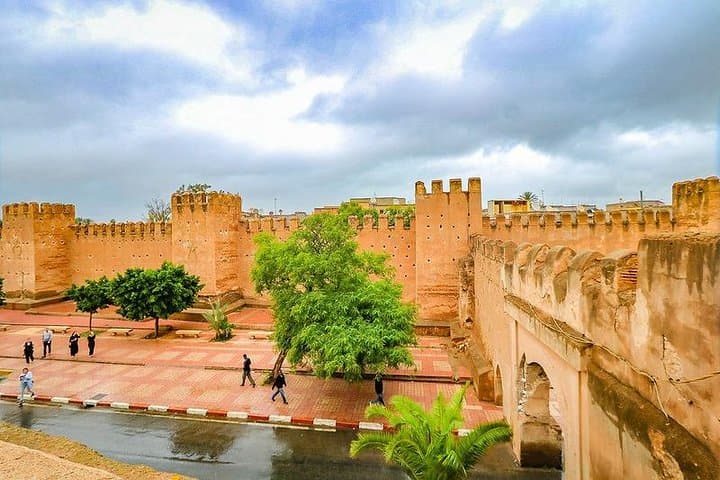
The road out of Agadir opens onto the broad Souss plain, and by mid-morning the argan trees crowd the highway—goats balance in their crowns as if daring the branches to hold them. After about 90 minutes of flat farmland and roadside cooperatives you roll into Taroudant, a low-profile walled city whose earthen ramparts rise 4–5 meters and circle the medina for roughly 8 km.
Verified experiences and guided adventures in the surrounding area.
Operated by Adi Tours · Taroudant, Souss-Massa
The road out of Agadir opens onto the broad Souss plain, and by mid-morning the argan trees crowd the highway—goats balance in their crowns as if daring the branches to hold them. After about 90 minutes of flat farmland and roadside cooperatives you roll into Taroudant, a low-profile walled city whose earthen ramparts rise 4–5 meters and circle the medina for roughly 8 km.
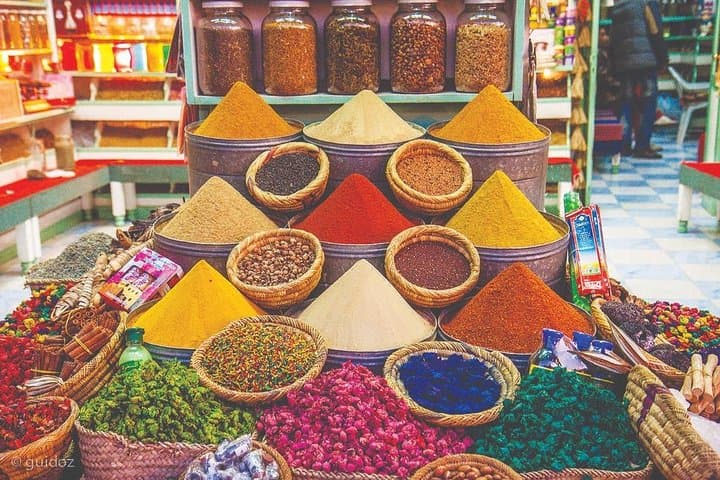
Walk the ramparts first to read the town’s history in compacted earth: these pisé walls were reinforced and repaired across centuries as Taroudant served as a market hub between the Anti-Atlas foothills and the coastal plain. Geologically the area is alluvial, feeding the fertile Souss valley; culturally it’s a meeting point of Berber and Arab traditions—craftspeople, dyers and argan artisans fill narrow alleys where the air is lightly scented with spices and leather.
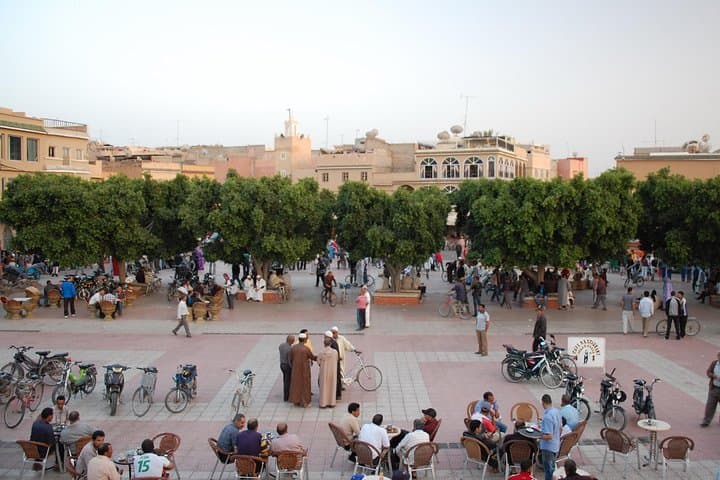
Your guide will point out Salam Palace (the former pasha’s house turned riad), then lead you through the souks—leather stalls, metalworkers and food markets—before a coffee break in Asarag Square where water sellers and traditional musicians animate the scene. Expect bargaining, small-scale workshops and photo opportunities with local performers.
Practical side: the tour is low-impact walking (suitable for most ages), lasts about five hours including transport, and runs best in the cooler morning or late afternoon. Bring cash in small bills, sun protection, comfortable shoes, and a modest attitude for entering markets. Respect photography etiquette in the squares and consider a visit to a local argan cooperative on the return for a short insight into sustainable production.
easy.
5 hours.
Light walking fitness—comfortable on flat cobbles and short stair sections; suitable for most ages.
The full tour is about five hours total—roughly 1.5 hours each way by road plus around two hours exploring Taroudant.
Some main streets and squares are accessible, but many alleys are narrow and uneven; stroller access is possible in limited areas and assistance may be required.
This guided tour focuses on walking the ramparts and visiting souks; typical entrance fees to private riads or museums are usually not included—confirm with your operator.
Yes—many cooperatives sell oils and cosmetics on site; check packaging and ask about production methods if you prefer certified organic or cooperative-sourced products.
Taroudant grew as a trading fortress in the Souss valley; its continuous earthen ramparts reflect centuries of local repair using rammed-earth techniques common to southern Morocco.
Argan trees are protected by local cooperatives and NGO programs; sustainable tourism supports these initiatives and helps limit pressure from overharvesting.
Adi Tours operates guided outdoor trips and adventures with an emphasis on safety, stewardship, and memorable experiences.
The road out of Agadir opens onto the broad Souss plain, and by mid-morning the argan trees crowd the highway—goats balance in their crowns as if daring the branches to hold them. After about 90 minutes of flat farmland and roadside cooperatives you roll into Taroudant, a low-profile walled city whose earthen ramparts rise 4–5 meters and circle the medina for roughly 8 km.
The road out of Agadir opens onto the broad Souss plain, and by mid-morning the argan trees crowd the highway—goats balance in their crowns as if daring the branches to hold them. After about 90 minutes of flat farmland and roadside cooperatives you roll into Taroudant, a low-profile walled city whose earthen ramparts rise 4–5 meters and circle the medina for roughly 8 km.
Walk the ramparts first to read the town’s history in compacted earth: these pisé walls were reinforced and repaired across centuries as Taroudant served as a market hub between the Anti-Atlas foothills and the coastal plain. Geologically the area is alluvial, feeding the fertile Souss valley; culturally it’s a meeting point of Berber and Arab traditions—craftspeople, dyers and argan artisans fill narrow alleys where the air is lightly scented with spices and leather.
Your guide will point out Salam Palace (the former pasha’s house turned riad), then lead you through the souks—leather stalls, metalworkers and food markets—before a coffee break in Asarag Square where water sellers and traditional musicians animate the scene. Expect bargaining, small-scale workshops and photo opportunities with local performers.
Practical side: the tour is low-impact walking (suitable for most ages), lasts about five hours including transport, and runs best in the cooler morning or late afternoon. Bring cash in small bills, sun protection, comfortable shoes, and a modest attitude for entering markets. Respect photography etiquette in the squares and consider a visit to a local argan cooperative on the return for a short insight into sustainable production.