THE ADVENTURE COLLECTIVE® · Independent discovery and booking for outdoor travel

A full-day excursion from Agadir to the Tiout palm grove and the red-walled city of Taroudant. Ride a donkey in the oasis, share a home-cooked lunch with locals, then explore ramparts and souks in a compact, walkable medina.
A full-day excursion from Agadir to the Tiout palm grove and the red-walled city of Taroudant. Ride a donkey in the oasis, share a home-cooked lunch with locals, then explore ramparts and souks in a compact, walkable medina.
The minibus eases out of Agadir at first light and the Atlantic chill gives way to sun on the Souss plain. Roads open to long bands of palms; the Anti-Atlas rises as a low, folded horizon. By midmorning you step into Tiout, a small palm grove perched on a rocky hill where paths narrow and a donkey’s slow rhythm feels entirely appropriate.
Verified experiences and guided adventures in the surrounding area.
Operated by Agadir Safari · Taroudant, Souss-Massa
The minibus eases out of Agadir at first light and the Atlantic chill gives way to sun on the Souss plain. Roads open to long bands of palms; the Anti-Atlas rises as a low, folded horizon. By midmorning you step into Tiout, a small palm grove perched on a rocky hill where paths narrow and a donkey’s slow rhythm feels entirely appropriate.
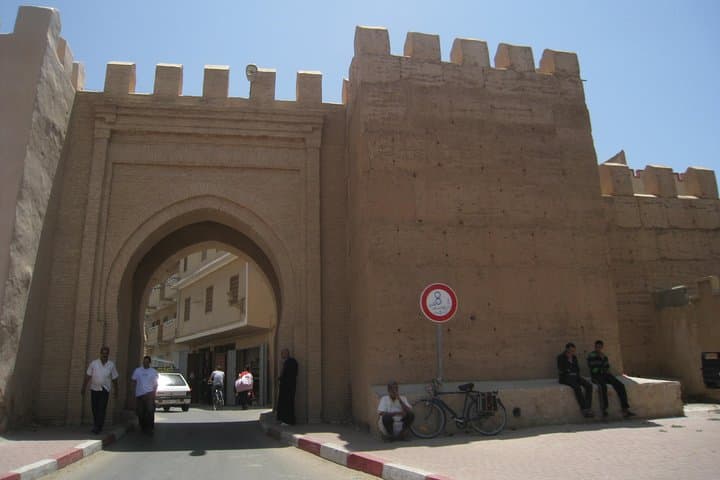
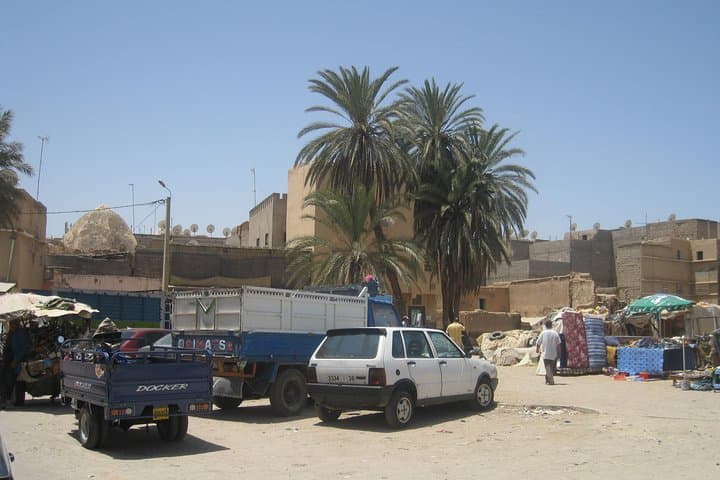
Tiout’s palms are fed by groundwater channeled from mountain aquifers—an irrigation logic that has supported Berber villages here for centuries. The oasis sits at the transition between the fertile Souss valley and the rugged foothills of the Anti-Atlas; visiting families still farm small plots and host communal lunches of tagine, fresh bread and mint tea. Later, Taroudant’s red-mud ramparts come into view: roughly six kilometers of crenellated walls that once guarded caravan routes and now offer a compact, walkable medina that locals compare to a smaller Marrakech.
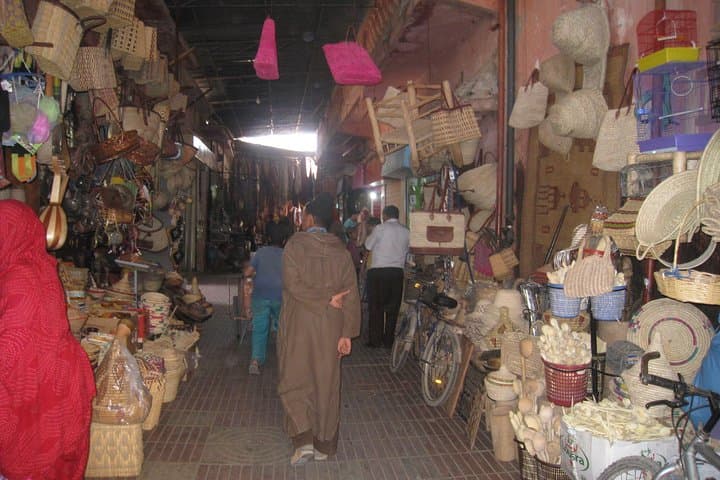
Expect tight souk alleys, craftsmen shaping leather and brass, and a climb or two along the rampart for wide views over orange groves. The trip is low-impact—short walks on cobbles and dirt tracks—but the sun and market bustle demand preparation. Carry water, wear sturdy walking shoes for uneven streets, keep small bills handy for purchases, and dress respectfully when entering family homes. If you want photos of the ramparts at their most dramatic, aim for late afternoon light before the minibus heads back to Agadir around 17:00.
easy.
8 hours.
Light fitness suitable for most travelers; involves short walks on uneven ground and brief climbs to viewpoints.
The trip is about 1.5–2 hours each way depending on traffic and stops, with a full-day schedule of roughly 8 hours.
Yes; the local meal typically includes a home-cooked tagine or shared dishes, fresh bread and mint tea, accommodating common dietary needs if requested in advance.
The tour is generally family-friendly and listed as suitable for all fitness levels, but some short, uneven sections (and donkey rides) may not be ideal for limited mobility—check accessibility specifics with the operator.
Yes; buying textiles, leatherwork and spices is common—bargaining is expected but always polite and friendly.
Taroudant grew as a caravan and trading hub in the Souss valley; its earthen ramparts date back several centuries and reflect the city’s strategic role between the Atlas ranges and the coast.
Oasis agriculture depends on local water management; support low-impact tourism by using guided services that respect irrigation patterns and avoiding plastic waste.
Agadir Safari operates guided outdoor trips and adventures with an emphasis on safety, stewardship, and memorable experiences.
The minibus eases out of Agadir at first light and the Atlantic chill gives way to sun on the Souss plain. Roads open to long bands of palms; the Anti-Atlas rises as a low, folded horizon. By midmorning you step into Tiout, a small palm grove perched on a rocky hill where paths narrow and a donkey’s slow rhythm feels entirely appropriate.
The minibus eases out of Agadir at first light and the Atlantic chill gives way to sun on the Souss plain. Roads open to long bands of palms; the Anti-Atlas rises as a low, folded horizon. By midmorning you step into Tiout, a small palm grove perched on a rocky hill where paths narrow and a donkey’s slow rhythm feels entirely appropriate.
Tiout’s palms are fed by groundwater channeled from mountain aquifers—an irrigation logic that has supported Berber villages here for centuries. The oasis sits at the transition between the fertile Souss valley and the rugged foothills of the Anti-Atlas; visiting families still farm small plots and host communal lunches of tagine, fresh bread and mint tea. Later, Taroudant’s red-mud ramparts come into view: roughly six kilometers of crenellated walls that once guarded caravan routes and now offer a compact, walkable medina that locals compare to a smaller Marrakech.
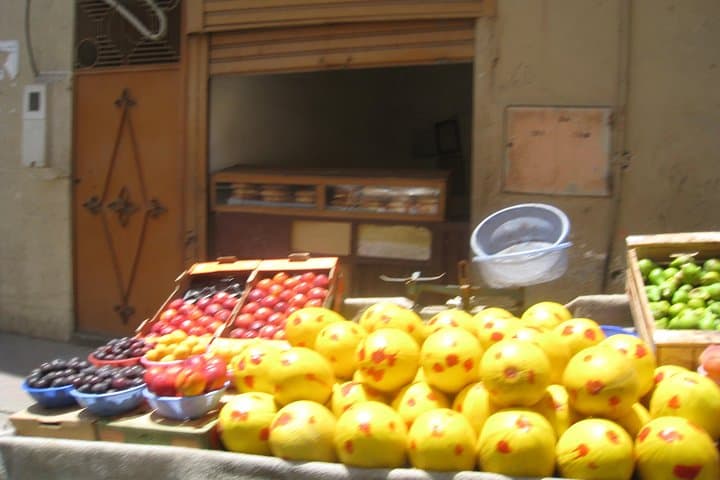
Expect tight souk alleys, craftsmen shaping leather and brass, and a climb or two along the rampart for wide views over orange groves. The trip is low-impact—short walks on cobbles and dirt tracks—but the sun and market bustle demand preparation. Carry water, wear sturdy walking shoes for uneven streets, keep small bills handy for purchases, and dress respectfully when entering family homes. If you want photos of the ramparts at their most dramatic, aim for late afternoon light before the minibus heads back to Agadir around 17:00.