THE ADVENTURE COLLECTIVE® · Independent discovery and booking for outdoor travel

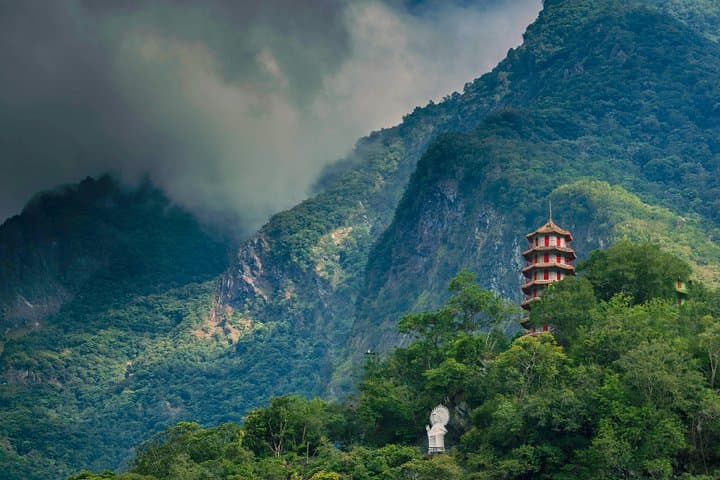
Explore Xilaan Trail, an almost-forgotten indigenous road opposite Taroko’s Eternal Spring Shrine. This moderate hike follows original stonework to an abandoned hilltop terrace with sweeping ocean views and a cool natural vent.
Explore Xilaan Trail, an almost-forgotten indigenous road opposite Taroko’s Eternal Spring Shrine. This moderate hike follows original stonework to an abandoned hilltop terrace with sweeping ocean views and a cool natural vent.
You step off the narrow mountain road and into a corridor of moss-dark trunks; the forest closes behind you and the Pacific coast opens ahead in a ribbon of blue. The Xilaan Trail is an old indigenous thoroughfare on the opposite side of the Changchun (Eternal Spring) Shrine, largely unchanged — rock steps, worn switchbacks and a long-abandoned hilltop terrace that once held thirty households.
Verified experiences and guided adventures in the surrounding area.
Operated by Uniquefuntw · Hualien, Hualien County
You step off the narrow mountain road and into a corridor of moss-dark trunks; the forest closes behind you and the Pacific coast opens ahead in a ribbon of blue. The Xilaan Trail is an old indigenous thoroughfare on the opposite side of the Changchun (Eternal Spring) Shrine, largely unchanged — rock steps, worn switchbacks and a long-abandoned hilltop terrace that once held thirty households.
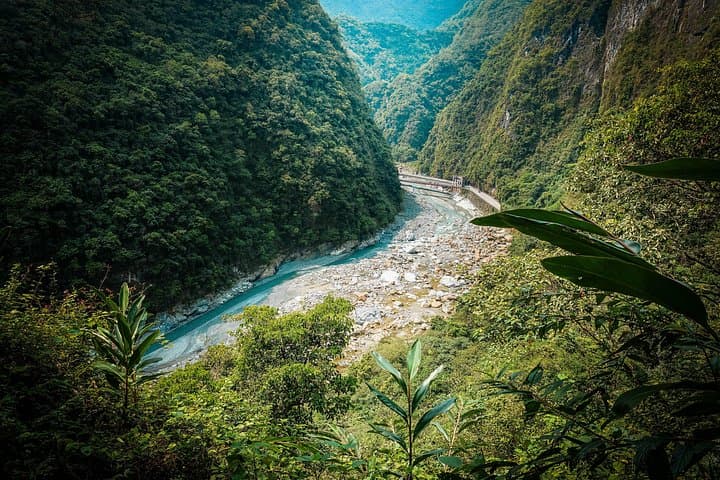
Geology here is karst-marred marble and steep gorges carved by rivers that dared generations to cross. The trail threads secondary growth forest, lemon plots and occasional openings where the sea and Taroko’s white cliffs come into view. Cultural traces appear in stone walls and a scattering of ruins; this route was a local artery before modern roads replaced it. Birdsong and insect choruses are common; a natural vent along the route offers a sudden cool draft and a quiet place to rest.
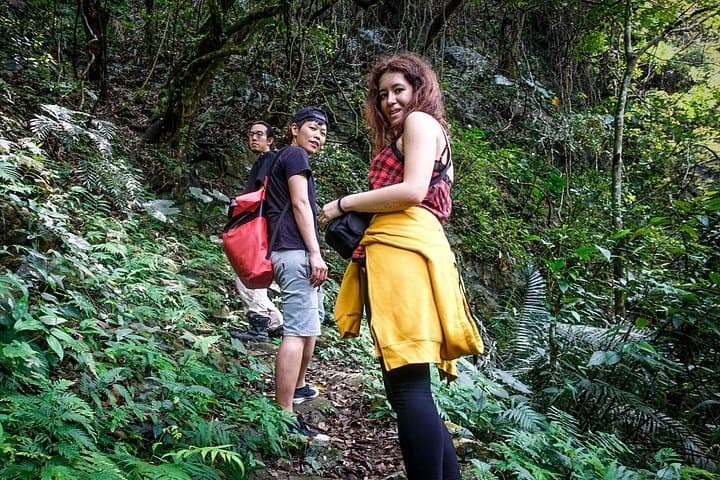
Expect six to eight hours including transfers, short sidetrips and snack breaks. The hike involves uneven native trail, some loose rock and modest elevation gain as you climb toward the hilltop clearing — moderate fitness recommended. Timing matters: start early for coastal light and to avoid afternoon showers in summer. Carry water, a rain shell and sturdy footwear; the forest can be slippery after rain.
Logistics: local operators may require a minimum group size, provide basic snacks and ask you to join a Whatsapp or Line contact the day before. The hike is practical and introspective — not a polished tourist route, but a direct way to read Taroko’s human and geological past while moving through an unexpectedly wild stretch of Taiwan’s east coast.
moderate.
6–8 hours (including transfers).
Moderate cardiovascular fitness and comfort on uneven terrain; able to handle continuous uphill sections and descent.
The tour typically arranges a short transfer from Hualien; final pickup location is sent one day before departure and self-arrivals are possible if arranged.
The trail is historical and uneven; beginners with basic fitness can complete it but should expect steep sections and rough footing.
Facilities are minimal—expect no toilets on the trail itself; snacks are provided by the operator and there is a seafront stop near the end with basic amenities.
Full refund is available if you cancel at least 24 hours before departure; the operator cancels for bad weather or insufficient participants and offers refunds accordingly.
Xilaan was once a key indigenous route and local transport artery; the hilltop settlement was abandoned several decades ago as roads and modern centers shifted populations.
The area is sensitive; stick to the old road, avoid disturbing ruins or wildlife, and pack out all trash to protect fragile forest and coastal ecosystems.
Uniquefuntw operates guided outdoor trips and adventures with an emphasis on safety, stewardship, and memorable experiences.
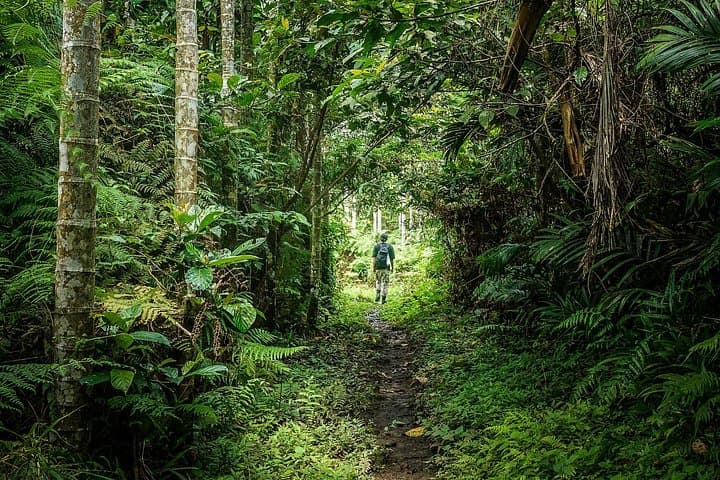
You step off the narrow mountain road and into a corridor of moss-dark trunks; the forest closes behind you and the Pacific coast opens ahead in a ribbon of blue. The Xilaan Trail is an old indigenous thoroughfare on the opposite side of the Changchun (Eternal Spring) Shrine, largely unchanged — rock steps, worn switchbacks and a long-abandoned hilltop terrace that once held thirty households.
You step off the narrow mountain road and into a corridor of moss-dark trunks; the forest closes behind you and the Pacific coast opens ahead in a ribbon of blue. The Xilaan Trail is an old indigenous thoroughfare on the opposite side of the Changchun (Eternal Spring) Shrine, largely unchanged — rock steps, worn switchbacks and a long-abandoned hilltop terrace that once held thirty households.
Geology here is karst-marred marble and steep gorges carved by rivers that dared generations to cross. The trail threads secondary growth forest, lemon plots and occasional openings where the sea and Taroko’s white cliffs come into view. Cultural traces appear in stone walls and a scattering of ruins; this route was a local artery before modern roads replaced it. Birdsong and insect choruses are common; a natural vent along the route offers a sudden cool draft and a quiet place to rest.
Expect six to eight hours including transfers, short sidetrips and snack breaks. The hike involves uneven native trail, some loose rock and modest elevation gain as you climb toward the hilltop clearing — moderate fitness recommended. Timing matters: start early for coastal light and to avoid afternoon showers in summer. Carry water, a rain shell and sturdy footwear; the forest can be slippery after rain.
Logistics: local operators may require a minimum group size, provide basic snacks and ask you to join a Whatsapp or Line contact the day before. The hike is practical and introspective — not a polished tourist route, but a direct way to read Taroko’s human and geological past while moving through an unexpectedly wild stretch of Taiwan’s east coast.