THE ADVENTURE COLLECTIVE® · Independent discovery and booking for outdoor travel

A half-day wildlife run along Costa Rica’s Central Pacific: spot playful monkeys in coastal forest, then glide the Tarcoles River past sunning American crocodiles. Ideal for first-time wildlife watchers and photographers seeking reliable sightings.
A half-day wildlife run along Costa Rica’s Central Pacific: spot playful monkeys in coastal forest, then glide the Tarcoles River past sunning American crocodiles. Ideal for first-time wildlife watchers and photographers seeking reliable sightings.
Dawn breaks low over the Pacific mangroves and the first monkey calls slice through humid air. You’ll meet the day on shaded forest trails, watching white-faced capuchins and howler monkeys move with quick, practiced mischief through low branches.
Verified experiences and guided adventures in the surrounding area.
Operated by G&R Adventures · Tarcoles, Puntarenas
Dawn breaks low over the Pacific mangroves and the first monkey calls slice through humid air. You’ll meet the day on shaded forest trails, watching white-faced capuchins and howler monkeys move with quick, practiced mischief through low branches.
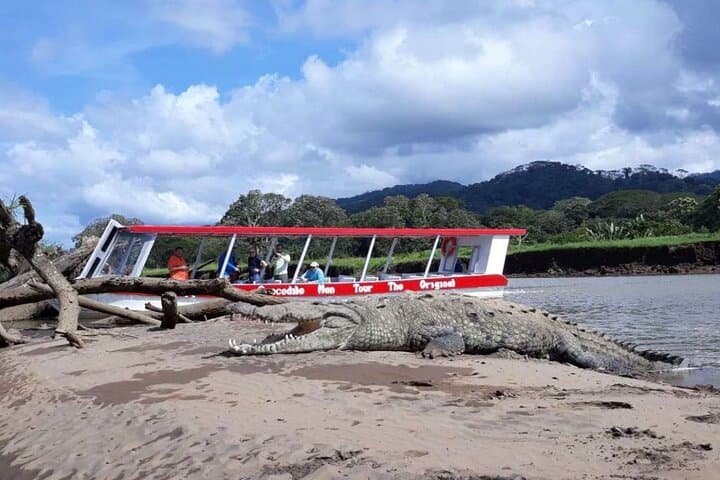
This short coastal corridor sits where Costa Rica’s Central Pacific meets the dry-interior forest; geology here is a mix of alluvial river flats and eroded volcanic soils that feed rich mangrove channels. The Tarcoles estuary has long supported local fishing communities and, more recently, guided wildlife tourism. Crocodiles that lounge along the mud banks are American crocodiles—their lineage traces back millions of years—while birds and iguanas share the sun-washed river edges.
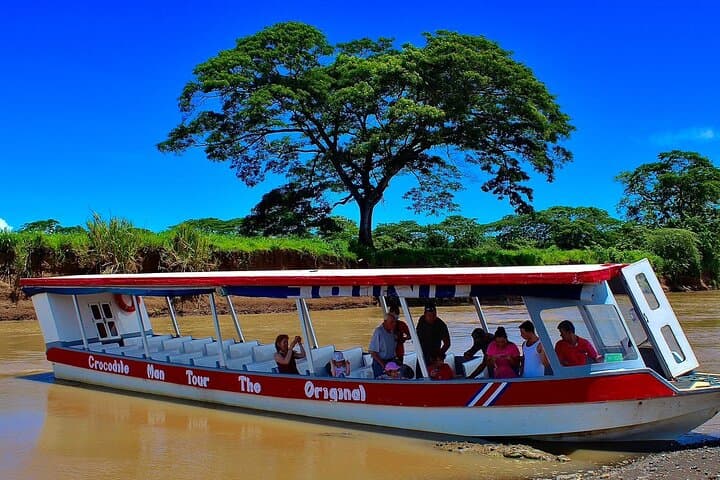
The tour typically runs 4–5 hours, beginning near Puerto Caldera with a land transfer in an air-conditioned vehicle and a guided walk to see monkeys, followed by a 1–2 hour boat ride through mangroves to view crocodiles from a safe distance. Guides bring binoculars and sometimes a telescope and will explain behavior, tides, and why this estuary concentrates wildlife.
Expect close but non-intrusive wildlife encounters: animals observed in situ, interpretive commentary, and photo opportunities from the boat. Practical preparation pays off — bring insect repellent, sun protection, a camera with a zoom lens, and steady shoes for slippery riverbanks. Respect local conservation rules: no feeding, keep noise low, and follow your guide’s safety briefings to protect both you and the animals.
easy.
4–5 hours.
Suitable for most fitness levels; requires short walks on uneven, sometimes muddy trails and steady balance getting on/off a small boat.
Yes—operators keep a safe distance and guides are trained to navigate channels for viewing; never attempt to touch or feed wildlife.
Yes—infant seats are available and the tour is rated easy, but parents should supervise near water and follow guide instructions.
The operator may cancel for safety in heavy rain or high winds; the listed cancellation policy allows a full refund if canceled at least 24 hours in advance.
No specialized fitness is required—expect short, uneven trail sections and boarding a small boat; those with mobility concerns should notify the operator ahead of time.
The Tarcoles estuary and adjacent coastal lands have long supported small-scale fisheries and act as an ecological transition zone between Costa Rica’s dry and humid forests.
Mangroves here are vital nursery habitat; visitors should avoid littering, never feed wildlife, and support guides who follow low-impact practices.
G&R Adventures operates guided outdoor trips and adventures with an emphasis on safety, stewardship, and memorable experiences.
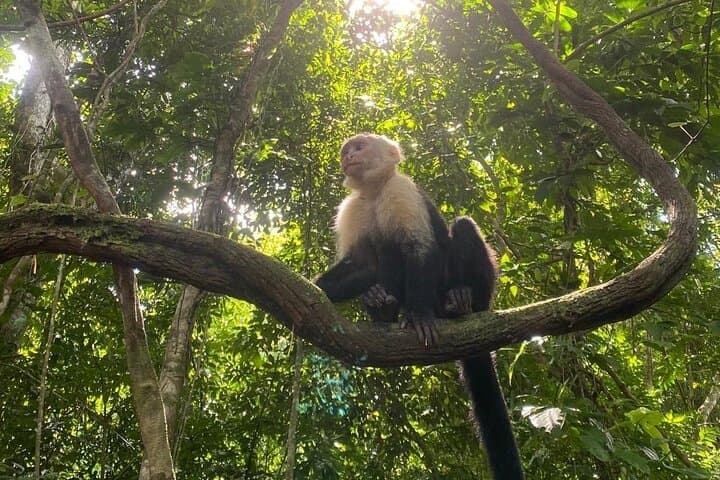
Dawn breaks low over the Pacific mangroves and the first monkey calls slice through humid air. You’ll meet the day on shaded forest trails, watching white-faced capuchins and howler monkeys move with quick, practiced mischief through low branches.
Dawn breaks low over the Pacific mangroves and the first monkey calls slice through humid air. You’ll meet the day on shaded forest trails, watching white-faced capuchins and howler monkeys move with quick, practiced mischief through low branches.
This short coastal corridor sits where Costa Rica’s Central Pacific meets the dry-interior forest; geology here is a mix of alluvial river flats and eroded volcanic soils that feed rich mangrove channels. The Tarcoles estuary has long supported local fishing communities and, more recently, guided wildlife tourism. Crocodiles that lounge along the mud banks are American crocodiles—their lineage traces back millions of years—while birds and iguanas share the sun-washed river edges.
The tour typically runs 4–5 hours, beginning near Puerto Caldera with a land transfer in an air-conditioned vehicle and a guided walk to see monkeys, followed by a 1–2 hour boat ride through mangroves to view crocodiles from a safe distance. Guides bring binoculars and sometimes a telescope and will explain behavior, tides, and why this estuary concentrates wildlife.
Expect close but non-intrusive wildlife encounters: animals observed in situ, interpretive commentary, and photo opportunities from the boat. Practical preparation pays off — bring insect repellent, sun protection, a camera with a zoom lens, and steady shoes for slippery riverbanks. Respect local conservation rules: no feeding, keep noise low, and follow your guide’s safety briefings to protect both you and the animals.