THE ADVENTURE COLLECTIVE® · Independent discovery and booking for outdoor travel

Glide through the mangrove channels of the Tárcoles River to watch American crocodiles and fifty-plus bird species. This two-hour, wheelchair-accessible boat cruise from the Jaco area pairs close wildlife viewing with knowledgeable bilingual guides.
Glide through the mangrove channels of the Tárcoles River to watch American crocodiles and fifty-plus bird species. This two-hour, wheelchair-accessible boat cruise from the Jaco area pairs close wildlife viewing with knowledgeable bilingual guides.
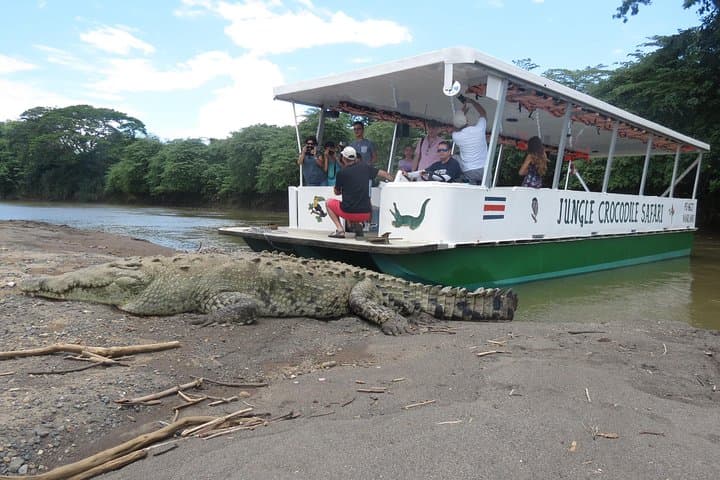
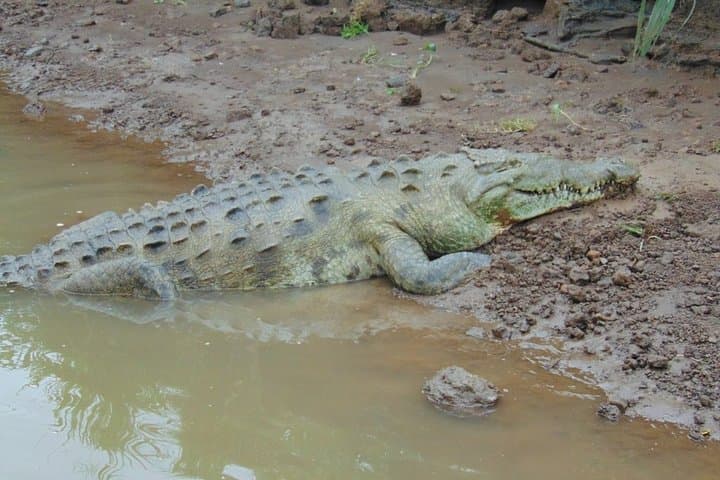
The boat slips away from the dock and the mangroves close around you like a moving wall of roots and green. Salt tang rides the air; the river’s current nudges the hull forward and the mangrove trunks seem to lean in to watch. Within minutes your guide points—there, half-submerged on a muddy bank, a bulky silhouette basks: the American crocodile, ancient and indifferent to cameras.
Verified experiences and guided adventures in the surrounding area.
Operated by INVERSIONES TURISTICAS DE CENTROAMERICA SOCIEDAD ANONIMA · Jaco, Puntarenas
The boat slips away from the dock and the mangroves close around you like a moving wall of roots and green. Salt tang rides the air; the river’s current nudges the hull forward and the mangrove trunks seem to lean in to watch. Within minutes your guide points—there, half-submerged on a muddy bank, a bulky silhouette basks: the American crocodile, ancient and indifferent to cameras.
The Tárcoles is a river mouth estuary where Pacific tides mix with freshwater run-off, creating mudflats and mangrove channels that concentrate fish and birds. The area sits near the edge of Carara’s transition zone between dry forest and humid coastal rainforest, so the bird life reflects both worlds—kingfishers, herons and the occasional scarlet macaw that passes like a bright punctuation mark.
Locally the river has been a fishing corridor and a landmark for coastal communities for generations; the infamous Tárcoles Bridge made crocodile-spotting a roadside spectacle long before ecotourism formalized boat trips. Geologically, the estuary is shaped by sediment from inland rivers, creating the broad, shallow channels where crocs ambush prey.
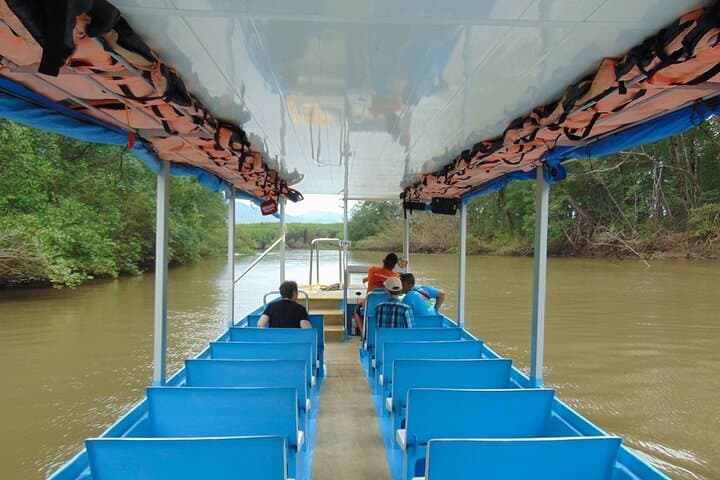
Practically: this is a slow, guided 2-hour motorboat cruise suitable for most visitors (wheelchair-accessible dock). Expect close shoreline views of crocodiles up to 4+ meters and opportunities to spot 40–50 bird species—bring binoculars and a camera with a long lens. Mornings favor active birds; later in the day crocodiles sun more openly. Follow guide instructions, stay seated when near banks, and avoid feeding wildlife. Hydrate, wear sun protection, and prepare for occasional spray and mosquitoes during the rainy season.
easy.
2 hours.
Minimal fitness required—able to board a small boat and remain seated for the cruise.
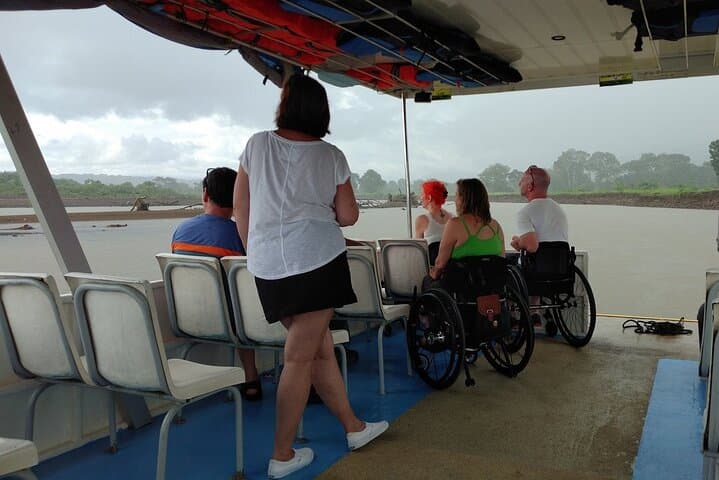
Yes—the dock and surfaces are wheelchair accessible and transportation options can accommodate wheelchairs; notify operator of needs when booking.
Sightings are very likely—Tárcoles is known for its large American crocodile population, but wildlife is never guaranteed and viewing can vary by tide and season.
Yes—stroller access is possible and the tour is family-friendly, but children must remain seated and supervised; life jackets are provided.
Light, quick-dry clothing, sun protection, binoculars, insect repellent, and a waterproof bag for electronics are recommended.
The Tárcoles corridor has long served coastal fishing communities and became a wildlife-watching destination after roadside crocodile sightings drew photographers and researchers.
Mangroves and estuaries here are critical coastal buffers and nurseries; avoid disturbing banks, do not feed wildlife, and support operators that follow no‑feed policies.
INVERSIONES TURISTICAS DE CENTROAMERICA SOCIEDAD ANONIMA operates guided outdoor trips and adventures with an emphasis on safety, stewardship, and memorable experiences.
The boat slips away from the dock and the mangroves close around you like a moving wall of roots and green. Salt tang rides the air; the river’s current nudges the hull forward and the mangrove trunks seem to lean in to watch. Within minutes your guide points—there, half-submerged on a muddy bank, a bulky silhouette basks: the American crocodile, ancient and indifferent to cameras.
The boat slips away from the dock and the mangroves close around you like a moving wall of roots and green. Salt tang rides the air; the river’s current nudges the hull forward and the mangrove trunks seem to lean in to watch. Within minutes your guide points—there, half-submerged on a muddy bank, a bulky silhouette basks: the American crocodile, ancient and indifferent to cameras.
The Tárcoles is a river mouth estuary where Pacific tides mix with freshwater run-off, creating mudflats and mangrove channels that concentrate fish and birds. The area sits near the edge of Carara’s transition zone between dry forest and humid coastal rainforest, so the bird life reflects both worlds—kingfishers, herons and the occasional scarlet macaw that passes like a bright punctuation mark.
Locally the river has been a fishing corridor and a landmark for coastal communities for generations; the infamous Tárcoles Bridge made crocodile-spotting a roadside spectacle long before ecotourism formalized boat trips. Geologically, the estuary is shaped by sediment from inland rivers, creating the broad, shallow channels where crocs ambush prey.
Practically: this is a slow, guided 2-hour motorboat cruise suitable for most visitors (wheelchair-accessible dock). Expect close shoreline views of crocodiles up to 4+ meters and opportunities to spot 40–50 bird species—bring binoculars and a camera with a long lens. Mornings favor active birds; later in the day crocodiles sun more openly. Follow guide instructions, stay seated when near banks, and avoid feeding wildlife. Hydrate, wear sun protection, and prepare for occasional spray and mosquitoes during the rainy season.