THE ADVENTURE COLLECTIVE® · Independent discovery and booking for outdoor travel

Pair hands-on cacao processing with a one-hour Tarcoles River boat safari to see American crocodiles and coastal birds. This shore excursion blends agroecology, local culture and wildlife viewing into a practical half-day outing from Puntarenas.
Pair hands-on cacao processing with a one-hour Tarcoles River boat safari to see American crocodiles and coastal birds. This shore excursion blends agroecology, local culture and wildlife viewing into a practical half-day outing from Puntarenas.
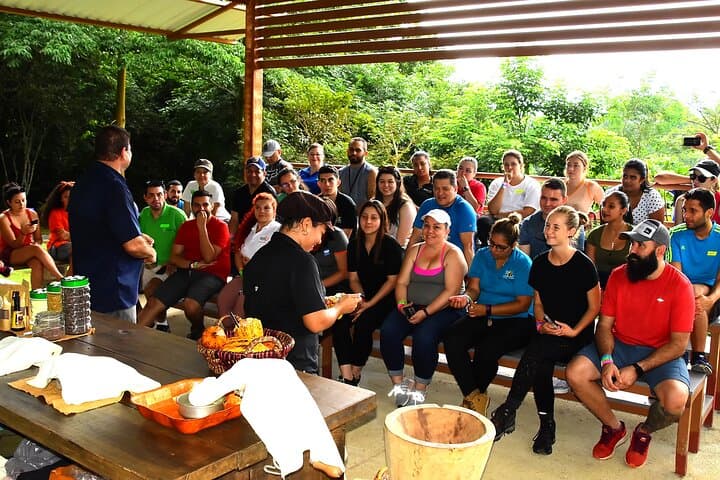
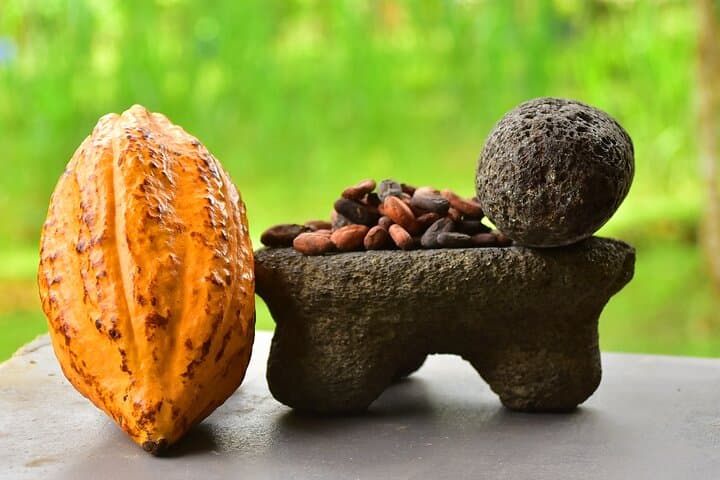
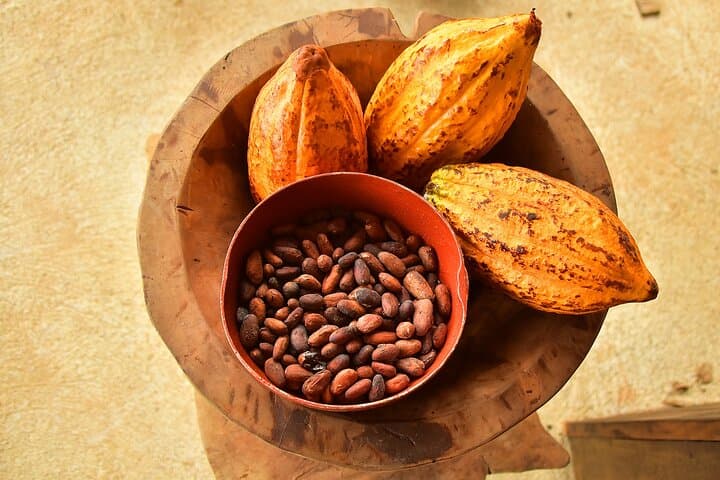
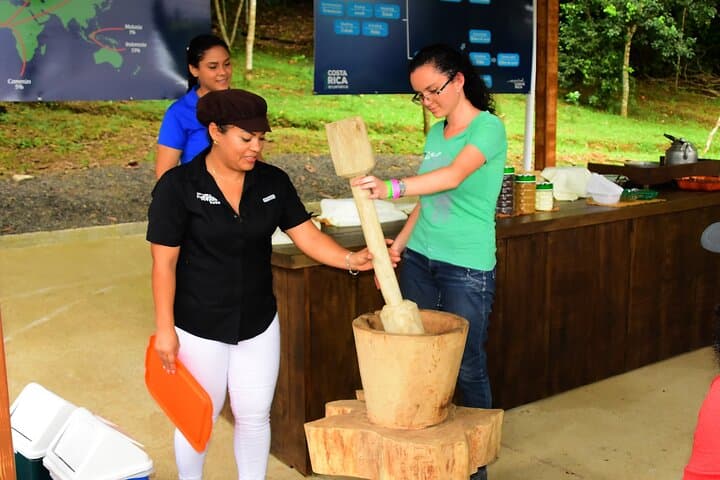
The boat rounds a slow bend in the Tarcoles River and a dark line of teeth breaks the water like an old log deciding to move — crocodiles loom where mangroves meet open estuary. Earlier, visitors walk between cacao trees, cup warm fermented beans and grind a paste by hand; the air smells of earth and sugar, a raw reminder that chocolate begins as a fruit of the rainforest.
Verified experiences and guided adventures in the surrounding area.
Operated by Greenway Nature Day Tours · Puntarenas, Puntarenas Province
The boat rounds a slow bend in the Tarcoles River and a dark line of teeth breaks the water like an old log deciding to move — crocodiles loom where mangroves meet open estuary. Earlier, visitors walk between cacao trees, cup warm fermented beans and grind a paste by hand; the air smells of earth and sugar, a raw reminder that chocolate begins as a fruit of the rainforest.
This combined experience pairs agroecology with coastal wildlife. The cacao segment explains fermentation, drying and traditional roasting methods that shape flavor; local farmers speak to small-scale production and the cultural role of cacao in Costa Rican rural life. Geologically the region is a low-lying Pacific coastal plain fed by rivers that deposit silt, creating rich marshes that attract waterfowl and support American crocodiles. Culturally, towns around Puntarenas and Jaco grew with tourism and fishing, and many tours work with nearby communities to share income and knowledge.
Practical guidance: the program is about six hours total — expect roughly two hours for the chocolate workshop and a one-hour boat cruise plus transfers. Wear sturdy, closed-toe shoes for farm paths and a hat for sun on the river. Bring insect repellent and a light rain layer in the wet season; boats can spray. Photography works best with zoom lenses for wildlife; stay seated and listen to the naturalist to learn safe distances around crocodiles.
The rhythm of this excursion alternates tactile, hands-on learning with slow wildlife watching — it’s part culinary education, part river safari, and wholly grounded in coastal Costa Rica’s living landscape.
moderate.
5–6 hours.
Suitable for most active travelers who can walk short distances on uneven ground and board a small boat.
The guided eco boat tour lasts about 60 minutes and focuses on crocodile and bird viewing along the river's estuary.
Yes — the two-hour chocolate segment includes hands-on steps like bean inspection and grinding; children must be supervised by adults.
Yes, but passengers must provide ship name and exact docking/boarding times at booking to ensure timely transfers back to the pier.
The tour includes a fruit snack and bottled water; full meals are not provided, so plan accordingly if you need more substantial food.
Cacao has a long history in Central America; in coastal Costa Rica smallholder cacao farms have transitioned from subsistence crops to specialty products tied to agro-tourism.
Tarcoles and nearby Carara habitats are sensitive; choose operators who limit boat speed and follow wildlife-distance guidelines to reduce disturbance and bank erosion.
Greenway Nature Day Tours operates guided outdoor trips and adventures with an emphasis on safety, stewardship, and memorable experiences.
The boat rounds a slow bend in the Tarcoles River and a dark line of teeth breaks the water like an old log deciding to move — crocodiles loom where mangroves meet open estuary. Earlier, visitors walk between cacao trees, cup warm fermented beans and grind a paste by hand; the air smells of earth and sugar, a raw reminder that chocolate begins as a fruit of the rainforest.
The boat rounds a slow bend in the Tarcoles River and a dark line of teeth breaks the water like an old log deciding to move — crocodiles loom where mangroves meet open estuary. Earlier, visitors walk between cacao trees, cup warm fermented beans and grind a paste by hand; the air smells of earth and sugar, a raw reminder that chocolate begins as a fruit of the rainforest.
This combined experience pairs agroecology with coastal wildlife. The cacao segment explains fermentation, drying and traditional roasting methods that shape flavor; local farmers speak to small-scale production and the cultural role of cacao in Costa Rican rural life. Geologically the region is a low-lying Pacific coastal plain fed by rivers that deposit silt, creating rich marshes that attract waterfowl and support American crocodiles. Culturally, towns around Puntarenas and Jaco grew with tourism and fishing, and many tours work with nearby communities to share income and knowledge.
Practical guidance: the program is about six hours total — expect roughly two hours for the chocolate workshop and a one-hour boat cruise plus transfers. Wear sturdy, closed-toe shoes for farm paths and a hat for sun on the river. Bring insect repellent and a light rain layer in the wet season; boats can spray. Photography works best with zoom lenses for wildlife; stay seated and listen to the naturalist to learn safe distances around crocodiles.
The rhythm of this excursion alternates tactile, hands-on learning with slow wildlife watching — it’s part culinary education, part river safari, and wholly grounded in coastal Costa Rica’s living landscape.