THE ADVENTURE COLLECTIVE® · Independent discovery and booking for outdoor travel

Float into the Tarawera’s clear, pulsing flow: a two-hour Grade 2–3 rafting run near Rotorua that balances family-friendly rapids with local Māori stories and volcanic geology. Guides provide all safety gear and instruction, plus chances to jump, swim, and photograph the river’s dramatic scenery.
Float into the Tarawera’s clear, pulsing flow: a two-hour Grade 2–3 rafting run near Rotorua that balances family-friendly rapids with local Māori stories and volcanic geology. Guides provide all safety gear and instruction, plus chances to jump, swim, and photograph the river’s dramatic scenery.
The first time the Tarawera River takes your raft, it feels deliberate — a clear, cold ribbon that pushes against the hull and dares you forward. You step into a neoprene world of bright helmets and guide calls; native forest leans close to the banks and sunlight slices the water into glassy blue. Within minutes the river changes its mood: playful, then insistent, carrying your crew through a sequence of grade 2–3 rapids that are friendly enough for beginners yet lively enough to make seasoned rafters grin.
Verified experiences and guided adventures in the surrounding area.
Operated by Secret spot kayaking to hot springs · Rotorua, Bay of Plenty
The first time the Tarawera River takes your raft, it feels deliberate — a clear, cold ribbon that pushes against the hull and dares you forward. You step into a neoprene world of bright helmets and guide calls; native forest leans close to the banks and sunlight slices the water into glassy blue. Within minutes the river changes its mood: playful, then insistent, carrying your crew through a sequence of grade 2–3 rapids that are friendly enough for beginners yet lively enough to make seasoned rafters grin.
This stretch of the Tarawera threads through landscapes shaped by fire and flood. The river drains Lake Tarawera and cuts through pumice fields laid down in the 1886 eruption of Mount Tarawera, so the riverbed alternates between smooth basalt shelf and soft, eroded pumice banks. Māori history is present in guide stories — ancestors who navigated these waters and oral accounts that tie local wahi tapu (sacred places) to the river's bend — adding context to the whitewater and the trees watching from shore.
Guides at Tarawera Raft Park mix clear instruction with local insight. Expect safety briefings, coached paddle strokes, and an invitation to jump from a rock or test a rope swing where the river settles into a cool swimming pool. The rapids are technical enough to teach teamwork: timing your strokes, leaning into eddies, and trusting the person calling commands from the front of the raft. Wetsuits, helmets and lifejackets are provided, and the operator emphasizes low-impact practices — pack out what you brought, avoid trampling fragile bank plants, and follow instructions to protect nesting birds.
Practicalities: the standard outing runs roughly two hours, with about 45–60 minutes on the water. It's rated Grade 2–3: suitable for families and first-timers but expect splashes and active paddling. No advanced whitewater skills required; swimming ability and basic mobility are enough. Wear a swimsuit under the wetsuit, secure footwear like river sandals or old trainers, and bring a towel and warm layer for after the trip. Hydration is essential on sunny days; the river can cool you quickly post-dip, so plan for a warm change of clothes.
Timing matters: mornings can be glassy and quieter on the banks; later departures bring more groups and livelier energy. Photography is best from the shoreline eddies or the lower put-in where the river opens; waterproof housings capture the action on the raft.
For travelers based in Rotorua, the Tarawera trip is a compact pulse of New Zealand's volcanic geology, living Māori narratives, and approachable whitewater — a two-hour adventure that leaves you wetter, smiling, and with a fresh respect for a river that still shapes the land and stories around it.
moderate.
2 hours.
Suitable for most fitness levels; basic swimming ability and ability to follow instructions required
Age requirements vary by operator but trips are family-friendly; confirm with the provider for exact minimums and weight restrictions.
Basic swimming ability is recommended; lifejackets are worn and guides are trained in rescue, but comfortable movement in water helps.
Yes — high-quality wetsuits, helmets, and lifejackets are included in the trip price.
Most operators allow secure vehicle or designated storage at the meeting area; avoid leaving valuables in your car and consider a waterproof pouch.
Rated Grade 2–3: active paddling and brief swims are possible, but the trip is designed for beginners and mixed-ability groups.
Trips may be canceled or rescheduled for safety reasons; operators typically refund if you cancel at least 24 hours in advance.
The Tarawera catchment reflects the 1886 Mount Tarawera eruption and has long-standing Māori connections; local guides often share oral histories tied to river features.
Operators follow leave-no-trace practices and work with local groups to protect riparian vegetation and reduce disturbance to bird nesting sites.
Secret spot kayaking to hot springs operates guided outdoor trips and adventures with an emphasis on safety, stewardship, and memorable experiences.
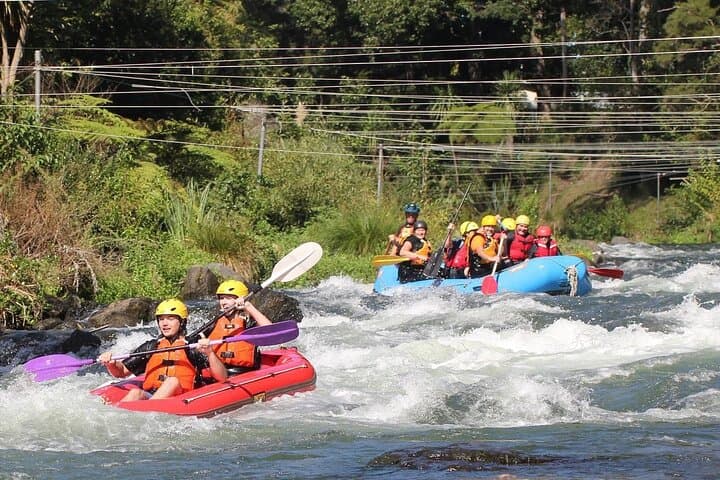
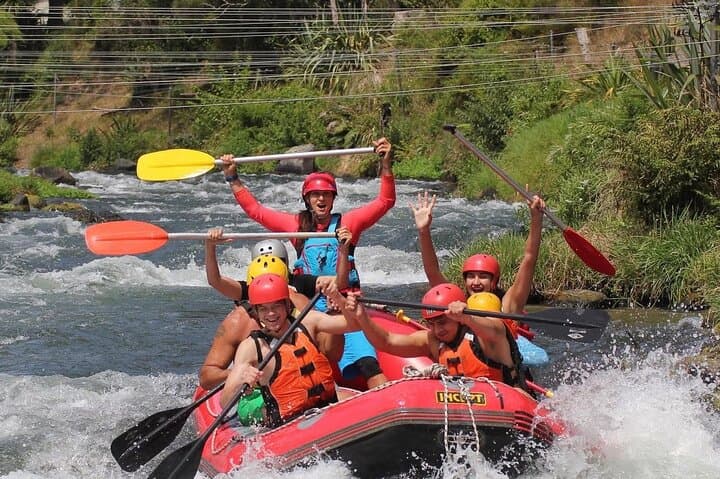
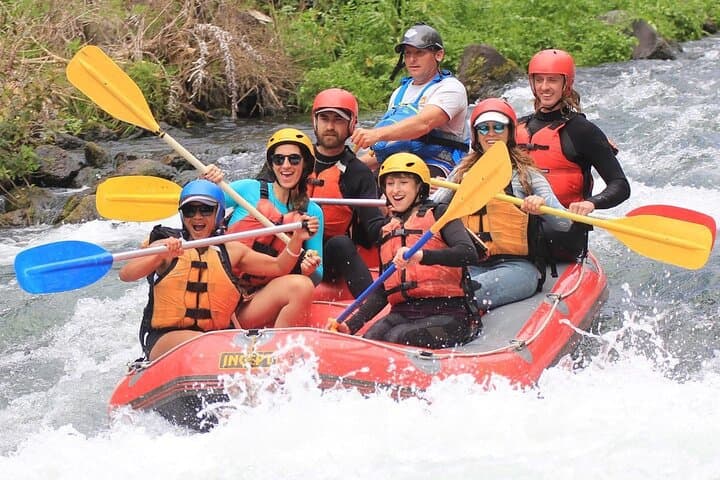
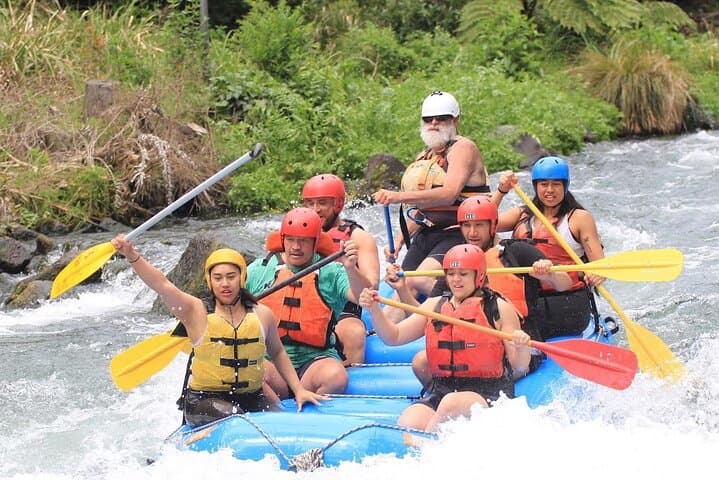
The first time the Tarawera River takes your raft, it feels deliberate — a clear, cold ribbon that pushes against the hull and dares you forward. You step into a neoprene world of bright helmets and guide calls; native forest leans close to the banks and sunlight slices the water into glassy blue. Within minutes the river changes its mood: playful, then insistent, carrying your crew through a sequence of grade 2–3 rapids that are friendly enough for beginners yet lively enough to make seasoned rafters grin.
The first time the Tarawera River takes your raft, it feels deliberate — a clear, cold ribbon that pushes against the hull and dares you forward. You step into a neoprene world of bright helmets and guide calls; native forest leans close to the banks and sunlight slices the water into glassy blue. Within minutes the river changes its mood: playful, then insistent, carrying your crew through a sequence of grade 2–3 rapids that are friendly enough for beginners yet lively enough to make seasoned rafters grin.
This stretch of the Tarawera threads through landscapes shaped by fire and flood. The river drains Lake Tarawera and cuts through pumice fields laid down in the 1886 eruption of Mount Tarawera, so the riverbed alternates between smooth basalt shelf and soft, eroded pumice banks. Māori history is present in guide stories — ancestors who navigated these waters and oral accounts that tie local wahi tapu (sacred places) to the river's bend — adding context to the whitewater and the trees watching from shore.
Guides at Tarawera Raft Park mix clear instruction with local insight. Expect safety briefings, coached paddle strokes, and an invitation to jump from a rock or test a rope swing where the river settles into a cool swimming pool. The rapids are technical enough to teach teamwork: timing your strokes, leaning into eddies, and trusting the person calling commands from the front of the raft. Wetsuits, helmets and lifejackets are provided, and the operator emphasizes low-impact practices — pack out what you brought, avoid trampling fragile bank plants, and follow instructions to protect nesting birds.
Practicalities: the standard outing runs roughly two hours, with about 45–60 minutes on the water. It's rated Grade 2–3: suitable for families and first-timers but expect splashes and active paddling. No advanced whitewater skills required; swimming ability and basic mobility are enough. Wear a swimsuit under the wetsuit, secure footwear like river sandals or old trainers, and bring a towel and warm layer for after the trip. Hydration is essential on sunny days; the river can cool you quickly post-dip, so plan for a warm change of clothes.
Timing matters: mornings can be glassy and quieter on the banks; later departures bring more groups and livelier energy. Photography is best from the shoreline eddies or the lower put-in where the river opens; waterproof housings capture the action on the raft.
For travelers based in Rotorua, the Tarawera trip is a compact pulse of New Zealand's volcanic geology, living Māori narratives, and approachable whitewater — a two-hour adventure that leaves you wetter, smiling, and with a fresh respect for a river that still shapes the land and stories around it.