THE ADVENTURE COLLECTIVE® · Independent discovery and booking for outdoor travel

A compact three-day safari from Arusha that links Tarangire’s elephant herds, the breathing floor of Ngorongoro Crater, and the bird-rich shores of Lake Manyara. Expect full days of game drives, early starts, and vivid wildlife encounters.
A compact three-day safari from Arusha that links Tarangire’s elephant herds, the breathing floor of Ngorongoro Crater, and the bird-rich shores of Lake Manyara. Expect full days of game drives, early starts, and vivid wildlife encounters.
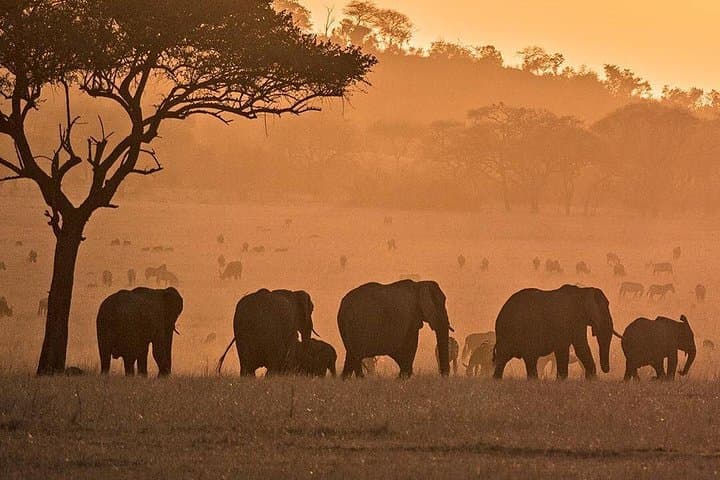
The Land Cruiser hums into dawn as acacia silhouettes sharpen against an orange sky. Dust rises in the wake of elephants moving along a dry riverbed in Tarangire, then shifts to the hush of the Ngorongoro rim where a broad caldera drops away like a collapsed world. By the third day, Lake Manyara’s shallow waters flash pink with flamingos while tree-climbing lions laze in low branches—each scene a different pulse of northern Tanzania.
Verified experiences and guided adventures in the surrounding area.
Operated by safari soles tours · Arusha, Arusha Region
The Land Cruiser hums into dawn as acacia silhouettes sharpen against an orange sky. Dust rises in the wake of elephants moving along a dry riverbed in Tarangire, then shifts to the hush of the Ngorongoro rim where a broad caldera drops away like a collapsed world. By the third day, Lake Manyara’s shallow waters flash pink with flamingos while tree-climbing lions laze in low branches—each scene a different pulse of northern Tanzania.
Geology and history are on show: Ngorongoro is an intact volcanic caldera carved by a billion-year-old upheaval and now holding its own micro-ecosystem. Tarangire’s baobab-studded plains give way to seasonal river corridors that concentrate wildlife in the dry months. Manyara sits on the rift escarpment, its alkaline lake drawing migratory birds and supporting hippos in crowded pools.
Local culture threads through the trip. Maasai communities border these parks; many drivers and guides are Maasai or speak regularly with village hosts, and conservation fees help fund communal projects.
Practically, this is a vehicle-led safari with early starts, full-day game drives, and short guided walks at designated spots. Expect dusty roads, frequent animal sightings, and campsite or lodge nights included. Bring layered clothing for cool mornings and strong sun by midday; carry water and motion-sickness remedies for bumpy tracks. Peak wildlife viewing occurs in the dry season (June–October) but birding and lush scenery shine after rains.
This three-day loop suits travelers who want concentrated wildlife viewing without long overland transfers—ideal for first-time safari-goers seeking a compact, high-return wilderness experience.
moderate.
3 days.
Suitable for average fitness; requires ability to sit in a vehicle for long periods and manage short walks at higher elevations
Shared tours usually limit vehicles to small groups (up to about six); private options may be available for additional cost.
Most organized tours include park entrance and crater fees—confirm on booking and carry photocopies of permits if provided.
Consult your travel clinic; malaria risk exists in northern Tanzania and routine travel vaccines plus malaria prevention are commonly recommended.
Children are allowed but policies vary by operator and vehicle; infants may be required to sit on laps and specialized seats may be available—check at booking.
Ngorongoro’s caldera formed from volcanic collapse and later sheltered ancient hominin sites (Olduvai Gorge lies nearby), linking geology to deep human history.
Parks rely on entrance fees and community partnerships; stick to roads, avoid littering, and support local guides to minimize impacts.
safari soles tours operates guided outdoor trips and adventures with an emphasis on safety, stewardship, and memorable experiences.
The Land Cruiser hums into dawn as acacia silhouettes sharpen against an orange sky. Dust rises in the wake of elephants moving along a dry riverbed in Tarangire, then shifts to the hush of the Ngorongoro rim where a broad caldera drops away like a collapsed world. By the third day, Lake Manyara’s shallow waters flash pink with flamingos while tree-climbing lions laze in low branches—each scene a different pulse of northern Tanzania.
The Land Cruiser hums into dawn as acacia silhouettes sharpen against an orange sky. Dust rises in the wake of elephants moving along a dry riverbed in Tarangire, then shifts to the hush of the Ngorongoro rim where a broad caldera drops away like a collapsed world. By the third day, Lake Manyara’s shallow waters flash pink with flamingos while tree-climbing lions laze in low branches—each scene a different pulse of northern Tanzania.
Geology and history are on show: Ngorongoro is an intact volcanic caldera carved by a billion-year-old upheaval and now holding its own micro-ecosystem. Tarangire’s baobab-studded plains give way to seasonal river corridors that concentrate wildlife in the dry months. Manyara sits on the rift escarpment, its alkaline lake drawing migratory birds and supporting hippos in crowded pools.
Local culture threads through the trip. Maasai communities border these parks; many drivers and guides are Maasai or speak regularly with village hosts, and conservation fees help fund communal projects.
Practically, this is a vehicle-led safari with early starts, full-day game drives, and short guided walks at designated spots. Expect dusty roads, frequent animal sightings, and campsite or lodge nights included. Bring layered clothing for cool mornings and strong sun by midday; carry water and motion-sickness remedies for bumpy tracks. Peak wildlife viewing occurs in the dry season (June–October) but birding and lush scenery shine after rains.
This three-day loop suits travelers who want concentrated wildlife viewing without long overland transfers—ideal for first-time safari-goers seeking a compact, high-return wilderness experience.