THE ADVENTURE COLLECTIVE® · Independent discovery and booking for outdoor travel

Watch vast herds of elephants gather along the Tarangire River on a multi-day safari circuit that pairs reliable wildlife viewing with cultural and geological context. This trip focuses on close, respectful encounters with elephants and the seasonal systems that sustain them.
Watch vast herds of elephants gather along the Tarangire River on a multi-day safari circuit that pairs reliable wildlife viewing with cultural and geological context. This trip focuses on close, respectful encounters with elephants and the seasonal systems that sustain them.
A dust-scented road opens onto a wide plain where elephants move like slow weather—columns of grey bodies threading baobabs and acacia, pausing at the river to drink. Early light slides across the Tarangire River while guides scan the horizon; the park’s heat hangs in the branches, and birds call from the canopy.
Verified experiences and guided adventures in the surrounding area.
Operated by Guide Private · Tarangire National Park, Manyara Region
A dust-scented road opens onto a wide plain where elephants move like slow weather—columns of grey bodies threading baobabs and acacia, pausing at the river to drink. Early light slides across the Tarangire River while guides scan the horizon; the park’s heat hangs in the branches, and birds call from the canopy.
Tarangire National Park protects a mosaic of floodplain, riverine forest and savanna in northern Tanzania, created to safeguard seasonal wildlife concentrations and ancient migration routes (park status formalized in the 1970s). Geologically, the park sits on relatively flat rift-valley fringe soils with an elevation roughly 900–1,200 m, shaping the seasonal wetlands that attract large herds. Culturally, Maasai communities share the landscape’s edges; you’ll notice traditional bomas and grazing cattle in nearby villages.
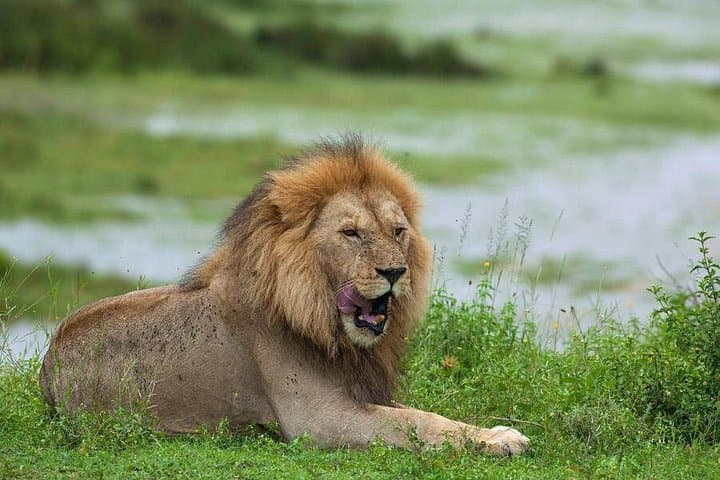
On a multi-day circuit from Arusha or Moshi, expect long game drives focused on elephants, giraffes, antelope and the occasional lion. Drives follow established tracks; sightings concentrate near river margins and the Silale Swamp during dry months. Guides provide context—animal behavior, spoor, and the park’s role in regional conservation.
Practical guidance: pack layered clothing for cool mornings and hot afternoons, bring binoculars and a camera with a decent zoom, and carry water—roads can be dusty and bumpy. Respect park rules: stay in the vehicle except at designated areas, keep noise low, and give wildlife space. Booking typically includes park transfers, meals and overnight options at nearby camps. For first-time safaris, the Tarangire circuit delivers reliably high elephant densities and a compact, accessible introduction to East African wildlife.
easy.
4 days.
Low fitness required for game drives; comfortable sitting tolerance for long vehicle days is helpful
Guides maintain safe viewing distances; vehicles can approach within a few dozen meters depending on behavior, but never within a distance that disturbs the animals.
Yes—game drives are vehicle-based and the tour listing notes wheelchair accessibility and suitability for varied fitness levels; confirm vehicle and camp accessibility when booking.
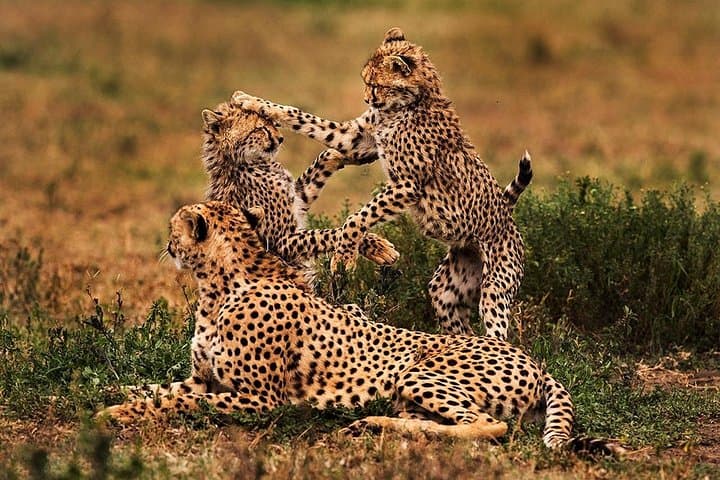
Tarangire is best known for high densities of African elephants, as well as giraffe, plains antelope, buffalo and a variety of birdlife; predators are present but sightings are less predictable.
Standard travel vaccines and malaria prevention are advised for Tanzania; passports and park entry fees are handled by the operator—confirm visa requirements for your nationality before travel.
Tarangire was designated a national park in the 1970s to protect seasonal migration routes and the unique riverine ecosystems that concentrate wildlife.
Seasonal water availability and human-wildlife coexistence are central concerns—visitors should stick to roads, avoid littering, and support operators who invest in local conservation and community benefits.
Guide Private operates guided outdoor trips and adventures with an emphasis on safety, stewardship, and memorable experiences.
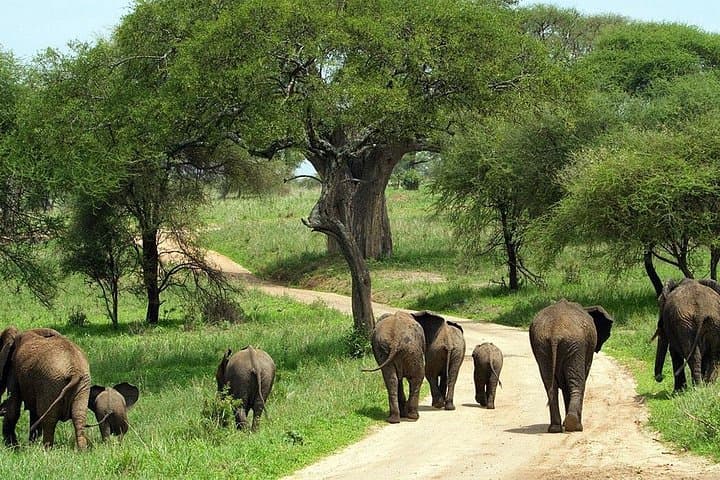
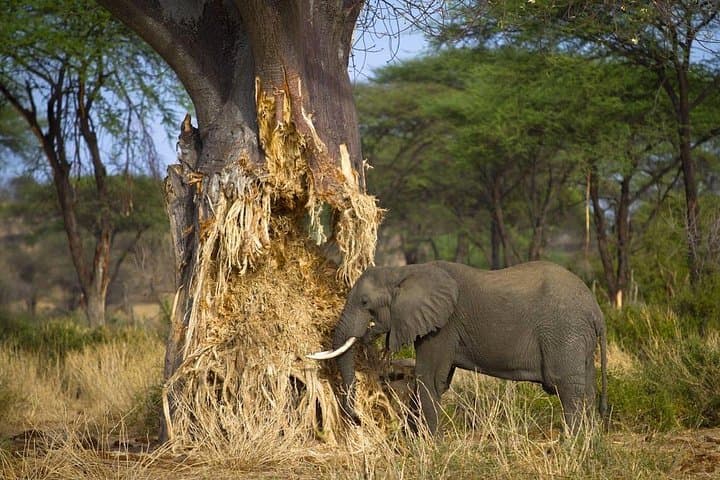
A dust-scented road opens onto a wide plain where elephants move like slow weather—columns of grey bodies threading baobabs and acacia, pausing at the river to drink. Early light slides across the Tarangire River while guides scan the horizon; the park’s heat hangs in the branches, and birds call from the canopy.
A dust-scented road opens onto a wide plain where elephants move like slow weather—columns of grey bodies threading baobabs and acacia, pausing at the river to drink. Early light slides across the Tarangire River while guides scan the horizon; the park’s heat hangs in the branches, and birds call from the canopy.
Tarangire National Park protects a mosaic of floodplain, riverine forest and savanna in northern Tanzania, created to safeguard seasonal wildlife concentrations and ancient migration routes (park status formalized in the 1970s). Geologically, the park sits on relatively flat rift-valley fringe soils with an elevation roughly 900–1,200 m, shaping the seasonal wetlands that attract large herds. Culturally, Maasai communities share the landscape’s edges; you’ll notice traditional bomas and grazing cattle in nearby villages.
On a multi-day circuit from Arusha or Moshi, expect long game drives focused on elephants, giraffes, antelope and the occasional lion. Drives follow established tracks; sightings concentrate near river margins and the Silale Swamp during dry months. Guides provide context—animal behavior, spoor, and the park’s role in regional conservation.
Practical guidance: pack layered clothing for cool mornings and hot afternoons, bring binoculars and a camera with a decent zoom, and carry water—roads can be dusty and bumpy. Respect park rules: stay in the vehicle except at designated areas, keep noise low, and give wildlife space. Booking typically includes park transfers, meals and overnight options at nearby camps. For first-time safaris, the Tarangire circuit delivers reliably high elephant densities and a compact, accessible introduction to East African wildlife.