THE ADVENTURE COLLECTIVE® · Independent discovery and booking for outdoor travel

Tarangire National Park is where baobabs watch vast herds of elephants and the river pulls wildlife into dramatic, close-range encounters. This full-day safari pairs raw scenery with reliable game viewing—ideal for photographers and first-time safari-goers.
Tarangire National Park is where baobabs watch vast herds of elephants and the river pulls wildlife into dramatic, close-range encounters. This full-day safari pairs raw scenery with reliable game viewing—ideal for photographers and first-time safari-goers.
Dawn in Tarangire arrives like a slow exhale: light slips between giant baobabs, dust rises from the track, and trunks of elephants move through golden grass as if the plain itself is shifting. The Tarangire River cuts a ribbon through this park, drawing animals into concentrated corridors where lions, herds, and plains antelope meet the water’s edge.
Verified experiences and guided adventures in the surrounding area.
Operated by Kilimanjaro And Beyond Expeditions · Arusha, Manyara Region
Dawn in Tarangire arrives like a slow exhale: light slips between giant baobabs, dust rises from the track, and trunks of elephants move through golden grass as if the plain itself is shifting. The Tarangire River cuts a ribbon through this park, drawing animals into concentrated corridors where lions, herds, and plains antelope meet the water’s edge.
Established in 1970, Tarangire sits on the eastern escarpment of the East African Rift and displays geology of exposed volcanic soils, seasonal riverbeds and open woodlands dominated by Adansonia (baobab). The Maasai and other local communities have long used the surrounding landscape for grazing, and cultural touches—scattered homesteads and livestock—remain visible from the main routes.
On a typical full-day game drive visitors depart early from Arusha or Moshi in a 4x4, collect park permits at the gate, and follow the river and grassy plains. Wildlife viewing peaks in the dry season when animals concentrate at permanent water; in wetter months expect broader birdlife and more dispersed herds. Guides read spoor and water patterns to position vehicles for quiet observation rather than chases.
Practicalities: bring binoculars, sun protection, and a refillable bottle; vehicles will provide bottled water and a picnic lunch on most day tours. Expect a long day—rough roads and dusty conditions—so wear sturdy shoes and layered clothing. Photographers should plan for harsh midday light; sunrise and late afternoon yield the best color and animal activity. Respect speed limits, keep windows partly closed around dust, and follow your guide’s instructions to minimize disturbance to wildlife.
easy.
10 hours.
Suitable for most fitness levels; involves long periods in a vehicle with short walks at picnic stops—be comfortable entering/exiting a 4x4.
The dry season (June–October) concentrates wildlife around the Tarangire River for the best large mammal viewing; shoulder months can offer good sightings with fewer crowds.
Most full-day tours are about 10 hours door-to-door, including hotel pickup, park time, and return transfer to Arusha or Moshi.
Many tour packages include national park fees and a picnic lunch or boxed lunch; always confirm inclusions when booking.
Tarangire has one of the highest elephant densities and regular lion sightings, but wildlife sightings can never be guaranteed—seasonality and water availability affect animal locations.
Tarangire was designated a national park in 1970 to protect its riverine system and seasonal grazing lands for migratory wildlife.
Ranching and community grazing around park boundaries make buffer-zone management critical; support certified operators who fund local conservation and community programs.
Kilimanjaro And Beyond Expeditions operates guided outdoor trips and adventures with an emphasis on safety, stewardship, and memorable experiences.
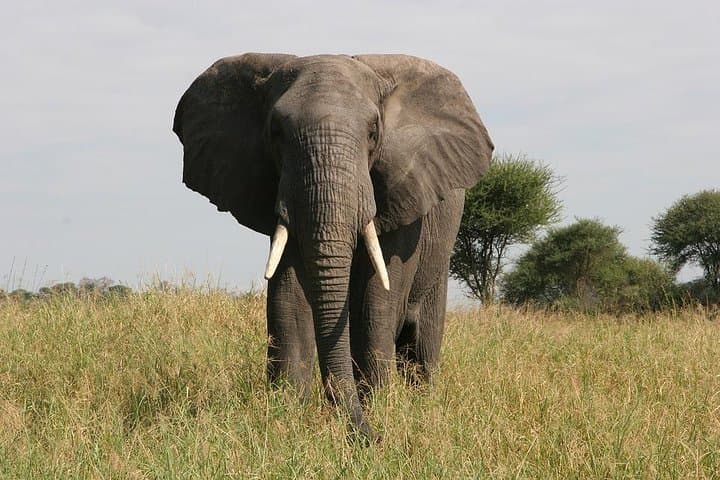
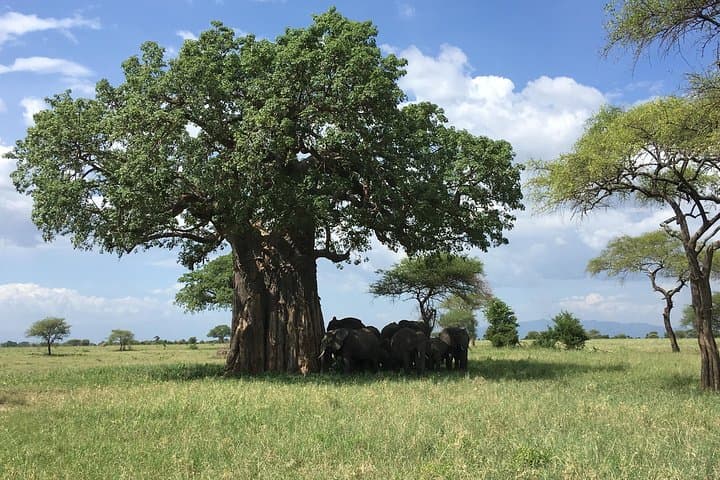
Dawn in Tarangire arrives like a slow exhale: light slips between giant baobabs, dust rises from the track, and trunks of elephants move through golden grass as if the plain itself is shifting. The Tarangire River cuts a ribbon through this park, drawing animals into concentrated corridors where lions, herds, and plains antelope meet the water’s edge.
Dawn in Tarangire arrives like a slow exhale: light slips between giant baobabs, dust rises from the track, and trunks of elephants move through golden grass as if the plain itself is shifting. The Tarangire River cuts a ribbon through this park, drawing animals into concentrated corridors where lions, herds, and plains antelope meet the water’s edge.
Established in 1970, Tarangire sits on the eastern escarpment of the East African Rift and displays geology of exposed volcanic soils, seasonal riverbeds and open woodlands dominated by Adansonia (baobab). The Maasai and other local communities have long used the surrounding landscape for grazing, and cultural touches—scattered homesteads and livestock—remain visible from the main routes.
On a typical full-day game drive visitors depart early from Arusha or Moshi in a 4x4, collect park permits at the gate, and follow the river and grassy plains. Wildlife viewing peaks in the dry season when animals concentrate at permanent water; in wetter months expect broader birdlife and more dispersed herds. Guides read spoor and water patterns to position vehicles for quiet observation rather than chases.
Practicalities: bring binoculars, sun protection, and a refillable bottle; vehicles will provide bottled water and a picnic lunch on most day tours. Expect a long day—rough roads and dusty conditions—so wear sturdy shoes and layered clothing. Photographers should plan for harsh midday light; sunrise and late afternoon yield the best color and animal activity. Respect speed limits, keep windows partly closed around dust, and follow your guide’s instructions to minimize disturbance to wildlife.