THE ADVENTURE COLLECTIVE® · Independent discovery and booking for outdoor travel

A full-day private safari from Arusha into Tarangire National Park takes you into baobab-studded grasslands with the highest elephant concentrations in northern Tanzania. Expect long drives, expert local guides and focused game drives timed to animal behavior.
A full-day private safari from Arusha into Tarangire National Park takes you into baobab-studded grasslands with the highest elephant concentrations in northern Tanzania. Expect long drives, expert local guides and focused game drives timed to animal behavior.
You pull away from Arusha before dawn, headlamps dimming as the road gives way to wide plains and a skyline punctured by the hulking silhouettes of baobab trees.
Verified experiences and guided adventures in the surrounding area.
Operated by Destination Specialists Limited · Arusha, Manyara Region
You pull away from Arusha before dawn, headlamps dimming as the road gives way to wide plains and a skyline punctured by the hulking silhouettes of baobab trees.
Tarangire sits east of the Rift Valley and feels older than the routes that bring you here: volcanic soils and seasonal river channels carve a landscape where grasses harden under the dry-season sun and green up suddenly with the rains. The park’s geology is gentle—rolling plains, low ridges and the Tarangire River that stitches a reliable water source through the dry months, drawing elephants in concentrations that are unmatched in northern Tanzania.
Culturally, the area skirts Maasai grazing lands; herding and seasonal movement shape how people and wildlife coexist on this land. Historically Tarangire was protected in the mid-20th century as pastoralism and wildlife pressures intensified, and today it balances tourism with community grazing corridors.
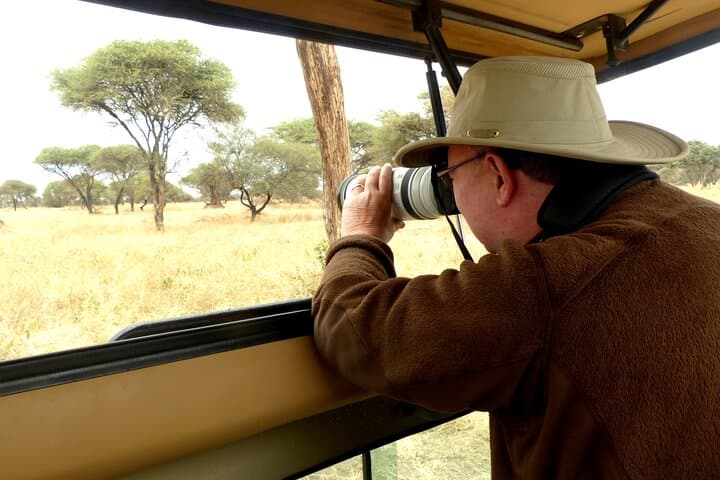
On a guided day trip you can expect focused game drives—mid-morning and afternoon runs—aimed at matching animal activity and seasonal patterns. Guides use local knowledge to time sightings around watering holes and shade trees. Bring practical expectations: road dust, bumpy tracks and long stretches between facilities.
Practical guidance: leave early to beat heat and midday inactivity, carry layered sun protection, binoculars and at least 2 liters of water, and plan for a 3-hour drive each way from Arusha. Respect park rules—stay in the vehicle during sightings and follow your guide’s cues. A private tour gives flexibility to prioritize elephants, big cats or birds, but weather and animal movements dictate what you’ll see; patience pays off more than a rigid checklist.
moderate.
9–10 hours.
Moderate fitness: able to handle several hours in a vehicle plus short walks at picnic sites and uneven surfaces.
Expect about 3 hours each way depending on traffic and road conditions; your itinerary lists a 9–10 hour total tour including transfers.
The tour lists transport, bottled water, packed lunch and parking fees as included; confirm whether park entry and conservation fees are covered when booking.
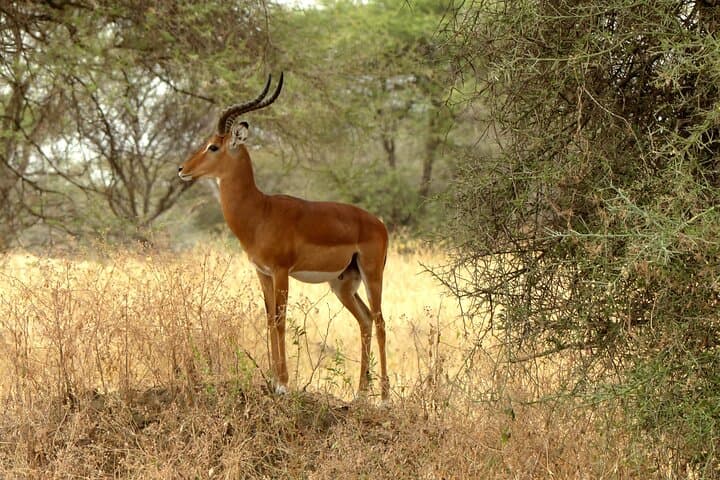
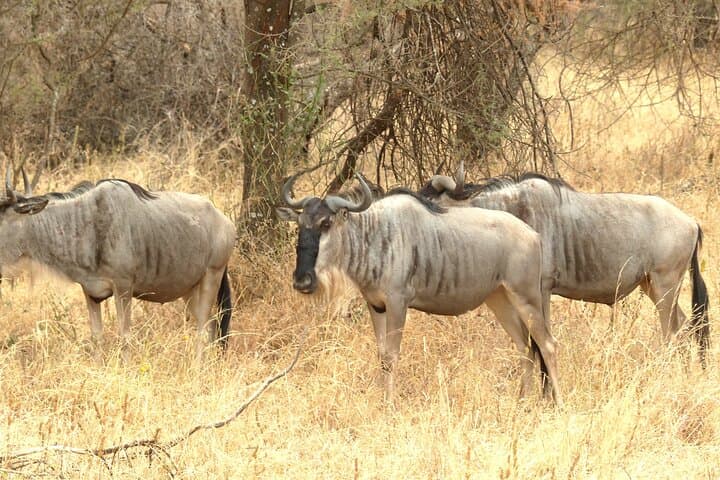
Tarangire is known for large elephant herds, plus giraffes, zebras, buffalo, lions, leopards, wildebeest, various antelope species and over 400 bird species; sightings depend on season and movement.
The tour notes wheelchair accessibility for vehicles and facilities, but accessibility of game-viewing terrain can be limited—check specifics with the operator before booking.
Tarangire was designated a protected area in the 1950s and expanded to conserve seasonal migration routes and the riverine habitat that supports large elephant populations.
Tourism revenue supports park management and community programs, but maintaining migration corridors and managing grazing pressure remain ongoing conservation priorities.
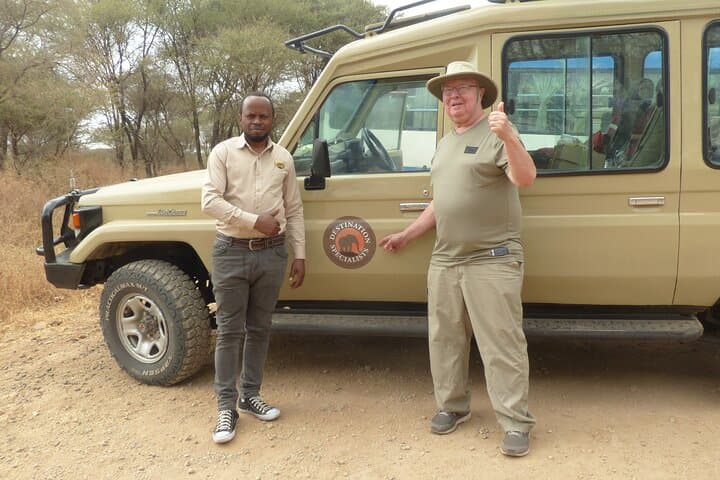
Destination Specialists Limited operates guided outdoor trips and adventures with an emphasis on safety, stewardship, and memorable experiences.
You pull away from Arusha before dawn, headlamps dimming as the road gives way to wide plains and a skyline punctured by the hulking silhouettes of baobab trees.
You pull away from Arusha before dawn, headlamps dimming as the road gives way to wide plains and a skyline punctured by the hulking silhouettes of baobab trees.
Tarangire sits east of the Rift Valley and feels older than the routes that bring you here: volcanic soils and seasonal river channels carve a landscape where grasses harden under the dry-season sun and green up suddenly with the rains. The park’s geology is gentle—rolling plains, low ridges and the Tarangire River that stitches a reliable water source through the dry months, drawing elephants in concentrations that are unmatched in northern Tanzania.
Culturally, the area skirts Maasai grazing lands; herding and seasonal movement shape how people and wildlife coexist on this land. Historically Tarangire was protected in the mid-20th century as pastoralism and wildlife pressures intensified, and today it balances tourism with community grazing corridors.
On a guided day trip you can expect focused game drives—mid-morning and afternoon runs—aimed at matching animal activity and seasonal patterns. Guides use local knowledge to time sightings around watering holes and shade trees. Bring practical expectations: road dust, bumpy tracks and long stretches between facilities.
Practical guidance: leave early to beat heat and midday inactivity, carry layered sun protection, binoculars and at least 2 liters of water, and plan for a 3-hour drive each way from Arusha. Respect park rules—stay in the vehicle during sightings and follow your guide’s cues. A private tour gives flexibility to prioritize elephants, big cats or birds, but weather and animal movements dictate what you’ll see; patience pays off more than a rigid checklist.