THE ADVENTURE COLLECTIVE® · Independent discovery and booking for outdoor travel

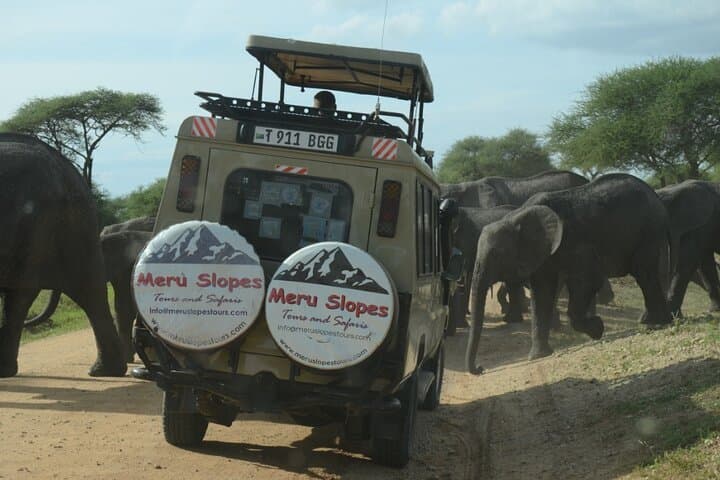
A private day safari from Arusha into Tarangire delivers sustained elephant encounters, baobab-studded scenery, and riverside game concentrations, especially during the dry season. This eight-hour vehicle-based tour is ideal for travelers seeking reliable wildlife viewing without overnight logistics.
A private day safari from Arusha into Tarangire delivers sustained elephant encounters, baobab-studded scenery, and riverside game concentrations, especially during the dry season. This eight-hour vehicle-based tour is ideal for travelers seeking reliable wildlife viewing without overnight logistics.
You roll out of Arusha before dawn and the road unspools through patchwork farms toward open savanna. By midmorning the Tarangire River is visible like a dark ribbon through grass; it pulls life toward it and the first herds are already moving, a slow, deliberate tide of elephants and zebra.
Verified experiences and guided adventures in the surrounding area.
Operated by MERU SLOPES TOURS AND SAFARIS · Arusha, Manyara
You roll out of Arusha before dawn and the road unspools through patchwork farms toward open savanna. By midmorning the Tarangire River is visible like a dark ribbon through grass; it pulls life toward it and the first herds are already moving, a slow, deliberate tide of elephants and zebra.
Tarangire is geologically recent—broad plains cut by seasonal rivers and the permanent Tarangire River—and culturally linked to the Maasai pastoralists who graze lands around the park. The area was once frequented by big-game hunters; after national-park protections in the 1970s the landscape shifted from hunting grounds to wildlife refuge, and today Tarangire holds the highest elephant density in northern Tanzania, with some herds numbering in the hundreds.
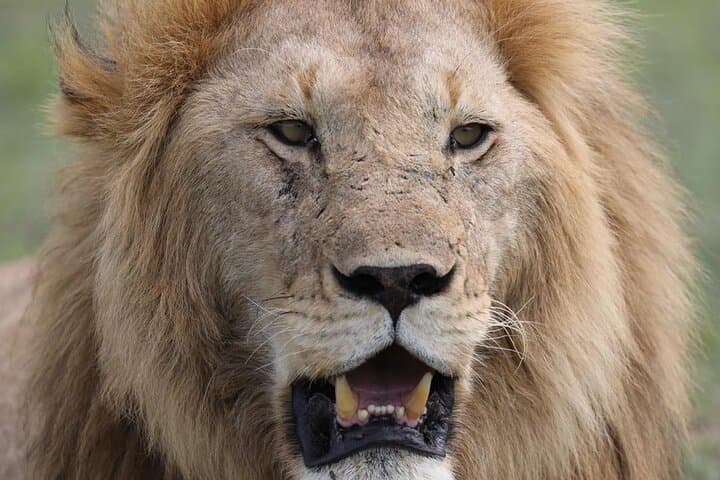
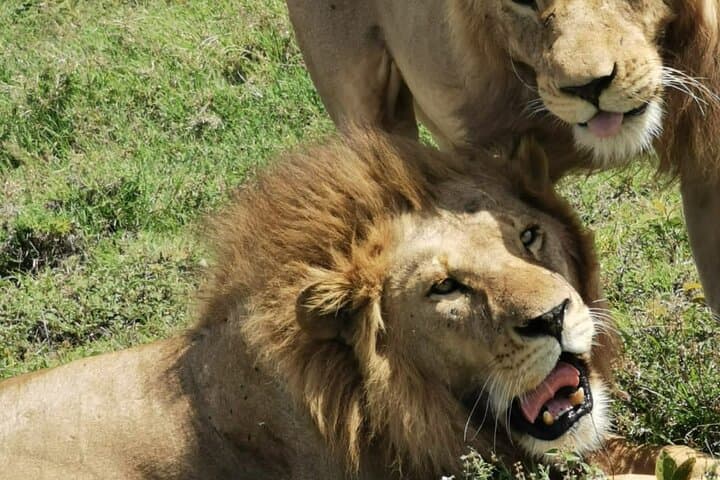
Vegetation swings from open savanna to baobab-dotted stands and seasonal marshes that define animal movements. Birdlife is prolific; raptors ride afternoon thermals while storks patrol the floodplain. Predators are present but dispersed—sightings are less guaranteed than elephant encounters.
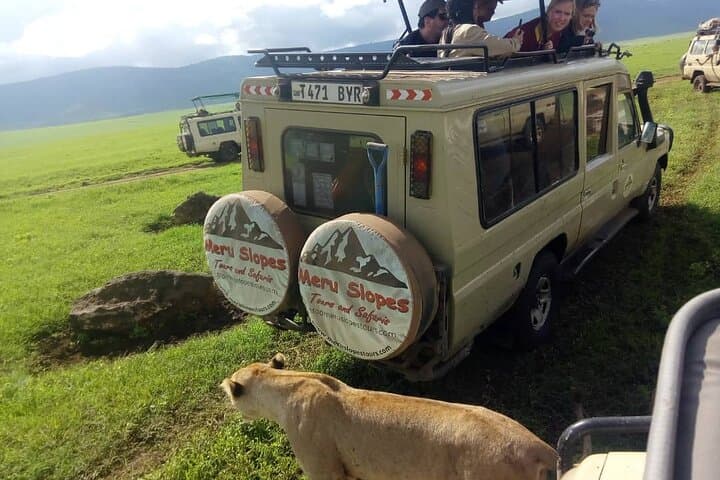
Practical guidance: this is a private 8-hour game drive accessed by 2–3 hour road transfer from Arusha in a 4x4; expect bumpy dirt roads and short walks at viewpoints. Best wildlife concentrations are during the dry months (July–October) when animals gather at water. Bring binoculars, layered sun protection, insect repellent, and a charged camera; bottled water and lunch are provided on the tour. Limit disturbance: stay in the vehicle unless your guide indicates otherwise, and follow park rules. With steady light and patient watching, Tarangire delivers immersive, close-range encounters with some of East Africa’s most iconic species.
easy.
8 hours.
Minimal fitness required; you should be able to board a safari vehicle and manage short walks at stops.
Expect a 2–3 hour road transfer each way depending on traffic and the exact pickup point in Arusha.
Yes—Tarangire has the highest elephant density in northern Tanzania and year-round sightings are common, sometimes in very large herds.
Yes; the tour includes bottled water and lunch as listed in the inclusions.
The tour is vehicle-based and suitable for many mobility levels, but it is not recommended for travelers with serious spinal injuries or certain cardiovascular conditions; check the booking requirements.
The region shifted from colonial-era big-game hunting to protected parkland after the 1970s; Tarangire now prioritizes conservation and community-managed grazing buffers.
Park management works with local Maasai communities to balance grazing and wildlife corridors; visitors should stick to roads and avoid littering to reduce disturbance.
MERU SLOPES TOURS AND SAFARIS operates guided outdoor trips and adventures with an emphasis on safety, stewardship, and memorable experiences.
You roll out of Arusha before dawn and the road unspools through patchwork farms toward open savanna. By midmorning the Tarangire River is visible like a dark ribbon through grass; it pulls life toward it and the first herds are already moving, a slow, deliberate tide of elephants and zebra.
You roll out of Arusha before dawn and the road unspools through patchwork farms toward open savanna. By midmorning the Tarangire River is visible like a dark ribbon through grass; it pulls life toward it and the first herds are already moving, a slow, deliberate tide of elephants and zebra.
Tarangire is geologically recent—broad plains cut by seasonal rivers and the permanent Tarangire River—and culturally linked to the Maasai pastoralists who graze lands around the park. The area was once frequented by big-game hunters; after national-park protections in the 1970s the landscape shifted from hunting grounds to wildlife refuge, and today Tarangire holds the highest elephant density in northern Tanzania, with some herds numbering in the hundreds.
Vegetation swings from open savanna to baobab-dotted stands and seasonal marshes that define animal movements. Birdlife is prolific; raptors ride afternoon thermals while storks patrol the floodplain. Predators are present but dispersed—sightings are less guaranteed than elephant encounters.
Practical guidance: this is a private 8-hour game drive accessed by 2–3 hour road transfer from Arusha in a 4x4; expect bumpy dirt roads and short walks at viewpoints. Best wildlife concentrations are during the dry months (July–October) when animals gather at water. Bring binoculars, layered sun protection, insect repellent, and a charged camera; bottled water and lunch are provided on the tour. Limit disturbance: stay in the vehicle unless your guide indicates otherwise, and follow park rules. With steady light and patient watching, Tarangire delivers immersive, close-range encounters with some of East Africa’s most iconic species.