THE ADVENTURE COLLECTIVE® · Independent discovery and booking for outdoor travel

A full-day safari from Arusha into Tarangire National Park where towering baobabs, large elephant families, and migrant birdlife concentrate around the Tarangire River. Ideal for travellers who want a high-value wildlife day without overnight logistics.
A full-day safari from Arusha into Tarangire National Park where towering baobabs, large elephant families, and migrant birdlife concentrate around the Tarangire River. Ideal for travellers who want a high-value wildlife day without overnight logistics.
The morning air on the road to Tarangire tastes of dust and expectation as the van slides away from Arusha and toward the wide, sunlit floor of the Rift Valley. Arrive at the park and baobabs rise like blunt monuments; acacia stands shade the tracks while the Tarangire River threads life through the plain. Elephants congregate where the water holds; birds wheel overhead on a highway between hemispheres.
Verified experiences and guided adventures in the surrounding area.
Operated by Karibu Heritage House Limited · Arusha, Manyara Region
The morning air on the road to Tarangire tastes of dust and expectation as the van slides away from Arusha and toward the wide, sunlit floor of the Rift Valley. Arrive at the park and baobabs rise like blunt monuments; acacia stands shade the tracks while the Tarangire River threads life through the plain. Elephants congregate where the water holds; birds wheel overhead on a highway between hemispheres.
Tarangire is geologically simple—low-lying hills on the Rift Valley floor and seasonal swamps to the south—yet ecologically rich. Formally protected in the 1970s, the park has long been a refuge for migratory birds and large herbivores. Culturally, communities around Tarangire are Maasai and pastoralist, and you’ll often see their traditional bomas at the edges of cultivated land.
On a typical day trip from Arusha or Moshi you’ll spend roughly nine hours in the park with picnic lunch provided, moving by vehicle between river bends and baobab groves. Expect open dirt tracks, occasional potholes, and long stretches of scrub—game viewing is vehicle-based and requires patience as wildlife moves with the water.
Practical notes: go early to catch predators at dawn, carry binoculars and sun protection, and keep a respectful distance from herds—elephants can be unpredictable. The dry season concentrates animals along the Tarangire River, making sightings almost guaranteed; the wet months bring lush vegetation and more birds but can make some roads boggy. Guides will usually handle permits and logistics; your job is to watch, listen, and stay ready with camera and water.
This day trip balances easy logistics with deep-field wildlife moments—an efficient, high-value safari that pairs short drives with long, attentive observation.
easy.
9 hours.
Minimal walking required; suitable for most fitness levels but expect long periods seated in a safari vehicle and occasional short walks.
Typical pickup from Arusha or Moshi is early morning and the drive to the park entrance takes about 1.5–2 hours depending on route and traffic.
Most day-trip packages include picnic lunch, bottled water and park entry fees; confirm inclusions at booking.
Guides will position the vehicle for sightings, but you must keep distance—approaching wildlife on foot is unsafe and restricted.
Yes, Tarangire is open year-round, but heavy rains can make some dirt tracks muddy or impassable; operators may alter routes accordingly.
Tarangire was gazetted as a protected area in the 1970s and has long served as a seasonal stronghold for migratory herbivores and birds following water sources.
Conservation focuses on protecting seasonal watercourses and reducing human-wildlife conflict with nearby pastoral communities; responsible tourism concentrates viewing from vehicles and supports park fees.
Karibu Heritage House Limited operates guided outdoor trips and adventures with an emphasis on safety, stewardship, and memorable experiences.
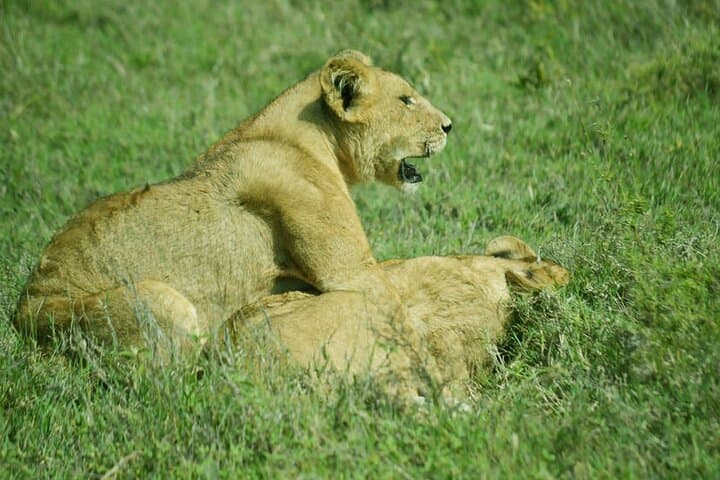
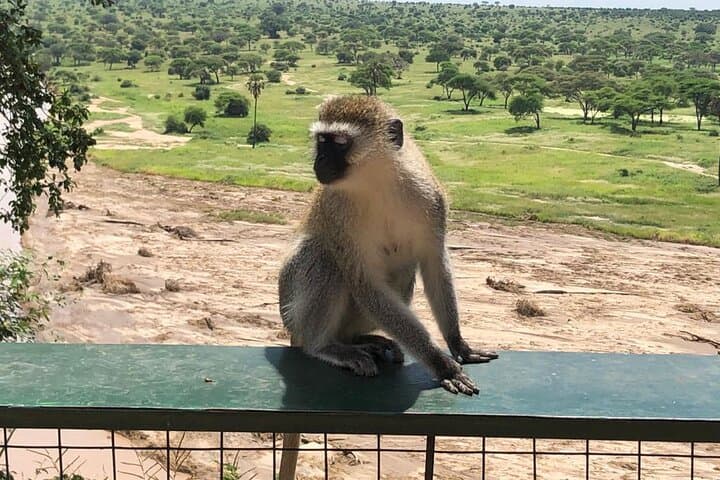
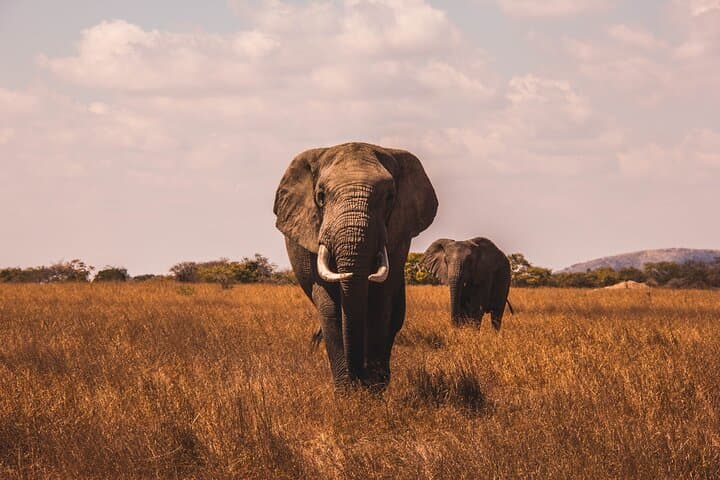
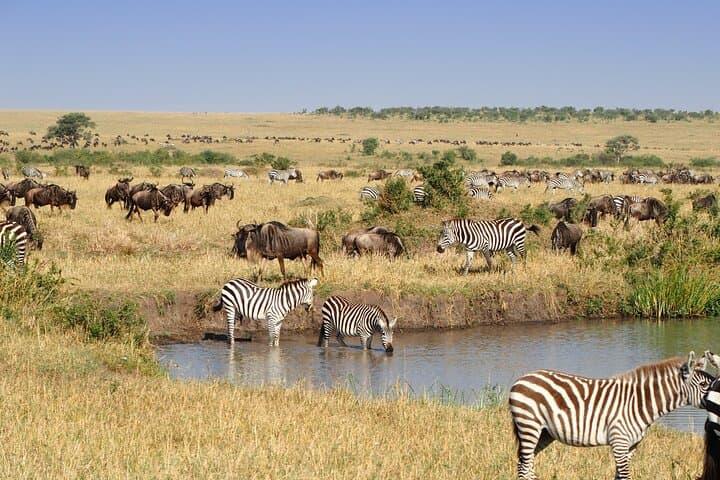
The morning air on the road to Tarangire tastes of dust and expectation as the van slides away from Arusha and toward the wide, sunlit floor of the Rift Valley. Arrive at the park and baobabs rise like blunt monuments; acacia stands shade the tracks while the Tarangire River threads life through the plain. Elephants congregate where the water holds; birds wheel overhead on a highway between hemispheres.
The morning air on the road to Tarangire tastes of dust and expectation as the van slides away from Arusha and toward the wide, sunlit floor of the Rift Valley. Arrive at the park and baobabs rise like blunt monuments; acacia stands shade the tracks while the Tarangire River threads life through the plain. Elephants congregate where the water holds; birds wheel overhead on a highway between hemispheres.
Tarangire is geologically simple—low-lying hills on the Rift Valley floor and seasonal swamps to the south—yet ecologically rich. Formally protected in the 1970s, the park has long been a refuge for migratory birds and large herbivores. Culturally, communities around Tarangire are Maasai and pastoralist, and you’ll often see their traditional bomas at the edges of cultivated land.
On a typical day trip from Arusha or Moshi you’ll spend roughly nine hours in the park with picnic lunch provided, moving by vehicle between river bends and baobab groves. Expect open dirt tracks, occasional potholes, and long stretches of scrub—game viewing is vehicle-based and requires patience as wildlife moves with the water.
Practical notes: go early to catch predators at dawn, carry binoculars and sun protection, and keep a respectful distance from herds—elephants can be unpredictable. The dry season concentrates animals along the Tarangire River, making sightings almost guaranteed; the wet months bring lush vegetation and more birds but can make some roads boggy. Guides will usually handle permits and logistics; your job is to watch, listen, and stay ready with camera and water.
This day trip balances easy logistics with deep-field wildlife moments—an efficient, high-value safari that pairs short drives with long, attentive observation.