THE ADVENTURE COLLECTIVE® · Independent discovery and booking for outdoor travel

Spend a full day in Tarangire National Park watching large herds of elephants gather around the river, scanning baobab-studded plains for lions, giraffe and hippo. This guided day trip from Arusha covers wildlife viewing, park fees, lunch and private transport.
Spend a full day in Tarangire National Park watching large herds of elephants gather around the river, scanning baobab-studded plains for lions, giraffe and hippo. This guided day trip from Arusha covers wildlife viewing, park fees, lunch and private transport.
The Land Rover hums away from Arusha before sunrise and the horizon goes soft gold; after two hours of rutted highway the baobabs come into view like ancient sentries and the Tarangire River, thin at first, insists you stop and look. Elephants gather where water lingers, calves testing trunks and elders insisting order. The afternoon game drive moves with patience—vehicles slipping through acacia and riverine woodland to catch lions perched in branches, giraffes picking at thorny crowns, and a distant hippo half-hidden in a seasonal pool.
Verified experiences and guided adventures in the surrounding area.
Operated by Livingstone Safari Tanzania · Arusha, Arusha Region
The Land Rover hums away from Arusha before sunrise and the horizon goes soft gold; after two hours of rutted highway the baobabs come into view like ancient sentries and the Tarangire River, thin at first, insists you stop and look. Elephants gather where water lingers, calves testing trunks and elders insisting order. The afternoon game drive moves with patience—vehicles slipping through acacia and riverine woodland to catch lions perched in branches, giraffes picking at thorny crowns, and a distant hippo half-hidden in a seasonal pool.
Tarangire’s landscape is shaped by a seasonal river system and old alluvial plains that attract wildlife in concentrated numbers during the dry months. Geologically it’s simple—fertile floodplains cut by the Tarangire; culturally the park sits within Maasai pastoral lands, and sightings are often paired with glimpses of herders and cattle paths beyond the park boundary. Tree-climbing lions and rock pythons are local curiosities that reward patient eyes.
Practically: expect a full 8–10 hour day with about 120 km of road each way from Arusha. The tour usually includes park fees, bottled water and a boxed lunch. Roads are rough; allow motion sickness buffers and bring binoculars and a camera with a good zoom. Dress in neutral colors, layer for early cool and midday heat, and carry sunscreen and insect repellent. Respect vehicle spacing, keep noise low and follow your guide’s directions—wildlife moves on its own timetable and the best sightings come from stillness and timing.
easy.
8–10 hours.
Suitable for most fitness levels; long periods sitting in a vehicle with short walks at viewing points
The drive is roughly 2 hours each way (about 120 km) depending on road conditions and exact pickup point.
Yes; this day tour typically includes park entrance fees, as noted in the inclusions.
While wildlife is never guaranteed, Tarangire is famous for reliably large elephant herds, especially in the dry season.
Yes—the tour is rated easy and suitable for most fitness levels; notify the operator about mobility needs at booking for vehicle arrangement.
Tarangire was designated a national park in 1970 to protect seasonal wildlife concentrations tied to the Tarangire River and the region’s unique baobab stands.
The park relies on buffer zones and community grazing agreements with Maasai communities; staying on roads and following guide rules reduces disturbance to wildlife.
Livingstone Safari Tanzania operates guided outdoor trips and adventures with an emphasis on safety, stewardship, and memorable experiences.
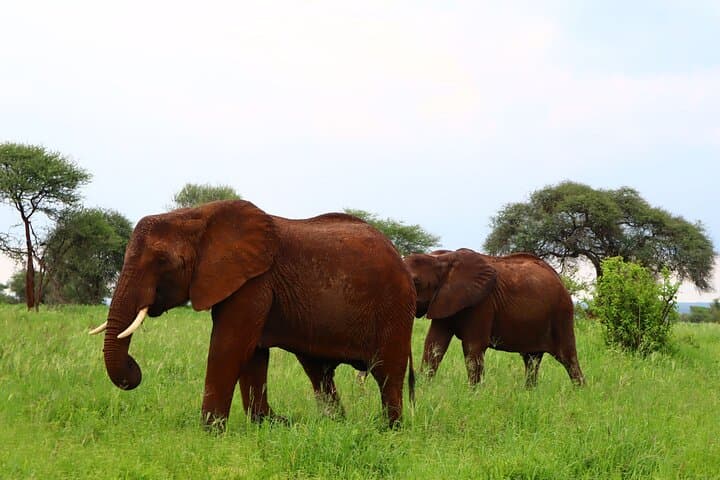
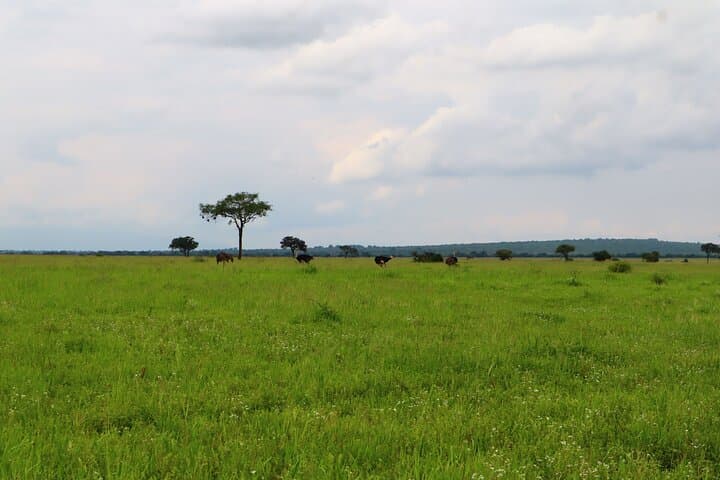
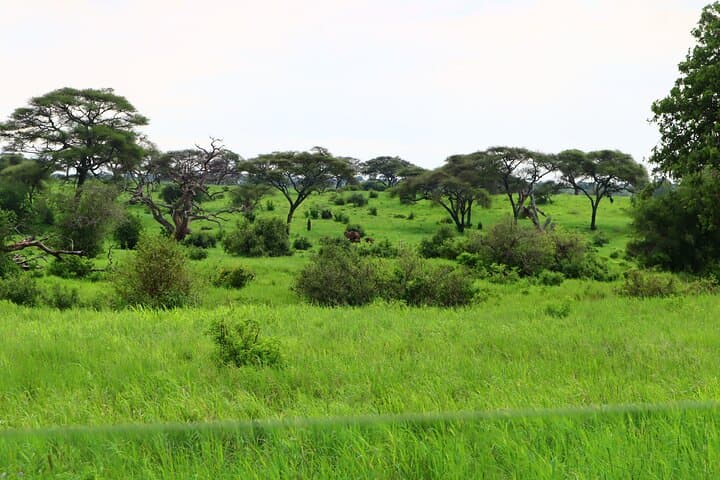
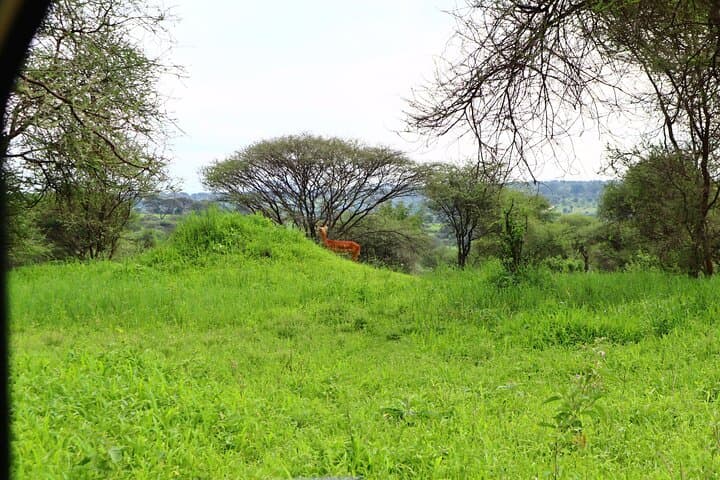
The Land Rover hums away from Arusha before sunrise and the horizon goes soft gold; after two hours of rutted highway the baobabs come into view like ancient sentries and the Tarangire River, thin at first, insists you stop and look. Elephants gather where water lingers, calves testing trunks and elders insisting order. The afternoon game drive moves with patience—vehicles slipping through acacia and riverine woodland to catch lions perched in branches, giraffes picking at thorny crowns, and a distant hippo half-hidden in a seasonal pool.
The Land Rover hums away from Arusha before sunrise and the horizon goes soft gold; after two hours of rutted highway the baobabs come into view like ancient sentries and the Tarangire River, thin at first, insists you stop and look. Elephants gather where water lingers, calves testing trunks and elders insisting order. The afternoon game drive moves with patience—vehicles slipping through acacia and riverine woodland to catch lions perched in branches, giraffes picking at thorny crowns, and a distant hippo half-hidden in a seasonal pool.
Tarangire’s landscape is shaped by a seasonal river system and old alluvial plains that attract wildlife in concentrated numbers during the dry months. Geologically it’s simple—fertile floodplains cut by the Tarangire; culturally the park sits within Maasai pastoral lands, and sightings are often paired with glimpses of herders and cattle paths beyond the park boundary. Tree-climbing lions and rock pythons are local curiosities that reward patient eyes.
Practically: expect a full 8–10 hour day with about 120 km of road each way from Arusha. The tour usually includes park fees, bottled water and a boxed lunch. Roads are rough; allow motion sickness buffers and bring binoculars and a camera with a good zoom. Dress in neutral colors, layer for early cool and midday heat, and carry sunscreen and insect repellent. Respect vehicle spacing, keep noise low and follow your guide’s directions—wildlife moves on its own timetable and the best sightings come from stillness and timing.